What to bring back from Madagascar: Madagascar and its array of items
Madagascar is known for its films, its white sandy beaches, its unique landscapes, and its people, who are the result of a distinctive genetic mix (a blend of Indonesian, Arab, Asian and European populations).
The population comprises several vibrant ethnic groups: over 10 dialects are spoken on a daily basis, and the country has its own traditional rituals and festivals with a distinct calendar.
Beyond its cultural attributes, the island also boasts a range of items that make it unique. These are fanciful items of clothing whose appearance carries strong symbolism and which are found only in Madagascar. They are worn by both men and women and are everyday items. They make up the perfect traditional Malagasy outfit and are recognised by the island’s inhabitants as typical clothing, suitable for both urban and rural populations. As the perfect artefact for expressing national pride, they are objects of traditional heritage, colonial heritage and cultural heritage. They can be found in many Malagasy homes and are used for festive occasions or in everyday life.
Jewellery, clothing, instruments, games – these items accompany the inhabitants of the Big Island, the Red Island, along the roads, through the forests, on the beaches, and in the towns. In this article, we take a look at these objects that symbolise Madagascar’s unique character, forming part of the island’s identity; objects of notable significance, the possession of which demonstrates a strong commitment to the island’s folklore.
Traditional bracelet
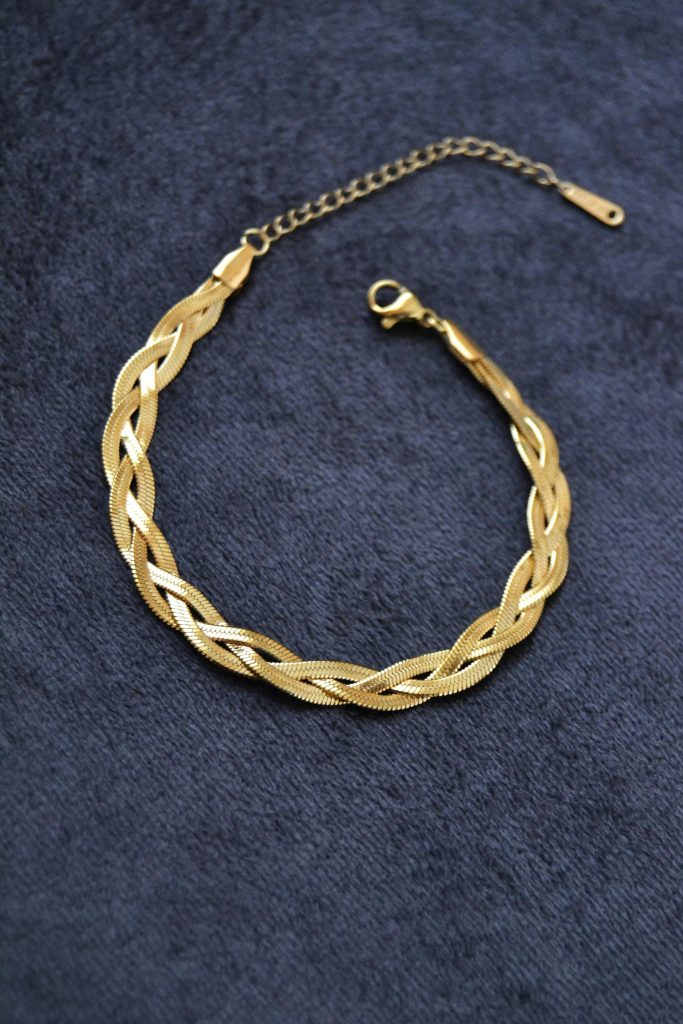 An item found on many men across the island, sometimes resembling a chain bracelet, sometimes a horseshoe, and very rarely a ring, the bracelet is a piece of jewellery commonly worn in Madagascar. Made of iron, silver, or occasionally gold, this object symbolises importance and strength.
Gold mining operations are found in central and southern Madagascar: the town of Ibity (near the town of Antsirabe), the district of Ikongo (near the town of Ambilobe), the town of Vohilava, the town of Ilakaka, and the area around the town of Toliara are all major mining sites. In these areas, mining is carried out using traditional methods. The gold nuggets produced are smelted for resale internationally or for sale on the local market.
Gold is the mineral that inspires the greatest enthusiasm; here on the island, it is the material most readily traded and used in craftsmanship. This noble metal, listed as number 79 on Mendeleev’s periodic table, is often the subject of political dealings that can sometimes reach the highest levels of government.
You can purchase a piece of this metal, featuring traditional Malagasy designs, from the island’s jewellers or in secure shops. If you’d like a traditional bracelet made of iron or steel, you can visit souvenir shops; with a bit of luck, you’ll find one to fit your wrist.
The Malagasy people love to wear this accessory; it is a symbol of victory and prosperity.
Straw hat
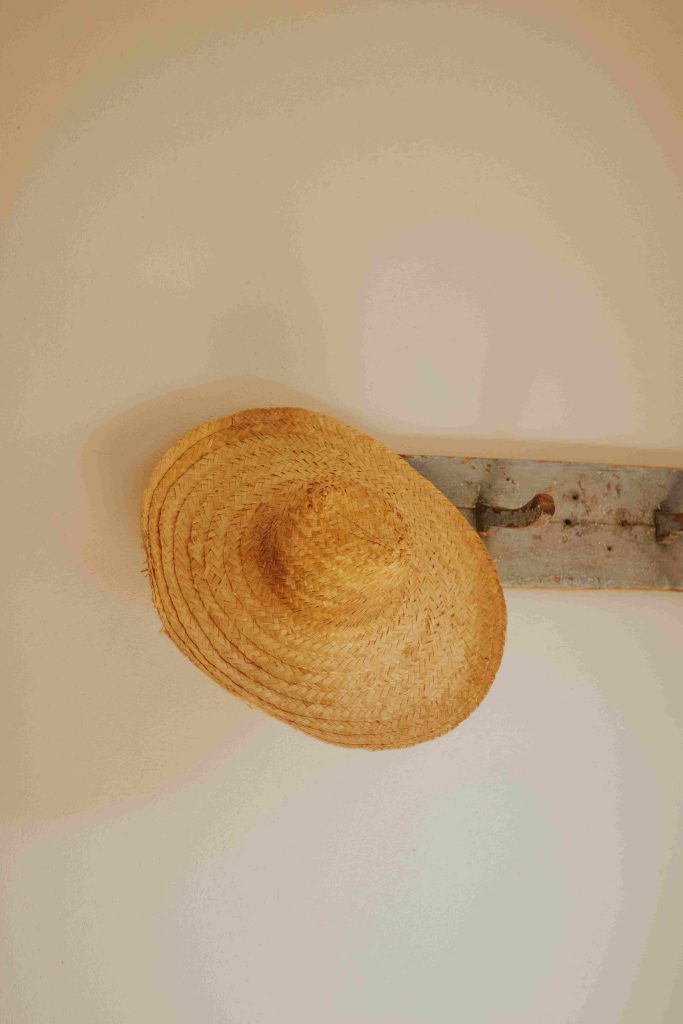 So commonplace that we hardly notice it anymore, the straw hat is a much-loved fashion accessory in Madagascar. It comes in various styles – wide-brimmed, round, pointed and square – with each region having its own traditional hat. In everyday life, they are worn by everyone, men and women alike, primarily to protect against the southern hemisphere sun and secondly to complement their headwear.
Tourists, please note that this garment represents the way of life in Madagascar. It is worn with the same nonchalance and gravitas typical of American cowboys.
It is worth noting that in certain tribes of Madagascar, the straw hat is a symbol of power, importance and authority.
Straw hats are worn with all kinds of clothing in Madagascar – traditional costumes, swimwear, jeans, and so on. They can be found in almost every Madagascan household, both in towns and in the countryside.
Wicker bag
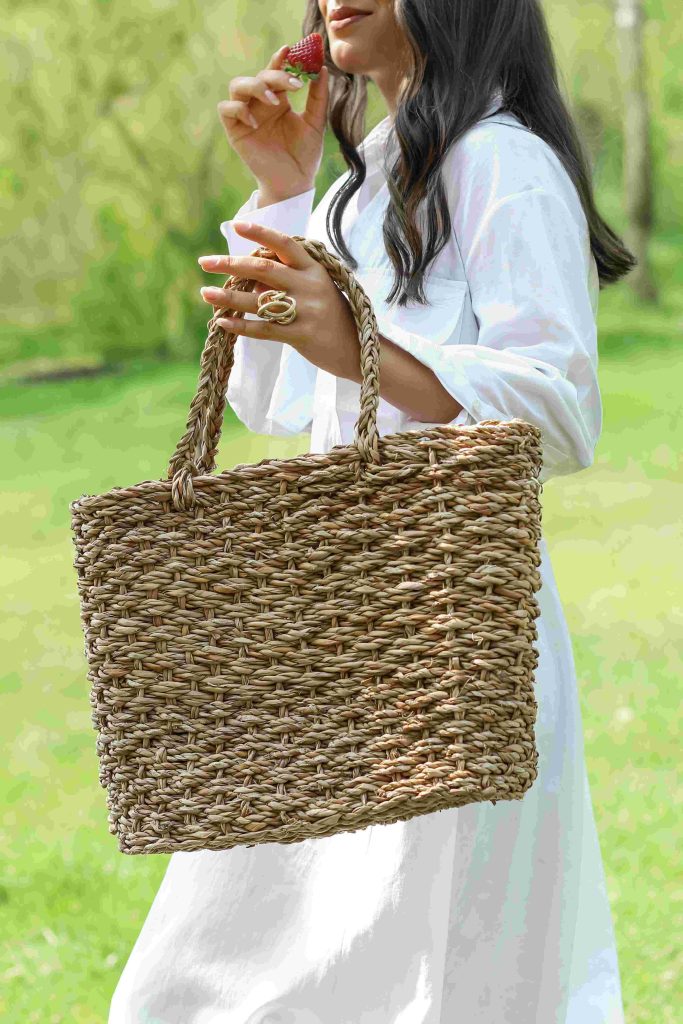 Whilst in Asia women use their hands for sewing, and in Europe for cooking, in Africa they use them to weave wicker, palm leaves or raffia. Raffia consists of long leaves often used in Madagascar to make everyday objects; the name of the plant has nothing to do with the ancient city of Raphia in the Gaza Strip, although it is spelled and pronounced the same way in Greek and Roman.
Wicker baskets are everyday items used for shopping at flea markets, or for carrying food at parties and picnics.
Whilst the bag is not in itself a relic of the colonial period, its use is closely associated with Western civilisation. It reflects the use of money, the pleasure of leisure, and the use of materials. Although the craft of basket-making is traditionally a women’s art, the baskets are used in daily life by both women and men. As everyday items, you will find them in every market in Madagascar, and they make the perfect souvenir to remind you of the Madagascan bush and its unique vegetation.
Guitar
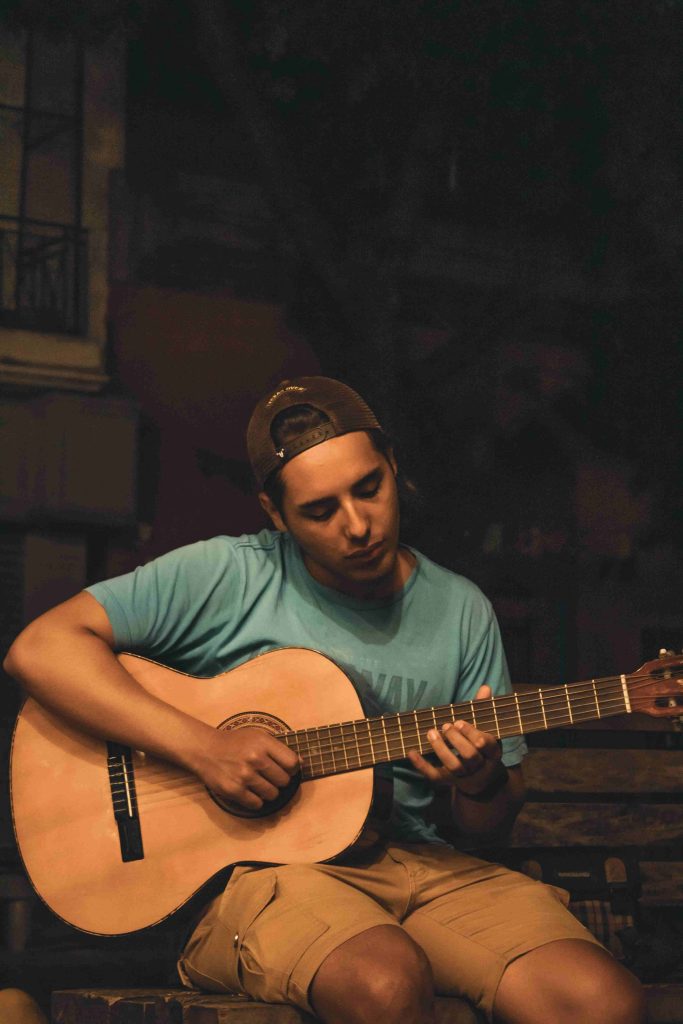 It is undoubtedly Madagascar’s Latin influence that makes the instrument so popular, or perhaps its ease of use. Whatever the reason, the instrument is much loved on the island, and guitars can be found in many homes. People of all ages take lessons, and it is very common to see one or two guitars at school, university or family gatherings.
Although the guitar is not a typical item in Madagascar, you will find an equivalent in souvenir shops: a natural-sounding guitar made from a bamboo trunk. If you are a keen amateur musician, you won’t find it too difficult to play the instrument; the sounds are very similar to those of a guitar, and it can be played without strumming the fretboard.
The melodies played on this traditional instrument are commonly used in traditional rituals.
Solitaire
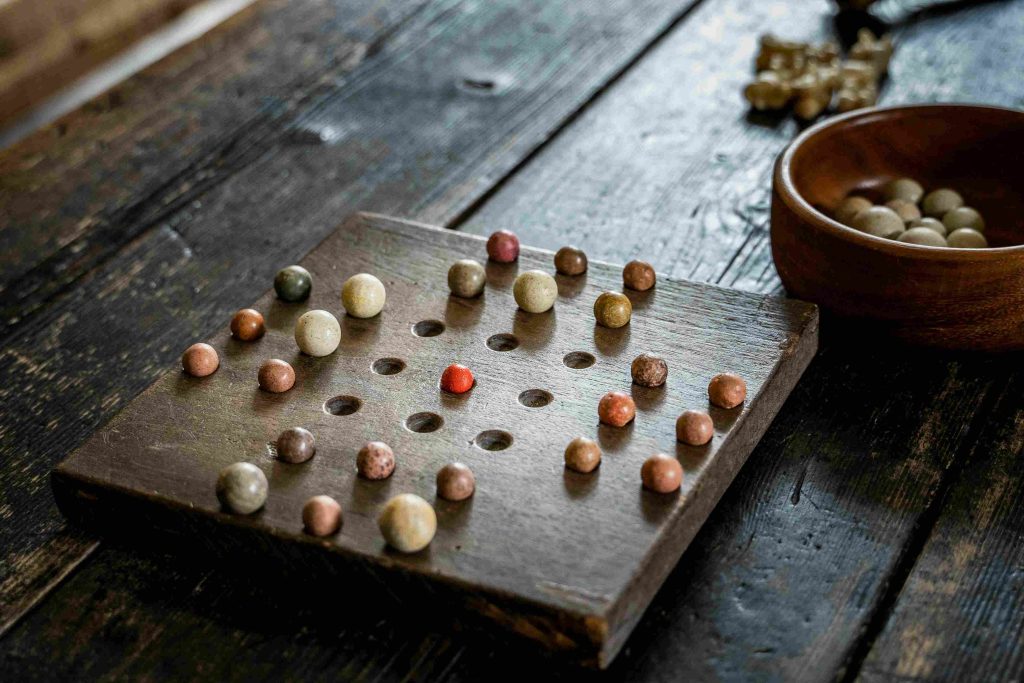 Among the many artefacts resulting from the arrival of Western civilisation on the island, the solitaire board is an item found in many Madagascan homes. That is why we have included it in our article; the game is of European origin, and the earliest written records of it date back to the German mathematician and philosopher Leibniz. The game is, however, firmly rooted in local customs, and you can find a game board in many parts of the island. At the souvenir market, you’ll have no trouble getting hold of the famous round game board.
Malabary
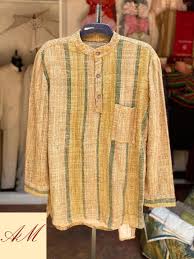 A thoroughly traditional garment, the Malabary is worn on the island for public speeches and festive occasions. The garment originates directly from the Malabar Coast in India. It was the attire worn by Indian traders in the 1800s; the garment became widespread amongst the Malagasy population, eventually becoming an essential part of the island’s festivals and spiritual events.
The garment is a loose-fitting, long-sleeved shirt in a light colour, tapered at the sides.
It is the garment given to young boys after circumcision, as it reaches down to the knee without touching the legs directly. It is also worn by men for traditional dances, as it allows for ease of movement and dance steps. A perfect souvenir to remind you of the great island – lightweight, authentic and practical.
Lamba: traditional cloth
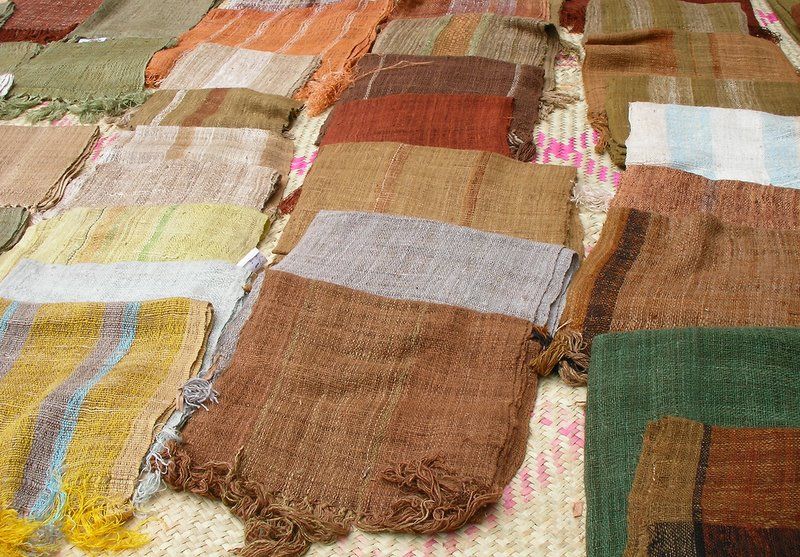 This traditional cloth is another textile artefact: it is a piece of fabric measuring approximately 2m² and is commonly used for covering oneself.
This traditional rectangular cloth has no specific purpose, which is what makes it so versatile. It is used to cover the hair, the body, and even the legs. Often brightly coloured, it can be bought in souvenir shops, flea markets, clothing shops, or even in Chinatown. Proof of its popularity amongst the Malagasy people, it is undoubtedly the most common item found in Malagasy homes. If you wish to purchase one, bear in mind that it is used in Madagascar and other parts of Africa. It is more than just a purchase of a piece of fabric; it is a purchase of cultural affiliation.
Madagascar-shaped medallion
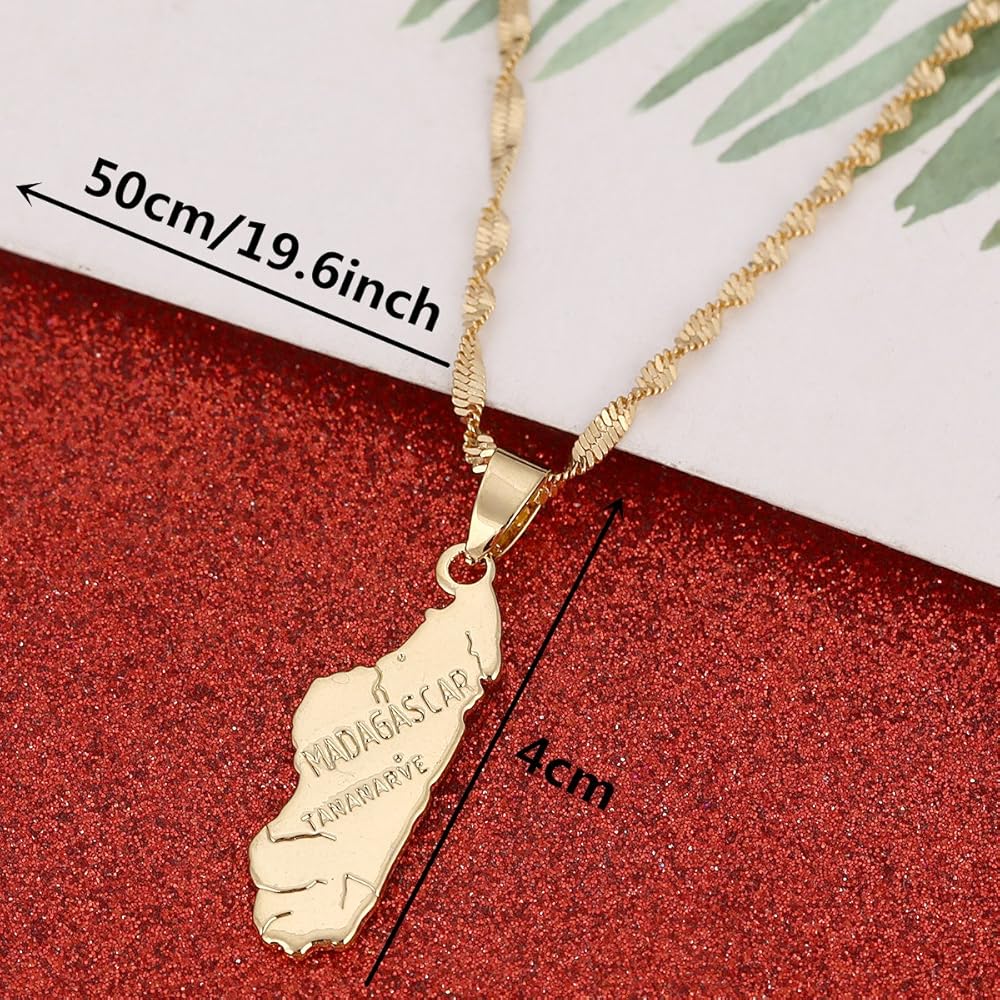 The Madagascar-shaped medallion is an item commonly seen around the necks of young people in Madagascar. Made from wood, plastic or other materials, it symbolises a strong sense of patriotism and an unconditional attachment to Madagascar. Immeasurable love – if, like them, you have fallen in love with this great island in the Indian Ocean, you can get one for yourself. The island’s inhabitants will be nothing but grateful that you share their love for their homeland. Here, too, is a purchase that shows appreciation for the island whilst serving as a brilliant marketing coup for the destination. We cannot recommend it highly enough in this article.
In Madagascar, medallions shaped like the island are worn by both men and women.
Handcrafted Charms
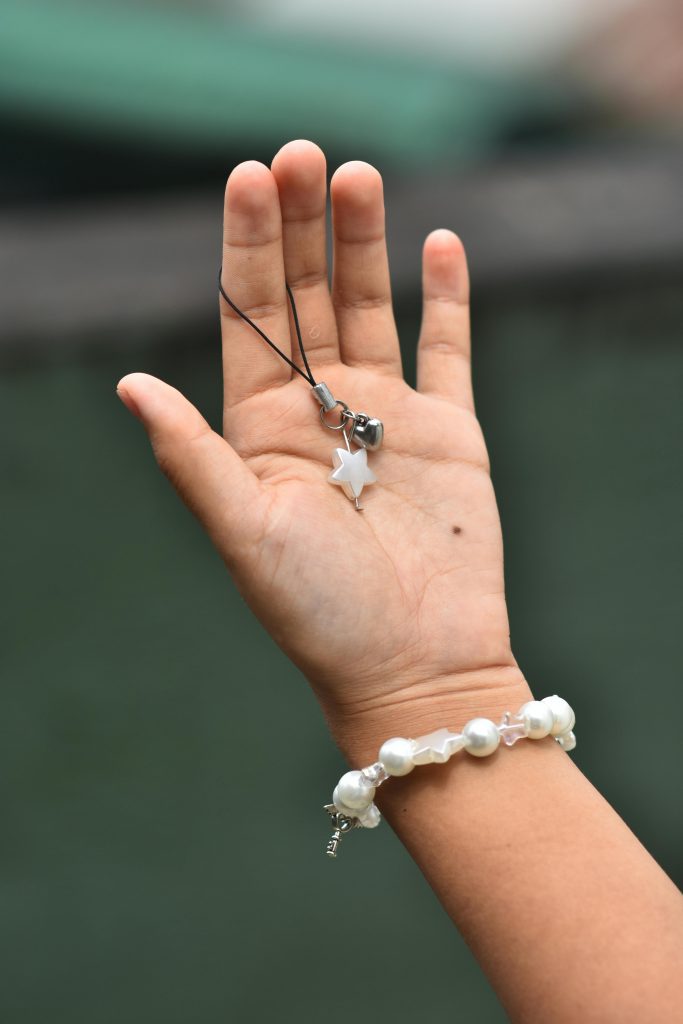 The Malagasy people have traditionally been superstitious, which is why talismans, lucky charms and amulets are commonplace there. Indeed, handcrafted charms are key objects for expressing one’s spiritual beliefs and attitudes.
Rope bracelets, wire necklaces, ivory pendants, ox-head masks – all these items are believed to bring luck, power, health, wealth and vigour to their owners.
The range of possible items is vast, and each comes with its own list of benefits.
For potential buyers, this is a real boon as it creates an even wider range of products on offer. To find these items in Madagascar, you can visit artisan shops, souvenir shops, and bustling areas, as this is where traders are most likely to be found.
These handcrafted trinkets make excellent souvenirs to take home, as they are austere, unadorned and simple. They will transport you back to your destination once again.