The role of aluminum in tourism
Tourism is a long-established sector, even older than mechanical engineering; humankind has been travelling the earth ever since it became accessible to us; mechanical engineering only dates back to antiquity, and modern mechanical engineering as we know it today emerged with the first steam engines developed by the Scottish engineer James Watt in England. Yet it is through this industry that tourism is currently undergoing its greatest developments. Great transatlantic crossings, suborbital travel, maritime explorations – all have been made possible by mechanical engineering.
In tourism, as in many sectors, mechanical engineering has been a boon. And in the field of mechanical engineering, one metal stands out and is in constant use – as you will have realised, it is aluminium. Number 13 on Mendeleev’s periodic table, aluminium is an essential metal for many mechanical devices. First mined in the south of France, then in the United States, Switzerland, Germany, Jamaica, Suriname, Russia, Australia, and today in Guinea and China, the metal continues to be used in ever-new and innovative ways. Extremely light and strong, the metal is ideal for travel and has become an integral part of the tourism industry. From equipment and tools to vehicles, building frames and leisure activities, aluminium has played a significant role in tourism since 1821. We’ll tell you all about it!
Plane
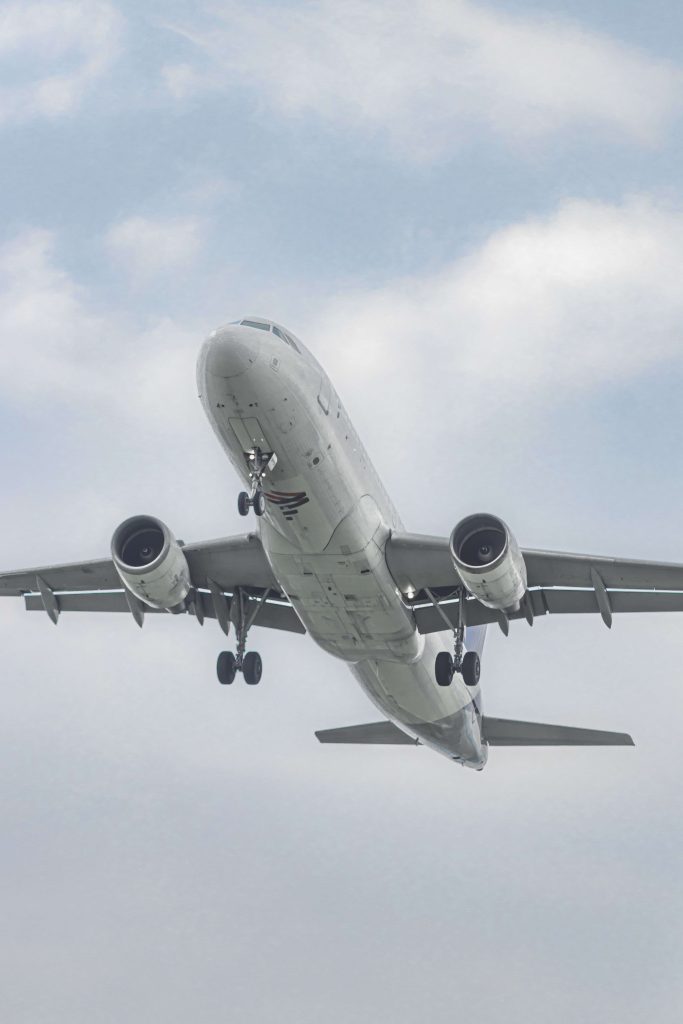 Aluminium, an essential metal in aviation due to its weight, accounts for between 70 per cent and 80 per cent of an aircraft: its density is approximately 2.7, making it three times heavier than water. This is in comparison to osmium, which has a density of 22.5. It is the metal offering the best balance of strength and lightness. The metal is found in the aircraft’s fuselage (the aircraft skin), in its wings (the internal structure of the wings, including ribs and spars), and in secondary components such as doors, hatches and bulkheads.
Civil aircraft manufacturers use this metal extensively. It is one of the main modes of transport for international tourists, with 58 per cent of them travelling by air according to the World Tourism Organisation (UNWTO). Companies such as Boeing, Airbus, Embraer and ATR use this metal to build their aircraft. The metal does not rust and is highly resistant to corrosion; furthermore, it can be recycled indefinitely, without ever running out. Highly malleable, it is perfect for the complex structures required by high-tech aircraft. Its colour and thermal insulation properties make it a valuable resource for aircraft that can operate at temperatures as low as -65°C. The material is also used by military aircraft manufacturers such as Lockheed Martin, Aura Aero, Sukhoi, Leonardo, MiG, Chengdu Aircraft Corporation, AVIC, …
Trains
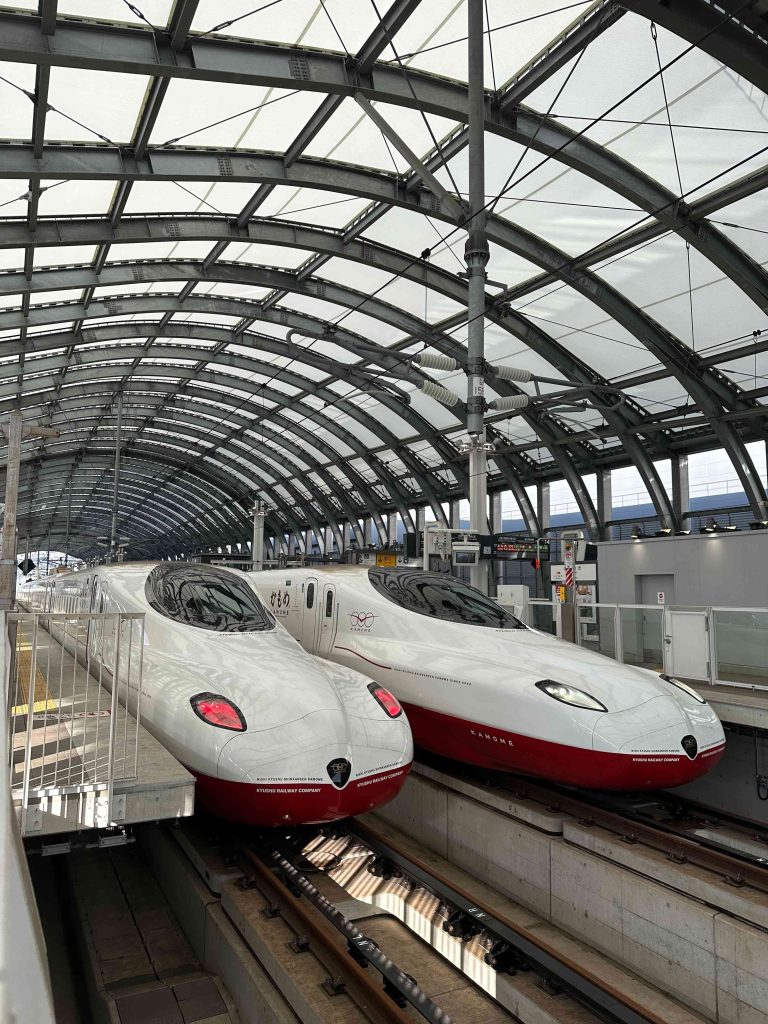 Whereas in the past they were made of steel – as was the case with 20th-century rolling stock such as the Micheline trains, or the Soulé and Stadler Rail trains – trains today are constructed with aluminium accounting for around 40 per cent of their total weight. Whilst the axles, wheels, traction chains and locomotive bodies (chassis and frame) have remained made of steel – as they are more resistant to the forces generated by the engine and the heat created by friction – the carriages (bodywork, structure and windows) and interior fittings have gradually been replaced with aluminium over time.
The world’s fastest train, the Maglev L0, which reaches speeds of up to 603 km/h in Japan, for example, was built mainly from lightweight aluminium. In this high-speed train, the ground coils are also made of aluminium, as are the superconducting magnets that enable the train to levitate and reach extreme speeds.
Aluminium allows for a higher load capacity as it is lighter, thus requiring less engine power. As a 21st-century material, it is more aesthetically pleasing and more easily recyclable, in keeping with the concerns of our time. Another detail, and by no means the least important, is that it is a better conductor than steel, making it ideal for trains powered by electricity. Indeed, it is an alloy of steel and aluminium that forms the power supply cables for electric trains: the famous catenaries. An alloy that is more heat-resistant, lightweight, and sufficiently rigid in structure.
Suitcases
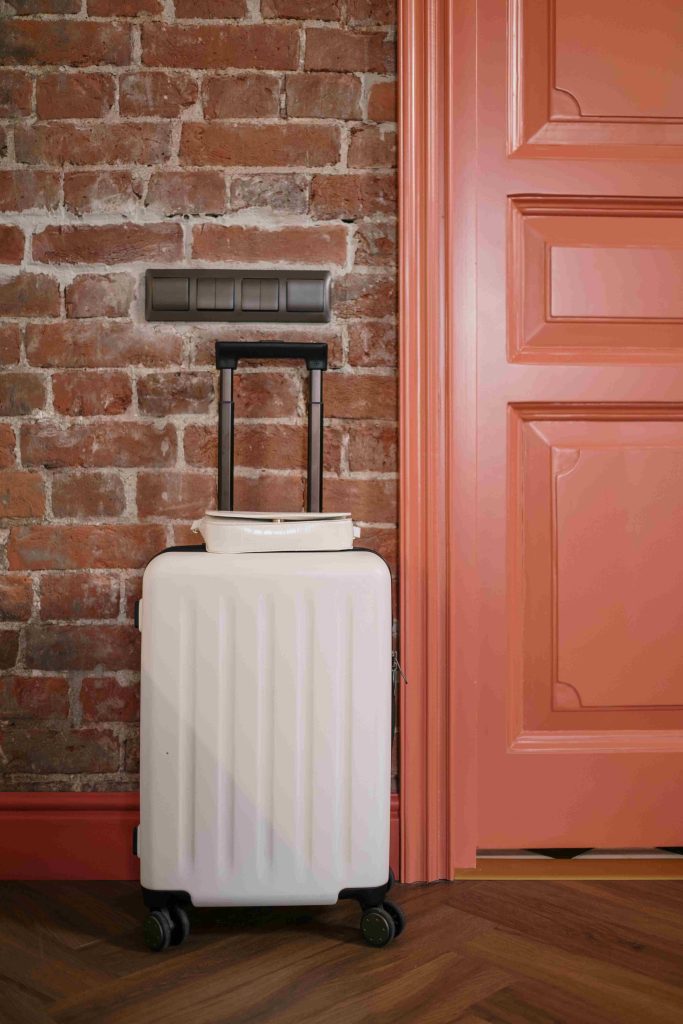 Before the invention of the electrochemical extraction of aluminium, suitcases were made from wooden trunks, canvas bags or even iron boxes. Following its discovery in the 19th century and its industrial-scale extraction, aluminium became an essential material for travel equipment. It was this material, in particular, that revolutionised the suitcase, reducing the weight of a 40-litre piece of luggage from 5.5 kg to 3 kg. A huge improvement in weight-to-volume ratio. Not only the weight, but also the manoeuvrability of the suitcase evolved with the use of aluminium. Wheels were fitted to the ends of suitcases, and retractable handles at the top allowed them to be manoeuvred with a simple twist of the wrist. Special textures were introduced to make them easier to carry whilst travelling. Aluminium has been a great boon to travel luggage: with the advent of aluminium suitcases, everyone – adults and children alike – can now move their suitcase as they please without the need for external supports.
Aluminium suitcases offer an optimal combination of sturdiness and lightness. Furthermore, the malleable nature of aluminium allows for original suitcase designs.
Construction framework
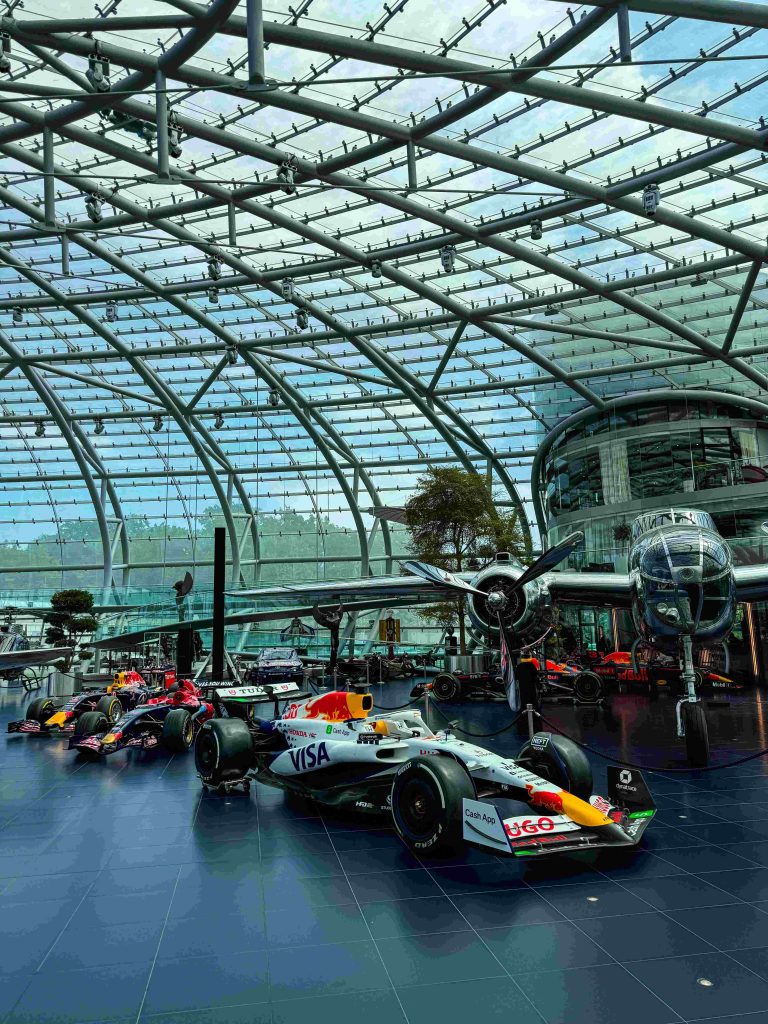 Tourism often involves travel and getting around, making aluminium indispensable. It is used in many modes of transport, and is found in small quantities in the packaging of takeaway food consumed whilst travelling, such as sandwiches, croque-monsieurs, salads, crisps, etc. Ergonomic uses of this metal can also be found on holiday, in tourist accommodation buildings and structures, beneath the roofs in the frames and sheet metal structures. Widely used in industrial buildings—of which there are many in the tourism sector—aluminium offers extreme lightness and significant durability. The metal is used for roof trusses: large-span structures, such as those resembling hangars, and for shelters of all kinds.
It is also used for façade frameworks: supporting the glass curtain walls of skyscrapers. Furthermore, it can serve as a structural framework for conservatory frames, pergolas and bay windows, which are very common in the tourism sector.
In construction, it is regarded as a premium material due to its aesthetic appeal, and for this reason is widely used in tourist buildings. Tourist buildings featuring aluminium can be found on every continent; it is modern and meets contemporary environmental standards.
Vehicle
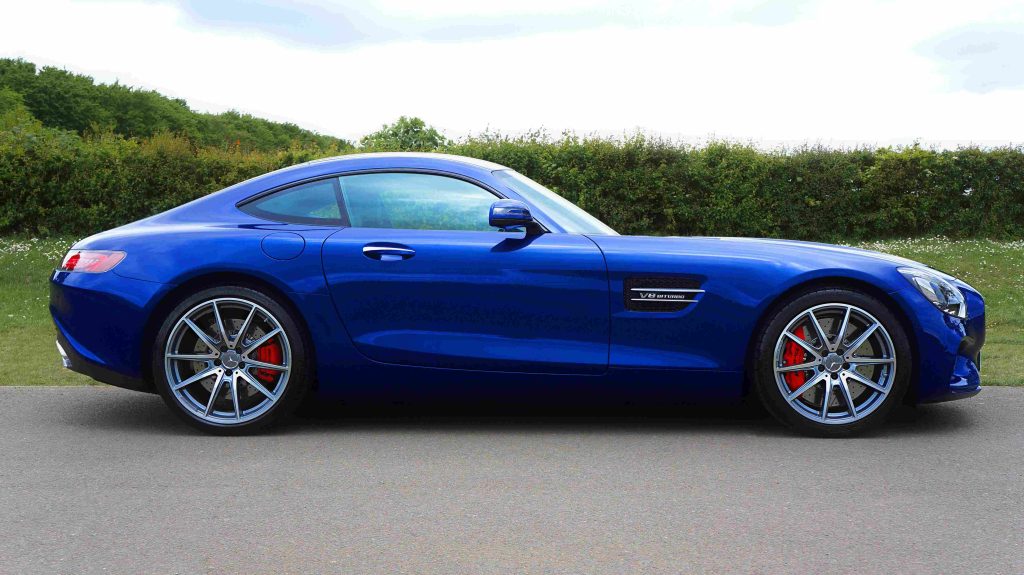 Aluminium, a metal that is increasingly making inroads into the automotive sector, is a material that is becoming ever more popular in the latest vehicles. Firstly, it is replacing the car’s original steel structure and bodywork; secondly, it is being incorporated into modular chassis components (and is even completely replacing steel in high-end models from brands such as Land Rover, Audi and Jaguar, brands often found in tourist tour rentals). Finally, it is being incorporated into the batteries, motors and wiring of today’s electric cars to reduce the vehicle’s weight and provide better thermal cooling. This metal, extracted from bauxite ore, is used both for structural components and in cutting-edge technology, such as in aluminium-ion batteries, where it enables better electrical connectivity (it is used both as a current connector for the cathodes and is present in the anodes of the batteries).
In conventional vehicles with internal combustion engines, it is an essential component for radiators, heat exchangers and engine cooling systems. Aluminium is also a safer material on the road as it offers excellent impact absorption. Whether for long or short journeys undertaken whilst on holiday, it is a vital material.