Madagascar’s rare produce
Madagascar is a multifaceted island, whose wealth of possibilities could dazzle even the most creative minds. The island boasts abundant resources and attractions, offering a wealth of opportunities and a vast range of possibilities. It produces a wide variety of goods and has a young population. The country is both a major maritime power and a dynamic land: fishing, agriculture and manufacturing are all carried out within its borders.
Its produce includes spices, fruit, fish and cereals… These are seasonal products, and also rare within the country. Known to its inhabitants and celebrated internationally, this produce is a source of pride for the island’s farmers, workers and residents. These products are found across the entire island and have built up an industry around which they revolve, making them products of high economic value. As products of the Malagasy environment, they constitute major territorial assets.
In addition to these natural attributes, there are manufactured goods produced through craftsmanship or semi-industrial operations. Madagascar, which is known for its wildlife and unique flora, deserves to be showcased for its other produce as well.
In this article, we take a look at the produce found in Madagascar.
Vanilla
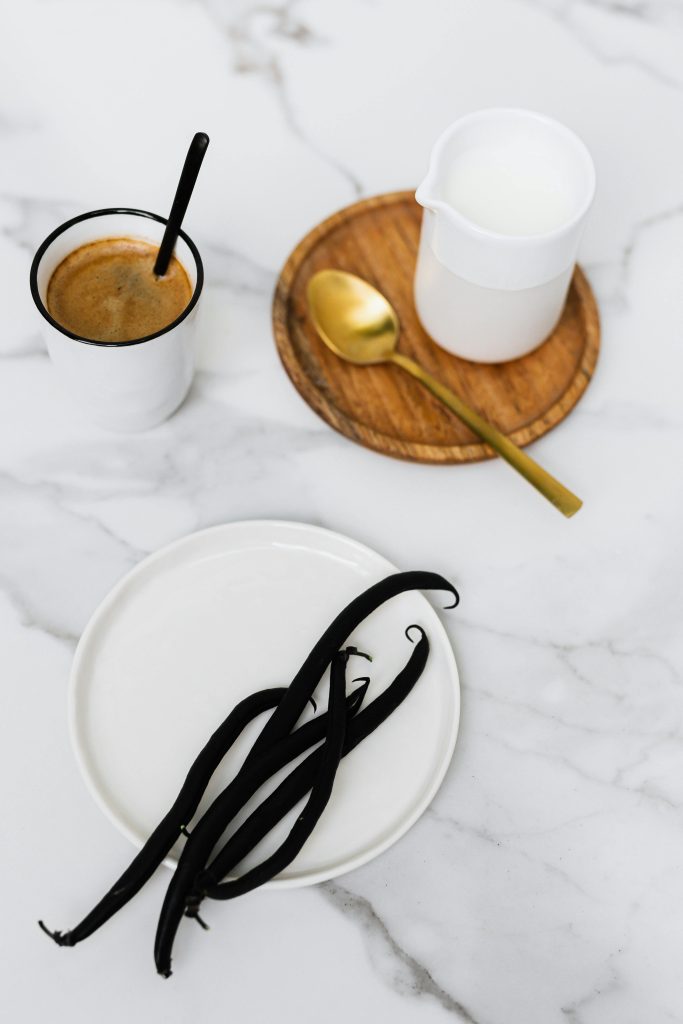 Although vanilla is Madagascar’s best-known spice, it is actually not very edible. It is rarely eaten, as it is difficult for the human digestive system to break down due to its high fibre content. The pod is around 20 cm long and contains millions of tiny beads, each less than a tenth of a millimetre in size, along its length. All parts of the vanilla pod are black in colour. The spice is used for the sweet, creamy and delicate aromas it releases. Its aromas are more pronounced in the pod, which can be cooked with the dish without cutting it, simply softened, as cutting it creates unpleasant strings in the mouth. The seeds extracted from the centre of the spice remain the most versatile part in cooking; they can be added to anything.
Whether cooked or dried, vanilla requires careful preparation to produce its pod. This famous flavour is mainly used to enhance the taste of desserts, but it can also be used in savoury dishes. The flavour can be synthesised in a laboratory. It can be used on its own or cooked at medium to high temperatures. Vanilla can also be enjoyed as a fragrance in cosmetic oils.
Lychee
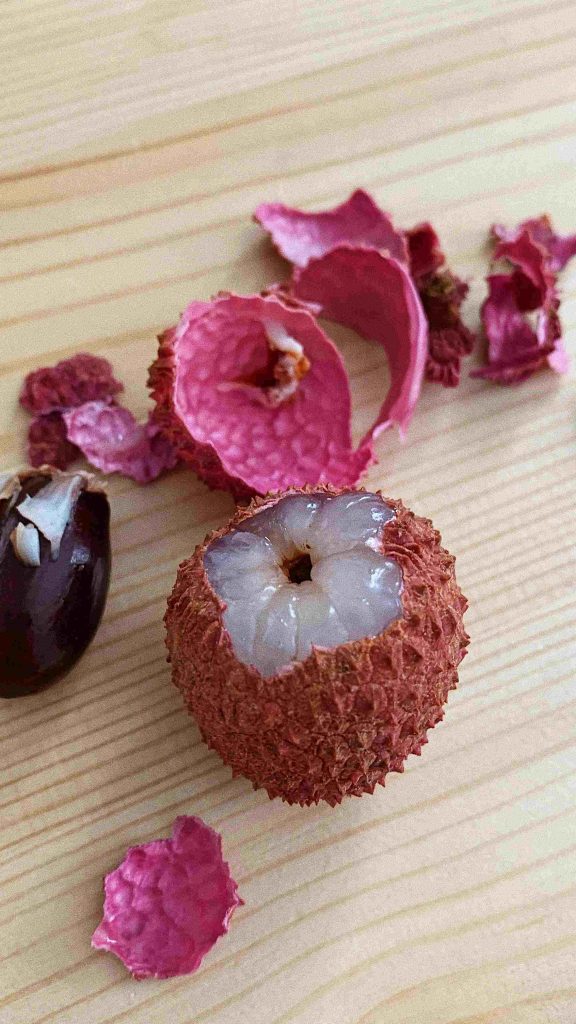 A tropical fruit with an intense freshness and very sweet flavour, the lychee is one of Madagascar’s flagship products. Enjoyed both on the island and off, the fruit is typically eaten during the Christmas and New Year period. It is a juicy fruit with a stone at its centre. It is eaten fresh after removing its red skin. The flesh is white; its juice is rich in sugar and becomes very sticky to the fingers once dry. The fruit can also be eaten cooked, either candied or as a compote.
The fruit is often sold at a fairly high price per kilo as it is a festive symbol and evokes the Christmas spirit. In Madagascar, lychee trees are found in the east and north of the island; the plant requires a hot and humid climate to thrive. Lychee trees are rarely found in the capital, yet the fruit is widely available and highly prized during November and December.
Lychee is also a fruit that makes an excellent juice in Madagascar; it is often drunk chilled, accompanied by a slice of banana cake.
Banana
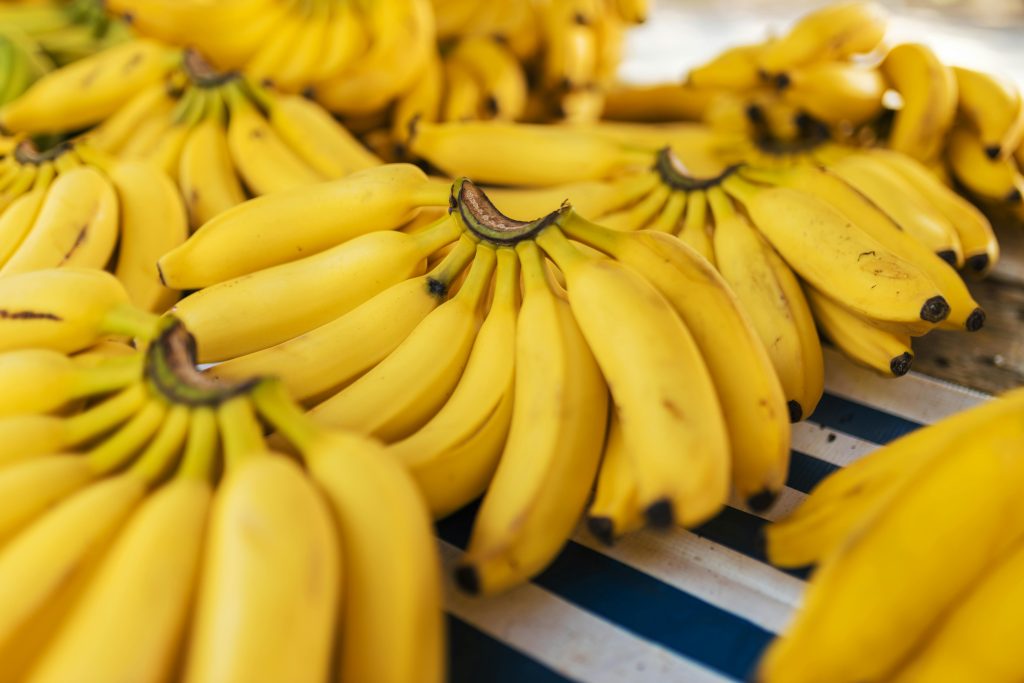 The banana is the most common fruit on the island; there are many different varieties, ranging from the famous plantain to sweeter varieties such as the pink banana. The fruit is eaten in all sorts of ways: sweet or savoury dishes, deep-fried in oil, steamed, or in salads with honey or chocolate sauce, and sometimes even with butter, cream and cheese. It is the most popular fruit on the island and certainly one of the most widely grown. Here at Explurt, we won’t hide the fact that we love it.
The fruit is a good source of potassium and is used in both traditional and contemporary pastries. For example, it is found in the traditional rice cake, in the famous banana fritter, and in contemporary cakes it is the main ingredient in banana bread and is also used in other baked desserts such as banana flan or banana pancakes.
The fruit needs no introduction; it is sweet and extremely filling, and for these reasons, it provides a good nutritional boost that is much appreciated by those looking for a quick and tasty snack.
Pepper
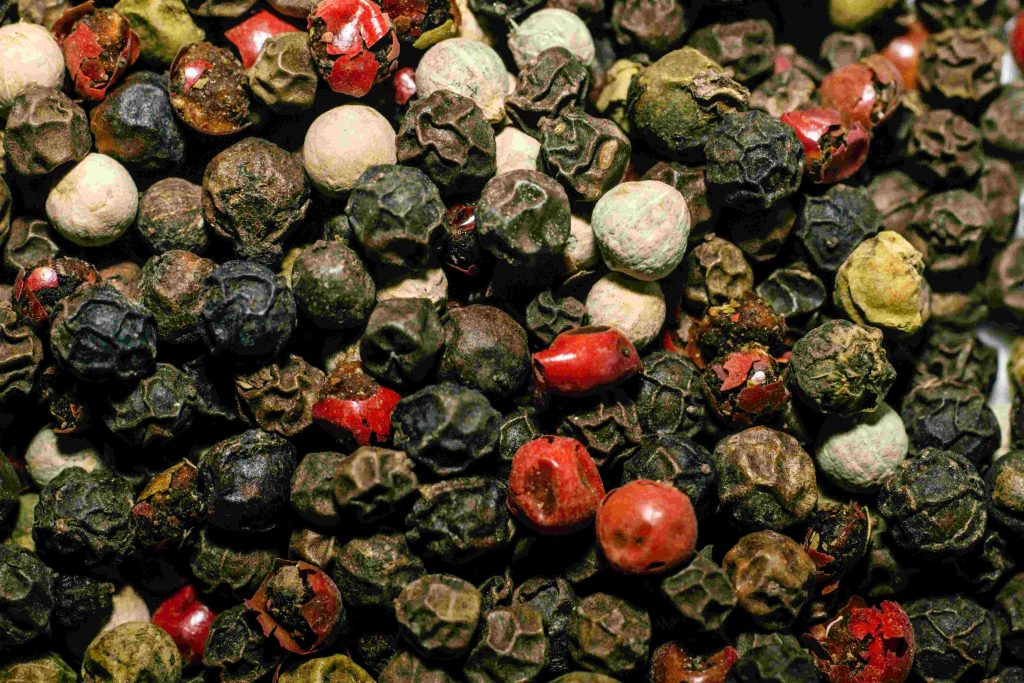 A spice renowned for its digestive properties, pepper is widely used in Malagasy cuisine. Pepper is mixed with both vegetables and meat. It goes with everything – fish, prawns, eels, beef, pork, poultry and game. Pepper pairs extremely well with every source of protein and brings out the fresh flavour of each meat. Pepper is historically a spice that originated in India and has conquered the world.
In Madagascar, pepper comes in several varieties: green pepper, black pepper, pink pepper, wild pepper and grey pepper. All feature in Madagascan cuisine as the king of condiments.
As well as being added during cooking, this condiment makes an appearance at the table to enhance dishes to the diners’ taste. Fresh, uncooked pepper is prized for the character it lends to a dish; it can be added to all kinds of food and goes very well with a drizzle of oil. Pepper cultivation is widespread in the east of the island. Madagascar typically exports seeds of its black pepper and wild pepper throughout the Indian Ocean.
On the island, you can find pepper already ground in tins or in its natural form. To best preserve the aromas, if you wish to bring some back with you at competitive prices, buy your Madagascan pepper at the flea market; you’ll find it in seed form, which is the best way to retain its fragrance. In its round form, it will release its full flavour once crushed. You can bring back one or two kilos of seeds, which makes a good amount of ground pepper. Store them in a sealed plastic bag in a dry place. Here are our tips for this spice.
Maize
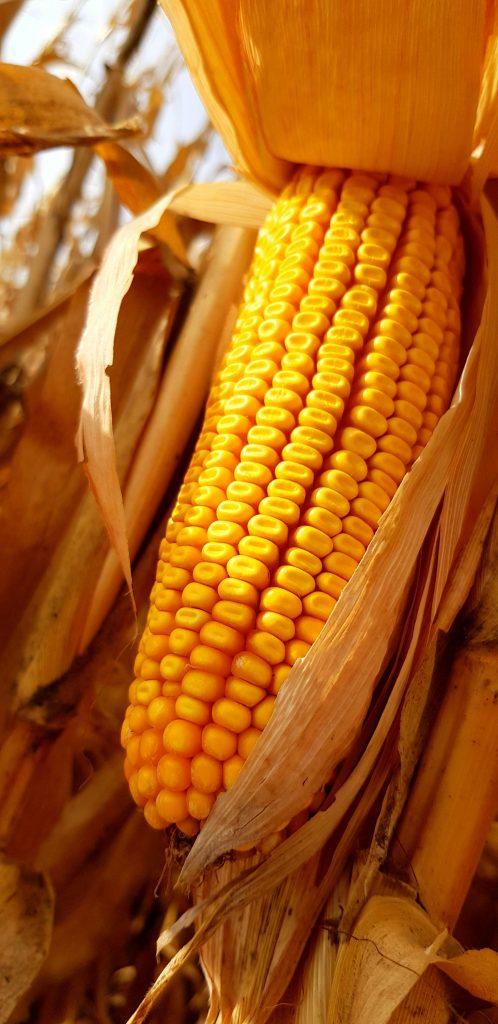 Maize is a very popular cereal in Madagascar; it is enjoyed as a snack, either boiled or roasted over a wood fire. You will commonly find vendors selling maize prepared in these ways along Madagascar’s main roads. Highly popular with lorry drivers, families on holiday, couples out and about, and staff on the move, the cereal is a firm favourite. Maize is very popular and can be found in most Madagascan markets. It is sold by the kilo and by the sack. Generally speaking, it is appreciated for its ease of preparation, its soft, vibrant flavours, and its lingering aftertaste. It is sometimes given to young children to help with teething. It is also popular with older people, who appreciate it for its high magnesium content.
It can be used as the main ingredient in pastries, steamed, or sometimes pounded to make maize soup. It is also fed to animals when it is not being cooked, eaten as a snack, or used in pastries.
Maize is a cereal grain used in many fresh salad recipes, including Caesar salad. It is also found in many cooked dishes, such as stir-fried rice with vegetables or lentils with Tabasco sauce.
Maize is grown in Madagascar and is planted all over the island. The variety of maize grown is a native variety that is resistant to weeds. Maize cultivation is a common practice among many Madagascans. It is a cereal subject to intensive agricultural campaigns. Every year, its production is assessed and reset. All the main maize fields are located on hills or plateaus, and they are generally cultivated with little or no fertiliser.
Cinnamon
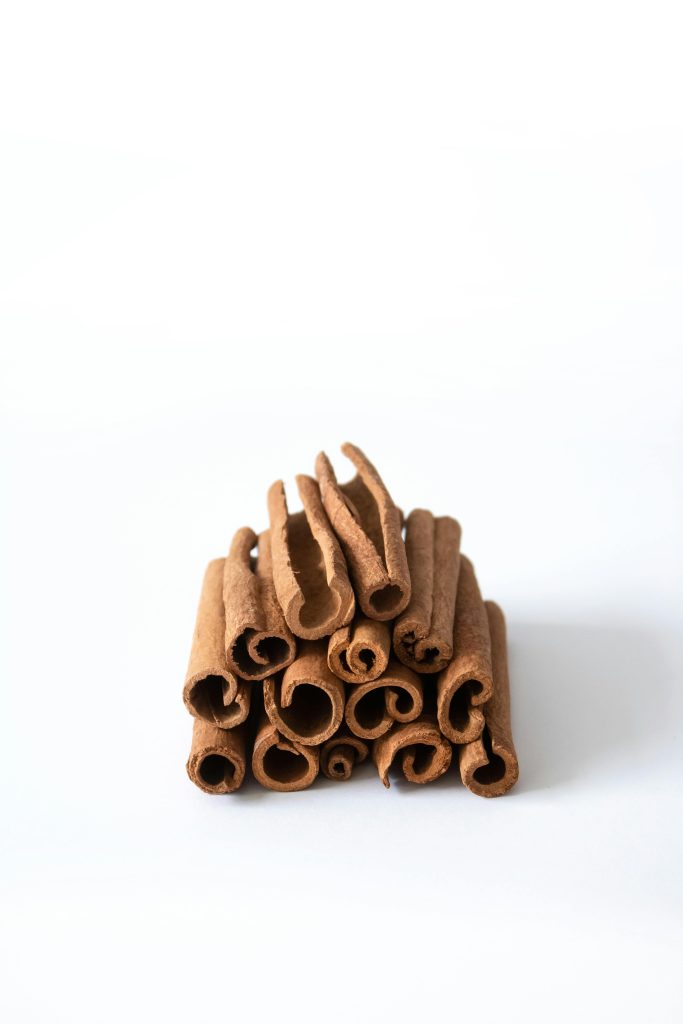 A spice found in abundance on the main island, particularly in many areas of the east. Cinnamon bark is a very common spice in the markets. It is used to make tea, biscuits, or to flavour all kinds of spirits. Cinnamon is a spice that originates from Sri Lanka; its aroma is intensely fragrant, full-bodied, rich and vegetal. The spice is used in powder form or as bark sticks. It is an extremely popular spice worldwide, and its harvest involves precise cutting and drying techniques. In Madagascar, cinnamon is a spice often used in cooking; the Malagasy people rarely drink it as a herbal tea.
The spice is sometimes used to scent spaces like an essential oil; cinnamon is a spice that can be used in various ways. The taste of cinnamon is true to its scent; there is no deception in the product – it is likely the aromas that act as the flavour compounds. The truth is that cinnamon in Madagascar is a spice that is greatly appreciated; it is often given as a gift at birthday parties or festive celebrations, alongside wine, chocolate or sometimes cheese.
As such, it is one of the population’s favourite spices, being easy to buy and easy to use. In Sri Lanka, the spice’s country of origin, cinnamon is believed to help regulate blood sugar levels. It is associated with good health.
Watercress leaves
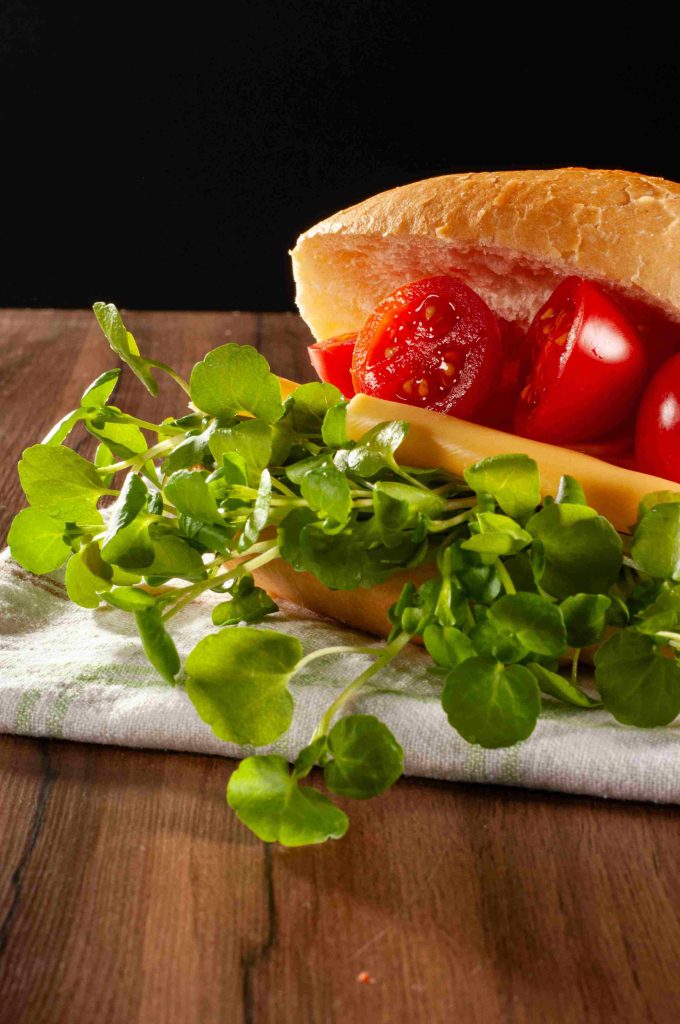 Watercress leaves are a favourite among the Malagasy people. They are grown on a variety of farms and are mainly produced for local consumption. Watercress leaves are said to have numerous health benefits. In particular, they are believed to be a remedy for stomach problems and intestinal disorders. It is a small, entirely green leaf, the whole of which is edible. The leaf is usually boiled and is available at the market between April and May; it is sold in bunches and requires thorough washing as it is often planted close to sandy soil by farmers. Both in the countryside and in the city, this green vegetable is much loved by the Malagasy people; it has a very herbaceous flavour and is often mixed with meat or eaten sautéed in oil.
It is rich in beta-carotene, provitamin A and other vitamins important for the proper cognitive functioning of the nervous system. Watercress leaves can be cooked in savoury tarts, but they are very rarely prepared in this way on the island. They can also be eaten raw in salads with all kinds of nuts and cubes of goat’s cheese, but this recipe is also rarely made.
Honey
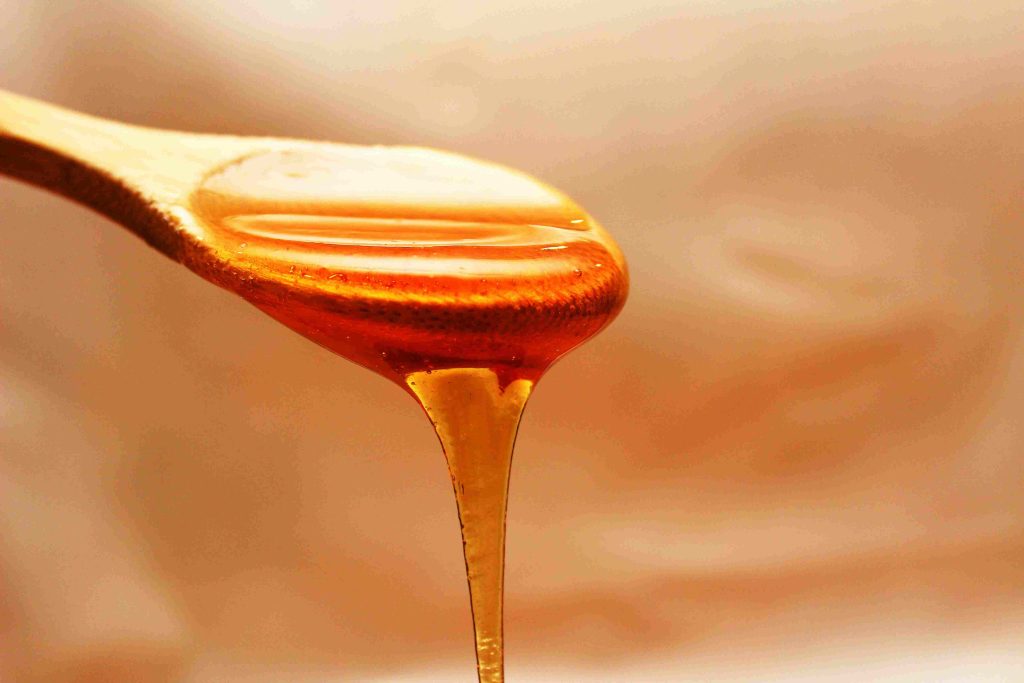 Honey is produced on a large scale across the whole island, particularly in the south, where it is produced on a semi-industrial scale by Belgian operators. Madagascan honey is a prized commodity and widely consumed both on and off the island. It is a resource that can be harvested naturally, by traditional methods or industrially. Its production is supported by the island’s floral vegetation. Honey is consumed at various times of the day: in the morning on a slice of bread with butter, at ten o’clock in a cup of tea, at midday to marinate meat, at four o’clock to enjoy with a slice of cake, and in the evening in a pot of yoghurt to help one sleep better.
Although honey is not found in every Madagascan household—as it remains a luxury and seasonal product—it is still highly prized and recognised for its natural properties as a good substitute for sugar. Madagascar honey is known for its floral notes and lightness; it reflects the island’s flowers, which are light and sweet.
Symbolically, honey represents fertility, love and vitality. It is given to young boys learning to master sports, to pregnant women, and at weddings to celebrate the wedding night.
In rural areas, this rare nectar is harvested exclusively by men. Honey gatherers use traditional smoking methods, mostly involving burnt rags. They use old, worn-out clothes, which they burn on a stick carved for the purpose. The most experienced gatherers can collect their honey without smoke; for this, they make slow, almost stationary movements that allow them to avoid bee stings.
It is worth noting that honey is also used as a traditional remedy to treat deep wounds and severe sore throats.
Summer clothing
 Another industry that is a source of pride for the island’s inhabitants is the manufacture of clothing for export in its free trade zones. The country is often praised for its ‘golden hands’, an expression that refers to the quality of the work produced by local Malagasy workers. Many garments are produced here, featuring elegant, distinguished cuts, though sometimes modest styles too. Its tax-reduced industrial zones often consist of large buildings spread across vast open spaces. They skilfully produce trousers, T-shirts, shirts, jumpers, shorts and other items for major European brands. Thousands of workers are employed in these industrial zones, producing high-quality clothing. The garments produced are either exported or sold on the local market. These are items available in all sizes and very easy to wear.
It is worth noting that production costs in these areas are low due to low taxation and reduced labour costs. Furthermore, the garment industry offers economic opportunities that are found mainly in the capital. Other economic partnership ventures with foreign companies exist in the island’s provinces, but these relate to other sectors.
Kaffir lime
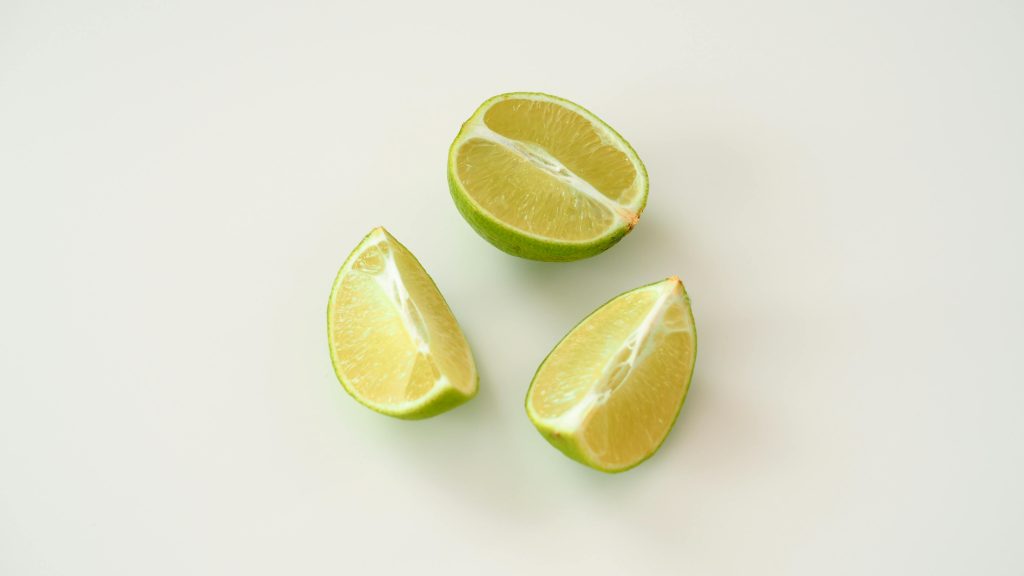 The kaffir lime is a small green fruit from the citrus family that grows in Madagascar. It is mainly cultivated in the region near the town of Tamatave. To extract its flavour, the kaffir lime is often dried. It is found in chocolate, fruit jellies and pastries.
Although kaffir lime represents Madagascar abroad, where it is associated with the exotic flavours of the island, it is a fruit little known to the local population. It is rarely found in flea markets or even in the hypermarkets and grocery shops of the island.
The fruit can be eaten as it is. In dessert recipes, it is the leaves that are often used. They are frequently combined with cream to temper the plant’s bitterness. The plant is also found in savoury dishes. Cooked and mixed with nuts and salt, the leaves and fruit make a tasty salad.
Kaffir lime is used in beauty products: soap, face cream, shampoo, hair care products, etc. Kaffir lime is used in many everyday products as a flavouring. According to some studies, kaffir lime may help relieve joint pain and boost the immune system. A famous and popular recipe featuring kaffir lime is kaffir lime fish, which uses both the leaves and the fruit. This is a recipe for fish fillets sautéed in butter infused with kaffir lime leaves and juice.