Madagascar and its 6 reptiles
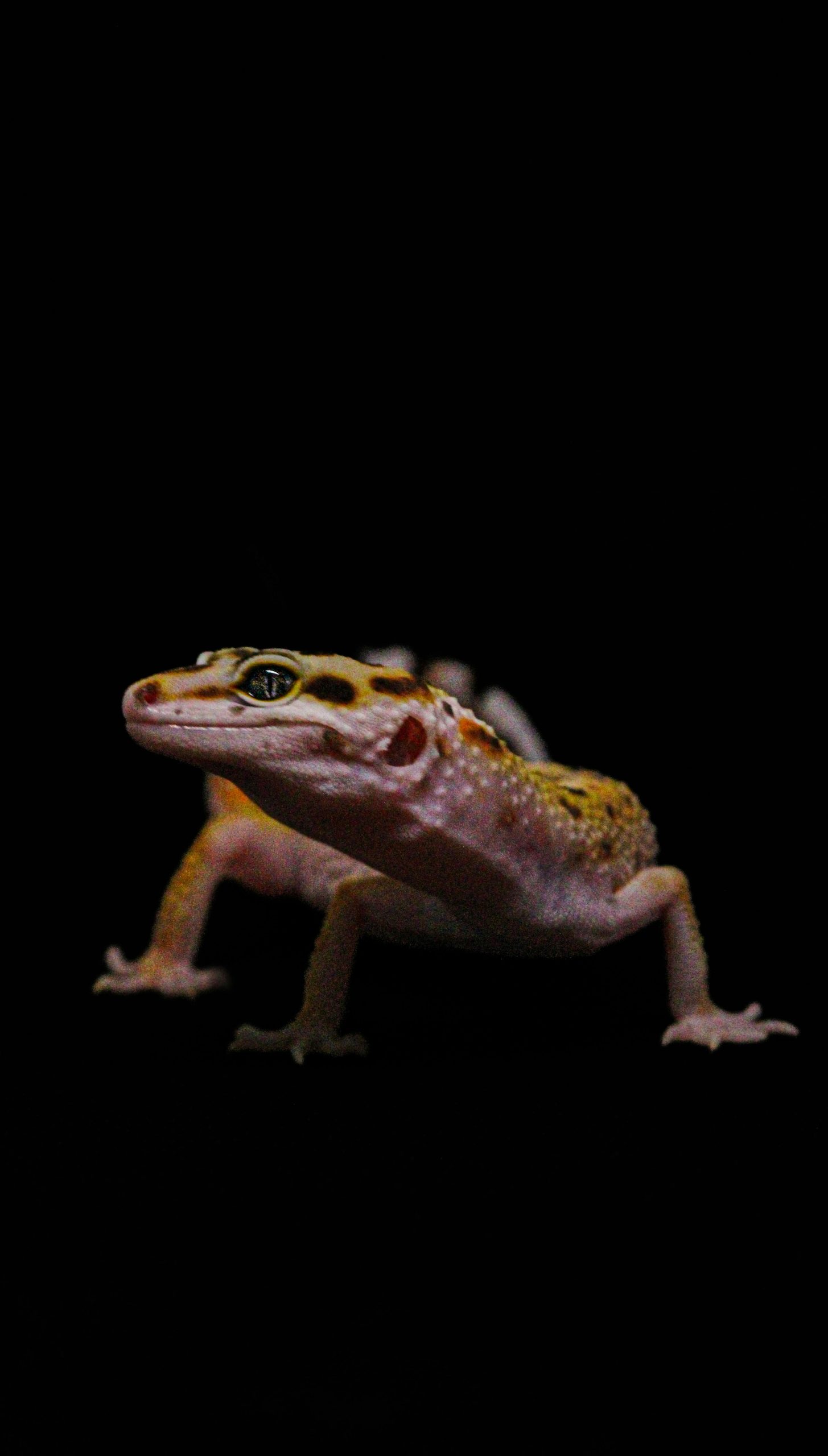
Madagascar is an island renowned for its flora and fauna. The island is home to a wide variety of animals, which inhabit the entire length of the island from north to south. These animals coexist with the local population and thrive depending on climate change, the preservation of their habitats, and the protection of their populations. Among them are reptiles. Of all the species, they are often the least understood and least appreciated of all. In this article, we take a look at the famous reptiles that inhabit Madagascar. This ‘cold-blooded’ group is poorly regarded on the island. Yet they live alongside other species without any notable issues. Snakes, crocodiles, lizards, dragons, chameleons and even tortoises – there are many in Madagascar whose blood runs as cold as water straight from the fridge.
Lizards
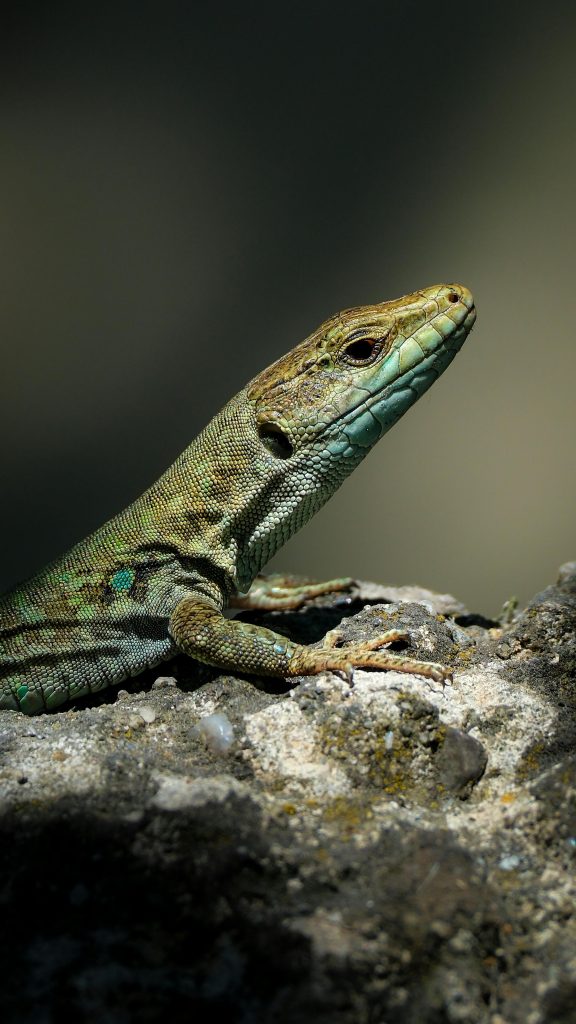 This is the most common reptile found on the island. There are many different species and sizes. Lizards are not averse to venturing into villages and towns in search of food. They feed on insects, rotten fruit, leaves and food waste. During its lifetime, a lizard may lose its tail, which regrows within a few weeks. This physiological trait is due to its ability to regenerate.
The lizard is a reptile that generally lives in groups, with a hierarchy among individuals of the same species. It is a reptile not greatly feared by the people of Madagascar; they live alongside them without causing much hostility. Their presence is nevertheless a sign of dilapidation and often indicates that repairs or cleaning are needed. In the Malagasy imagination, the lizard is associated with speed and agility. Contrary to popular belief, the species is not eaten, or very rarely so, on the island. Both small and large species of lizard are held in high regard as creatures to be treated with care.
Snakes
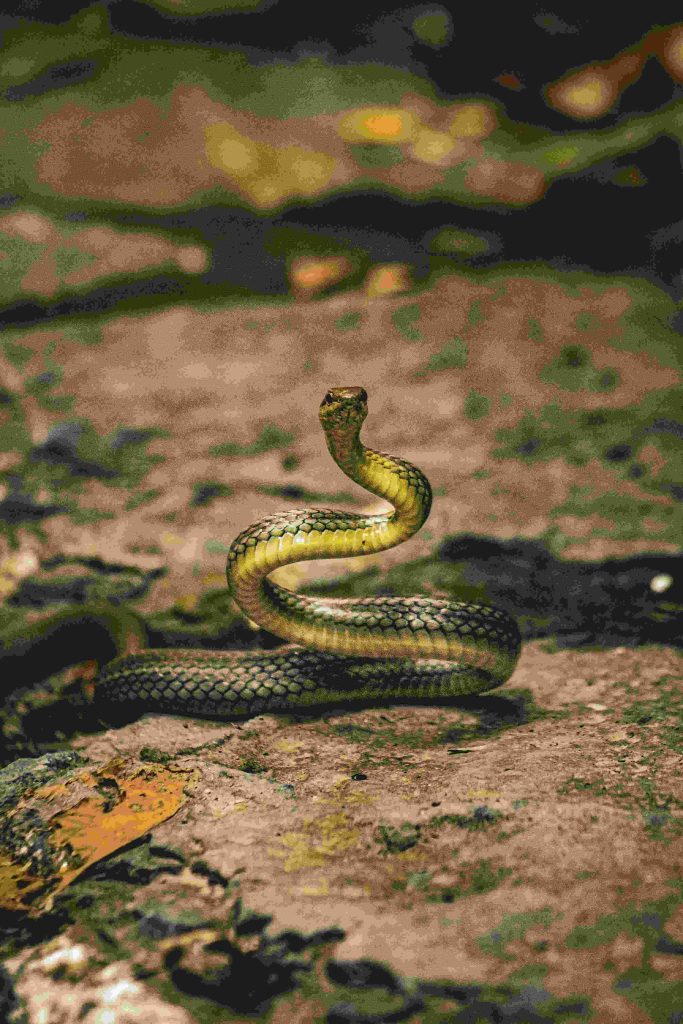 A reptile found in many different species, the snake is undoubtedly the second most common reptile in Madagascar. It is most often found in small towns and the countryside, and very rarely in cities. They feed mainly on rodents and occasionally on small mammals. They are characterised by the shedding of their skin, which all snakes undergo in order to grow and increase in thickness. It is a solitary animal; it is only found near another snake for the purpose of reproduction, and once the eggs have been fertilised, it continues to live far away from other members of its species. It is an animal that is quite feared on the main island as it is associated with the original sin of the Book of Genesis. Indeed, upon encountering it, locals tend to turn back, scream in fear or make the sign of the cross. The snake can reach quite impressive sizes on the main island; some species can grow to just under 2 metres.
Crocodiles
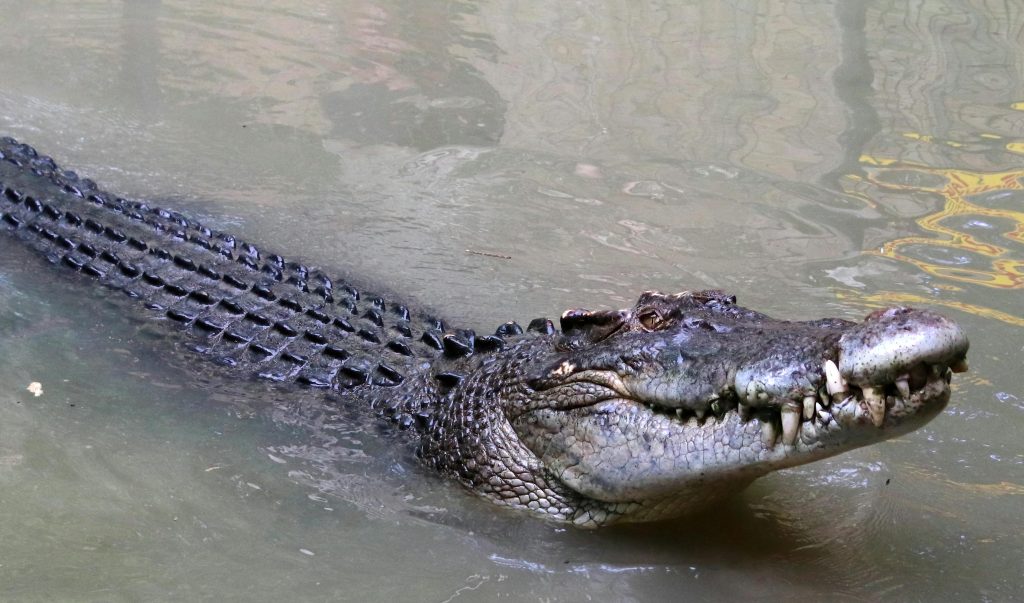 An animal that strikes fear into the hearts of many, the crocodile is a reptile found in the wild on the island of Madagascar. It inhabits both the rivers and seas of Madagascar. It is known as a carnivorous animal and a fearsome predator. It is a reptile that generally lives in groups alongside its peers. The animal is as well known for its natural ability to kill its prey as for its leather, which is uniquely supple, glossy and strong. It is an exotic leather to work with, producing distinctive patterns: the crocodile’s back is covered in raised bumps and is very scaly, a feature seen on crocodile leather goods. The crocodile in Madagascar can grow to over 3 metres in length. There is a zoo in the capital dedicated specifically to crocodiles. In its natural habitat, the animal is considered sacred.
It is worth noting that crocodile meat is eaten by people on the island.
The Madagascar dragon: Oplure cuvier
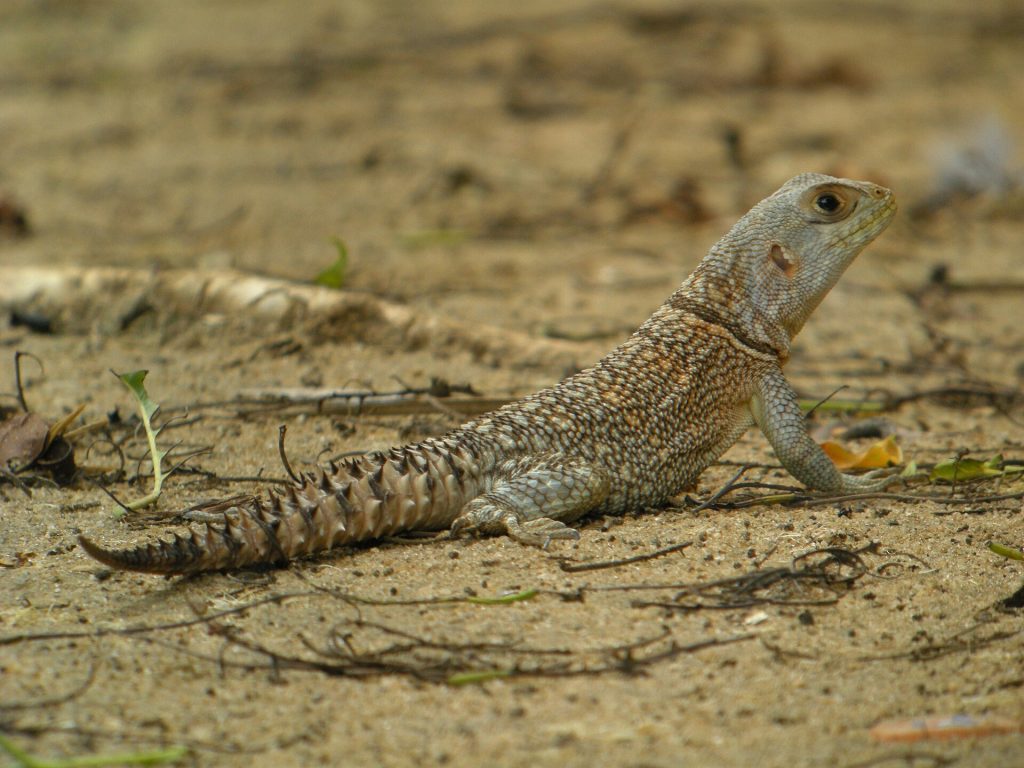 This is a giant iguana measuring less than 40 cm in length. It is generally found in the dry forests of north-western Madagascar. It is a reptile that moves quickly and has very little contact with humans. For this reason, it is not very well known among tourists. The animal does, however, exist: like other iguanas, it has a long tail and a dorsal crest. This species of iguana has no dewlap. It feeds on insects and rotten fruit. It is named after the Parisian anatomist Jean Léopold Nicolas Frédéric Cuvier, better known by his adopted name, George Cuvier.
Like other iguanas, it likes to live among rocks; these habitats help the animal regulate its body temperature. This species of iguana is also found on the Comoro Islands.
Chameleons
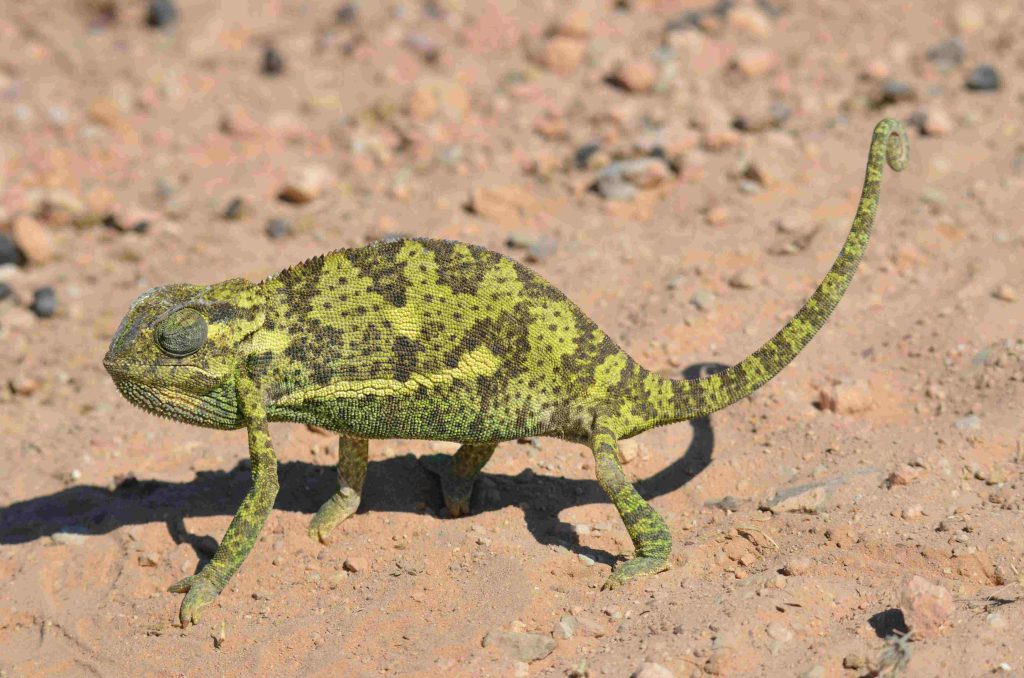 There are many species of chameleon in Madagascar. Around 150 species of diurnal and nocturnal chameleons have been recorded on the island. It follows that this is a very common reptile on the island. The species is very familiar to its inhabitants; young and old alike have all come into contact with it during their time on the island. In the countryside, it is not uncommon to see young children playing with the reptile. Whilst the species is not directly feared, it is still regarded with apprehension due to the bad omens associated with it. Indeed, it is said to symbolise betrayal, hypocrisy, impurity and death, and is often kept away from living areas.
Apart from its nonchalant wandering, the chameleon in Madagascar has no particular merits. It is obviously rarely kept as a pet and is not the subject of any specific breeding programmes. The animal is also rarely sold, given its abundance.
Turtles
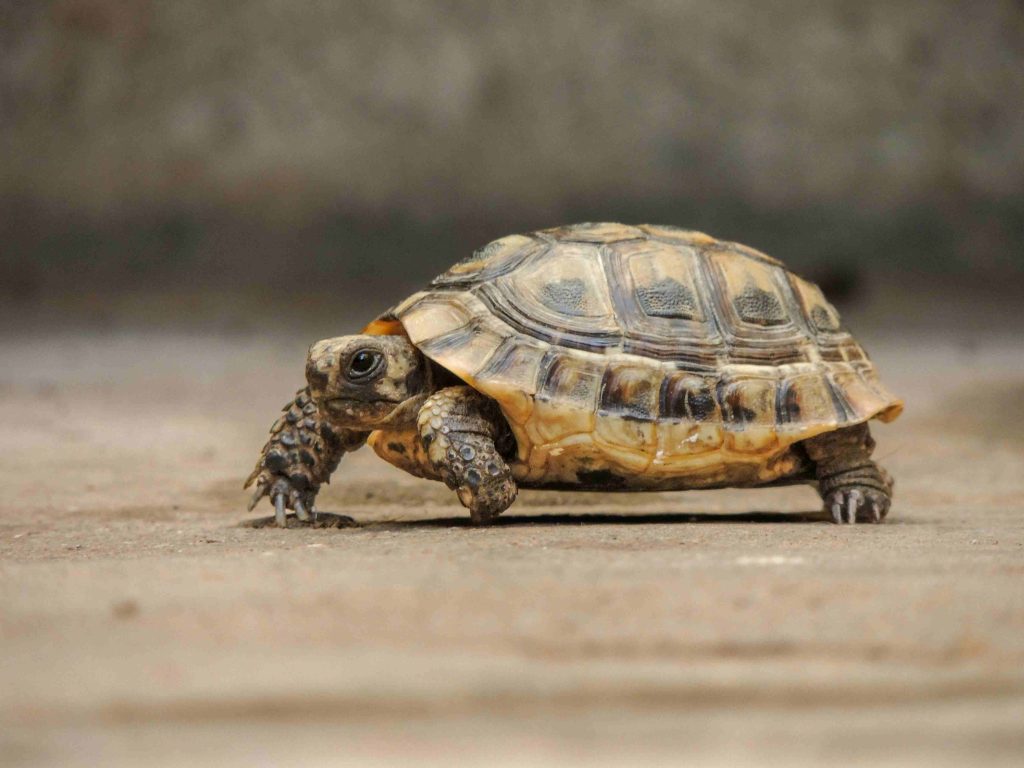 The last reptile on the list, the turtle is a species found in the wild in Madagascar. There are around 16 species of turtle in Madagascar, including five species of sea turtle. It is a solitary animal with very few social behaviours. It is only found in groups in domestic breeding facilities in homes or in parks. The animal is much loved by Madagascan households. It is regarded as a pet in many regions of Madagascar when kept in captivity. The town of Tulear in the south of the island is the area where many tortoises are found in the wild.
It is an animal with strong symbolic significance; it is associated with wisdom and thoughtful decision-making due to its slow pace.