Ecotourism in Madagascar
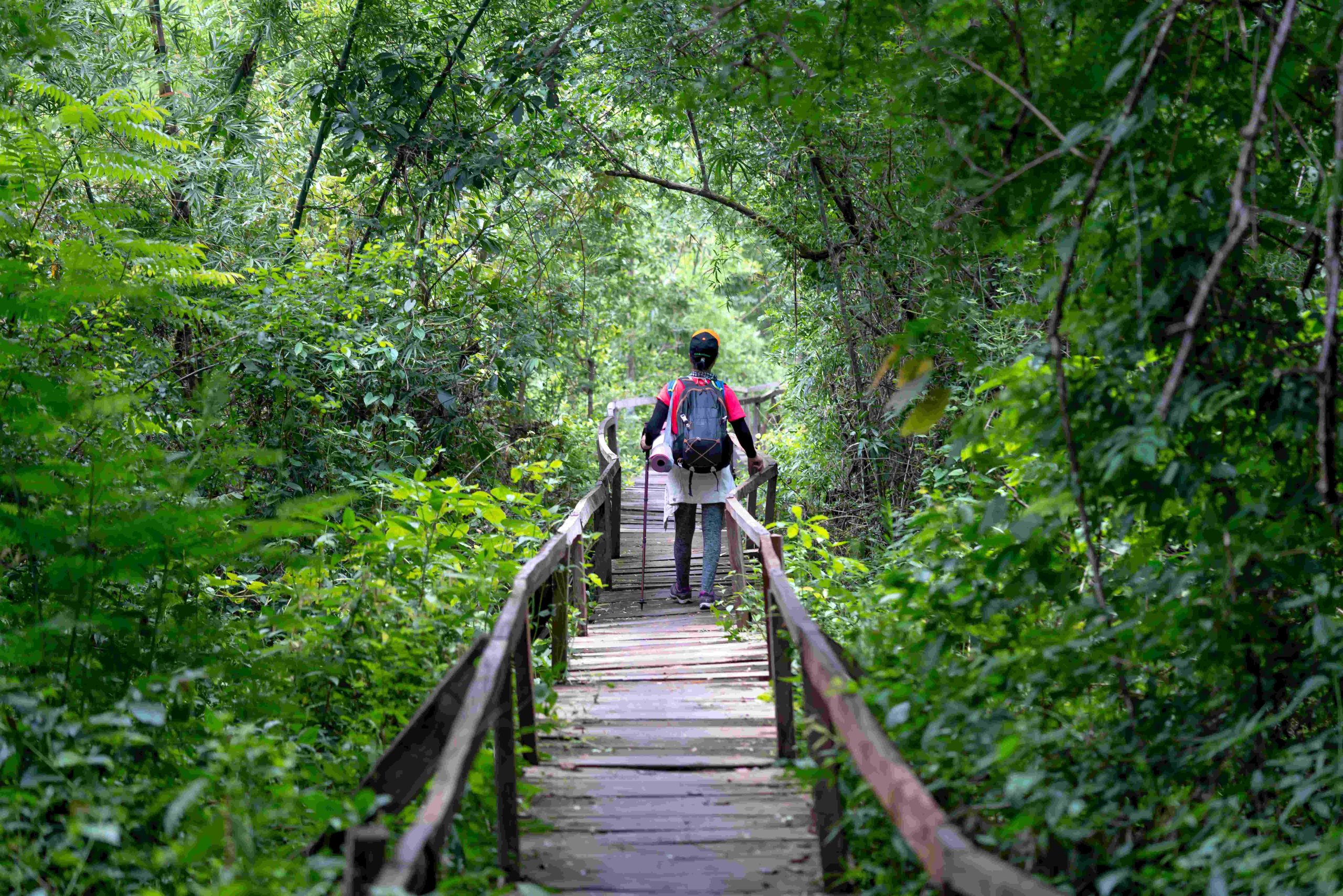
Madagascar is an island renowned for its beaches, tropical forests and unique wildlife. The country stands out for its size, being the second-largest island in the Indian Ocean. The island is home to a welcoming and friendly population. Formerly known as ‘the green island’ due to its lush vegetation, it is now referred to as ‘the red island’.
Whilst tourism has always been a major economic driver, it is increasingly responsible for abusive behaviour and unethical practices. From excessive coastal pollution to a lack of respect for the forests, the behaviour of those in the tourism industry towards the environment is sometimes harmful.
It is within this context of environmental respect and tourist enjoyment that ecotourism fits. This form of responsible travel in natural areas, which protects the environment and supports local communities, is becoming increasingly popular with a new generation of travellers and appeals to both young and older visitors alike. In this article, we’ll look at how to travel in an eco-friendly way in Madagascar. Here’s our quick guide to the steps you can take to practise ecotourism on the Big Island.
Selecting tourism stakeholders with a strong connection to the local community.
 Ecotourism arose from a simple observation: those closest to tourism initiatives are not always the primary beneficiaries of the tourism sector. Whether in the North or the South, tourism is often associated with unevenly distributed benefits, poorly established practices, or even excessive environmental destruction. This observation stems from a simple phenomenon: the tourism value chain often benefits a wealthy segment of the population, whilst overlooking the key players in the tourism market.
This assertion is not without foundation; indeed, in Europe, the profits from tourism benefit a handful of hotel groups and a group of opportunists. In the south, it seems the pattern is repeating itself. Local property magnates are being replaced by foreigners – shrewd in business and fluent in languages – who present the same challenges to local residents: an unfair distribution of wealth.
To curb this problem, we advise you to engage with tourism stakeholders who have strong ties to the local community. These may include NGOs, village communities, groups of enthusiasts, and so on.
They will act as your preferred intermediaries between the local community you are visiting and yourself. Their faces will seem familiar to you, as they come directly from the local community, where they are held in high regard. Their organisations and institutions are considered to be the most beneficial to the community: they are socially recognised and often rooted in the country’s academic landscape.
Eating responsibly and sustainably
 Opt for dishes made with produce from local farmers.
In Madagascar, you can eat just about anything, including sushi and maki rolls that look like meatballs. To find these, you could check out the very popular online restaurants in the capital; we recommend Sushis Panda, which you can find by typing their name into the Facebook search bar. We’ve tried it and can’t recommend it highly enough. For those on a slightly larger budget, we’d of course recommend the world-famous Soho Sushi Bar at the Radisson Blu; we haven’t tried it ourselves this time, but their menu is available online and looks absolutely delicious.
To eat in an eco-friendly way, we recommend choosing so-called ‘fresh’ produce available at the local market. Indeed, these products directly support local farmers and also reduce the carbon footprint of your meal.
Don’t throw away your leftovers
 This is a piece of advice that applies just as much in Madagascar as it does elsewhere, but it’s worth reiterating: don’t throw away your leftovers. Whether it’s your dinner or your breakfast, make sure you finish everything on your plate. If you can’t, ask to take the leftovers away for later. Almost all restaurants on the island offer a takeaway service, and they’ll be equipped to pack your food properly. This will significantly reduce your environmental footprint, as a large proportion of waste from catering establishments comes from food waste; by taking this eco-friendly step, you’ll prevent a significant amount of food from being thrown away. What’s more, you’ll have a snack to tide you over until your next meal.
Promoting community initiatives
 There are numerous local initiatives on the island, such as state primary schools run by associations to promote the local community; training courses organised by trade groups to support the community; and projects aimed at educating and empowering young people and available adults in a region. For example, there are village community parks that emphasise local responsibility and the role of villagers. These are important places to visit to highlight your commitment to environmental responsibility. These sites are part of a responsible and civic-minded approach and are vital to the local community.
To ensure the authenticity of your trip, we recommend visiting several village community parks and, of course, the national park.
In Madagascar, you’ll find a variety of customs depending on the regions you visit; these sites, run by the villagers, will give you a better understanding of the challenges facing each region, as well as their unique customs.
Village-led initiatives are a way of diversifying tourist itineraries; we strongly recommend visiting them.
Generally, these sites are sanctuaries set up to preserve an already fragile natural environment – all the more reason to visit them. You’ll find these sanctuaries all over the island.
Choosing community, locality and truth
 It’s a simple slogan: community, locality and truth are the key words that should guide your journey towards travelling in an eco-friendly way – and, believe it or not, putting this into practice is just as easy.
All you need to do is take a stroll around the town where you’re staying, buying local produce whilst respecting safety and hygiene standards.
This would have several benefits: firstly, it would be a sign of support, which can help the local community to thrive. Secondly, it will allow you to sample local specialities, which will enhance your travel experience. Finally, it will give you ideas, which can be useful both for you and for the local area.
The truth is, it’s about choosing a responsible, socially conscious and civic-minded trip – one that’s vibrant, rich in experiences and flavours – as a modern-day traveller.
If you’re feeling bored and want to give your trip a sense of purpose, this is the approach we recommend. The most interesting part is undoubtedly visiting the various non-profit organisations or associations in the place you’re visiting; this will give your visit real meaning.
Finally, to travel in an environmentally responsible way, we ask you to adopt eco-friendly habits in your everyday life; it’s not simply a matter of putting on your ‘ecotourist’ hat whilst on holiday. We’re asking for a commitment in your day-to-day life.