How to catch butterflies whilst travelling in Africa?
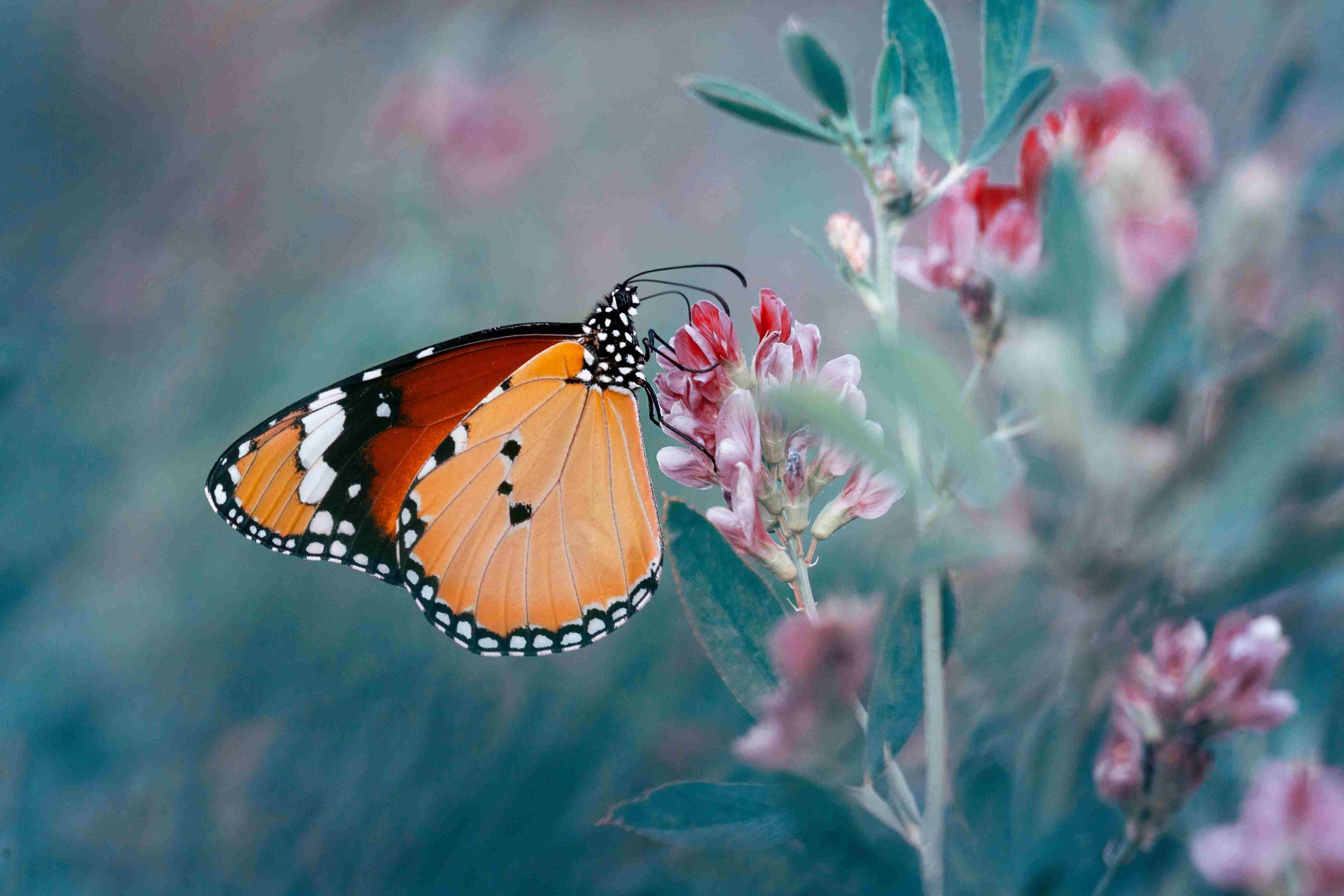
Madagascar is known for the lemurs that inhabit the island, for its endemic flora and for its population, but the island is also home to a wide array of significant lepidoptera. Both by day and by night, a wide variety of butterflies can be found on the island. They take refuge in the island’s primary forests, in green spaces, or even in the heart of Malagasy villages.
Divided into two main groups, these butterflies are observed in Madagascar at different times: by day, it is the Rhopalocera that take to the skies, whilst by night it is the Heterocera that do so.
Day and night, this insect captivates many lepidopterists. They study their lifestyles, the specific characteristics of each species, and their role within their habitats.
In this article, we’ll show you how to catch butterflies both by day and by night. Let’s get started.
Day-flying butterflies
Diurnal Lepidoptera consist mainly of species with club-shaped antennae. These generally belong to the Rhopalocera group. They live in forests, on the edges of woodlands and in any wooded areas where there is greenery. Indeed, these butterflies feed on leaves and fruits of all kinds, and these habitats are perfectly suited to their development.
Another characteristic of diurnal butterflies is that, when at rest, their wings usually fold into a crest along the top of their backs. They also have a slimmer body than moths, and the colours of their wings are more vivid than those of their nocturnal counterparts.
How to attract diurnal butterflies.
Perch capture
A technique that involves catching the butterfly whilst it is at rest, perch capture is a method used to catch the butterfly whilst it is feeding on a leaf or resting on any type of surface. Its advantages include ease of execution and reduced risk to the butterfly. Furthermore, the method is less stressful for the butterfly, which will experience less distress than with other capture methods. The procedure is carried out using a butterfly net.
Catching on the fly
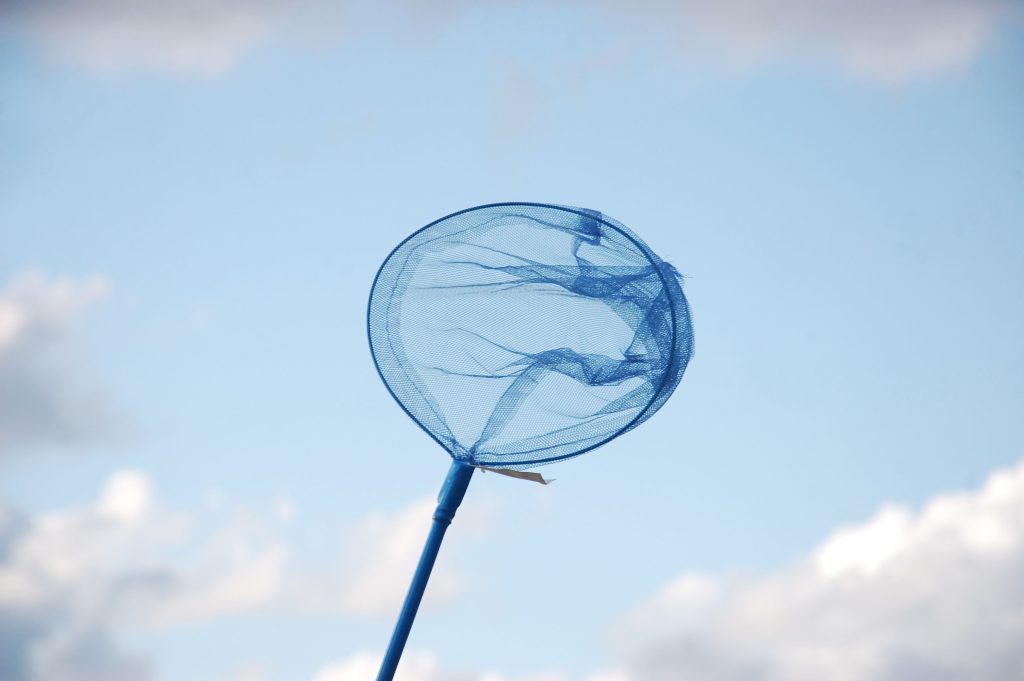 As the name of the method suggests, catching a butterfly on the fly means catching it whilst it is in flight. This is done by making a sweeping sideways movement with the net to intercept the insect. As soon as the butterfly is inside the net, a flick of the wrist is required to tip the net fabric over the hoop to prevent the butterfly from flying away.
This is the best-known method for catching butterflies, and is widely featured in films, TV programmes and all manner of audiovisual media. The method can prove risky if the catcher is inexperienced or inattentive.
An alternative to catching butterflies during the day.
Butterflies are calm insects and are easy to approach with a little patience. For this reason, diurnal butterflies do not always need to be caught in order to be observed. A good pair of binoculars or a good camera lens will allow you to observe a butterfly to the full.
Moths
Moths, or Heteroptera as they are known by their scientific name, are characterised by their variety and their size, which is generally larger than that of butterflies. The world’s largest moth is the Atlas moth, whilst the largest moth in Europe, the great peacock moth, is also a moth.
Moths usually have a fine layer of dust on their wings, which makes them difficult to catch.
How to catch a moth
The light-sheet technique
A method requiring minimal equipment, the light-sheet technique is one of the oldest methods for catching moths. As it requires little equipment, it is very popular amongst lepidopterists of all generations.
To set up the light-sheet method for catching moths, simply spread the white sheet over an open outdoor area and shine a lamp on it so that it is fully visible. The moths will approach of their own accord, and you can then observe and handle them as you wish.
The honey method
Some butterflies prefer honey to light, so to catch them we recommend coating a tree trunk with honey and checking it regularly. This method is not widely used, but it is just as effective for certain species of butterfly.
Butterfly nest
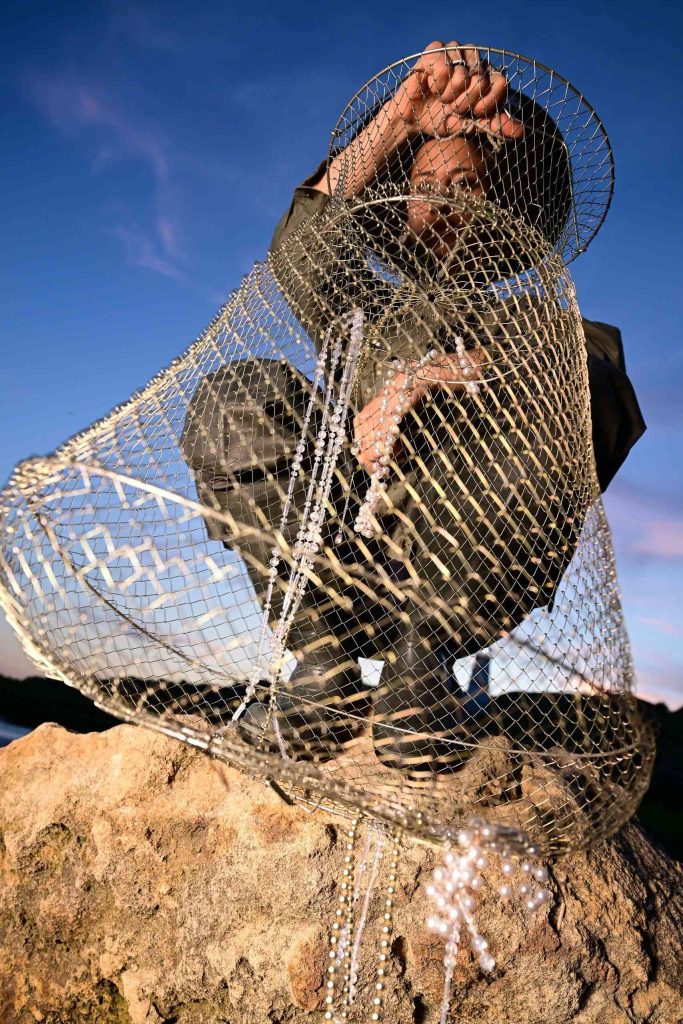 The butterfly nest is a technique designed for those who wish to capture butterflies directly without handling them. It is a specialised device resembling a fish trap, with the difference that the hook is replaced by light and specific pheromones.
The device is foldable and can be purchased from almost all specialist lepidopterology shops.
How to handle my butterfly once it has been caught.
The rules for handling your butterfly once it has been caught are simple:
- Do not hold butterflies by their wings, as this could damage them; instead, hold them by their abdomen.
- Do not hurt your butterfly by breaking off a leg or an antenna.
- Once you have made your observations, you can release the butterfly back into the wild.
In conclusion, both day and night-flying butterflies are caught in different ways. To increase your chances of catching a particular species in your nets, it is nevertheless important to be in its natural habitat, where there is vegetation that serves as its food source, and to have plenty of patience.