The Nyiragongo and Nyamuragira volcanoes: open-air lava pits
The Congo is a country renowned for its equatorial climate, its subsoil rich in various minerals, its young and dynamic population, its legislation favourable to foreign investment, and its unique land law. It has inherited Belgian colonial legislation, modelled on the Romano-Germanic system and based on the Napoleonic Code of 1804.
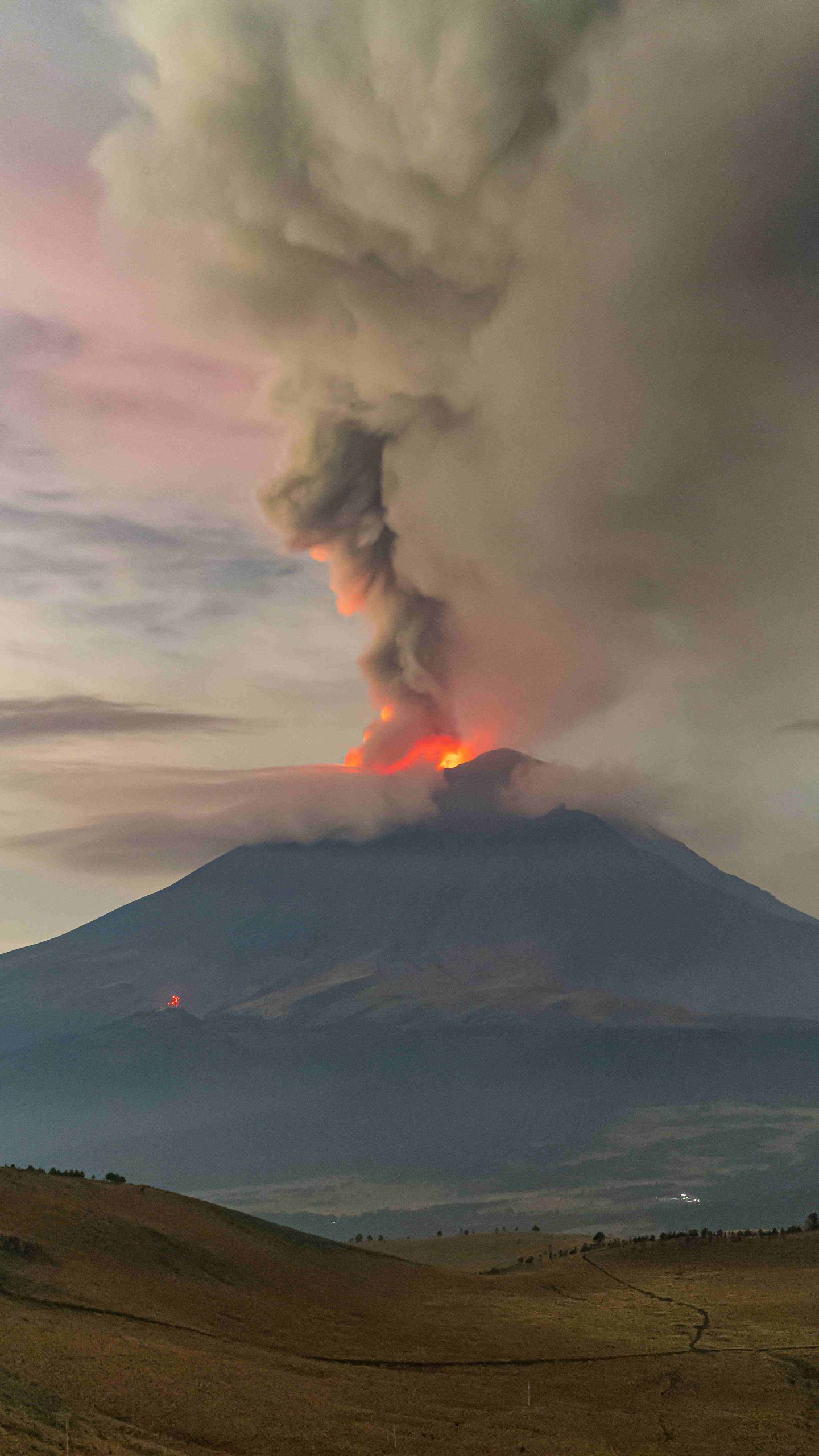
Amidst this vibrant mix of individualities, the country, situated on the equator, also boasts two active volcanoes on its territory. It is one of nearly 80 countries with mountains of burning embers on their soil. In the Congo, it is the Nyiragongo and the Nyamuragira that erupt with bewildering bursts of fire, heating both the sky and the earth with their incandescent lava.
In this article, we take a closer look at these two mountains filled with magma, situated at the boundary between the Earth’s core and its surface: fragments of the Earth’s crust.
Ancient volcanoes
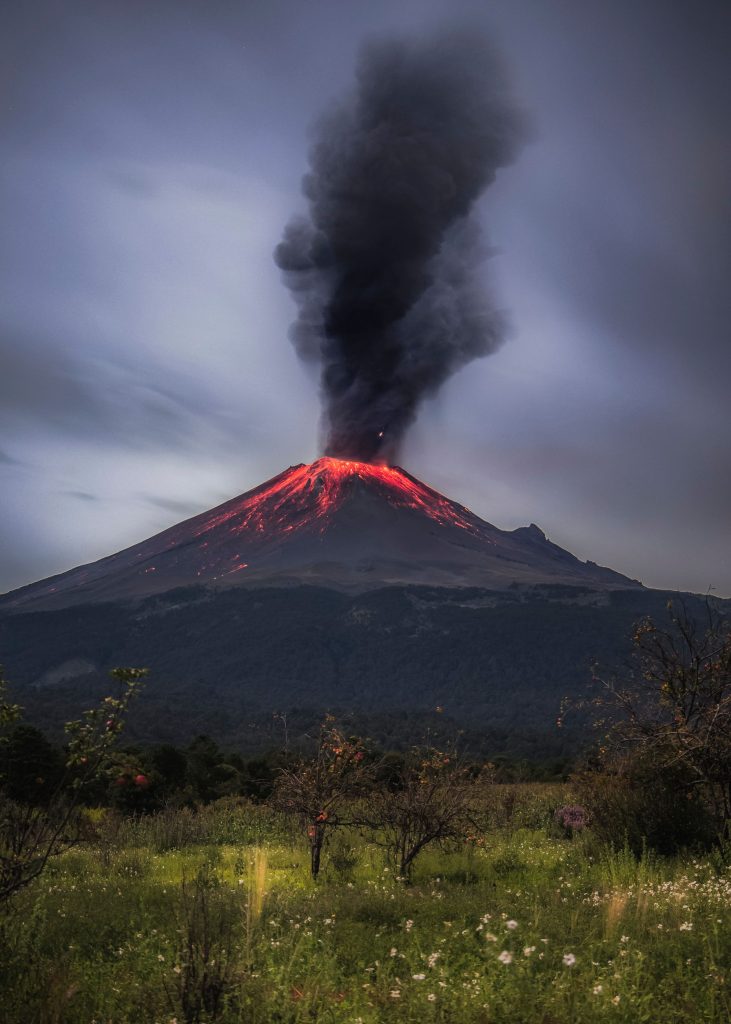 Estimated to be between 12,000 and 50,000 years old, Nyiragongo and Nyamuragira are active volcanoes located in the east of the Democratic Republic of the Congo, within Virunga National Park. These are active volcanoes, with their most recent eruptions dating back to 2021 and 2026. They stand at an altitude of approximately 3,470 metres and 3,058 metres respectively. Situated near Lake Edward, they are sites under close scientific monitoring due to the geological activity they generate. Specifically, they are primarily effusive volcanoes; that is to say, the lava emissions produced by these volcanoes consist almost entirely of fluid lava flows. The lava flows rapidly due to the lava’s low viscosity; the summit craters of the volcanoes are generally very active areas with visible lava and smoke.
The two volcanoes are located approximately 14 km apart as the crow flies; although both are active, they do not share the same magmatic system: their magma chambers are distinct and independent. Furthermore, the magma they erupt is separate from one another.The magma of Nyiragongo is rich in alkali metals and very low in silica; it is one of the fastest-flowing magmas in the world and has very low viscosity. The magma of Nyamuragira is more typical, with a composition that falls between basanite and tephrite; its flow is typical of that commonly observed in a continental volcano.
There are several types of volcanic morphology: shield volcanoes, stratovolcanoes, fissure volcanoes, volcanic domes, calderas, cinder cones, explosion craters, monogenic explosive fields, trapps, and mid-ocean ridges.
The two volcanoes in the Congo are, respectively, a stratovolcano (Nyiragongo) and a shield volcano (Nyamuragira). A stratovolcano is characterised by steep slopes and a virtually permanent lava lake, as is the case with Nyiragongo. A shield volcano is defined by a broad, flat base and frequent eruptions; these are the characteristics of Nyamuragira. Both volcanoes are managed by the government body, the Goma Volcanological Observatory. They both share the same geological rift, formed from the western branch of the East African Rift: the Albertine Rift. They are the two most active volcanoes in Africa.
Unique wildlife
Virunga National Park is home to the two volcanoes, Nyiragongo and Nyamuragira. It is an important park in the country because, as well as being home to the two main volcanoes on the African continent, it is home to unique flora and fauna. Overall, the park covers an area of approximately 7.9 km² and is home to nearly 218 species of animals. It is home to the country’s largest mammals, great apes, large mammals, large birds, large amphibians and large reptiles.
The park was established on 21 April 1925 and is the oldest park in Africa; it was founded by Prince Albert II of Belgium. Many well-known figures have visited the park; Joseph Kabila, for example, has visited the park.
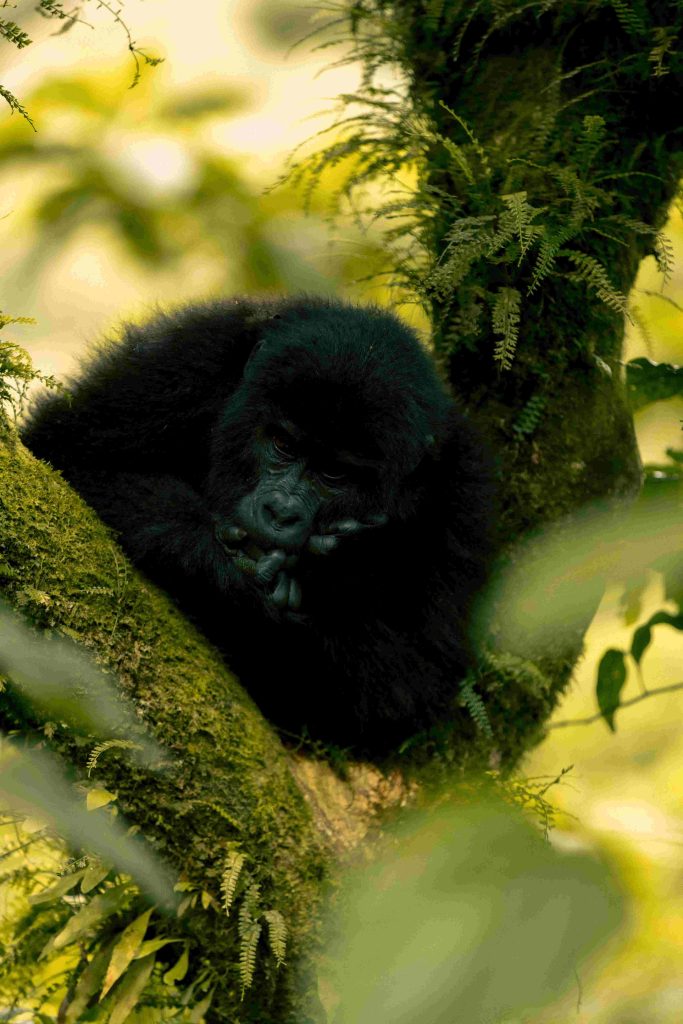 Three types of great apes are found in the park: the mountain gorilla, the eastern lowland gorilla and the eastern chimpanzee. These are three types of mammals whose main diet consists of fruit and leaves. These apes are mainly found in central Africa. They live primarily in groups and play a vital role in restoring the ecosystem.
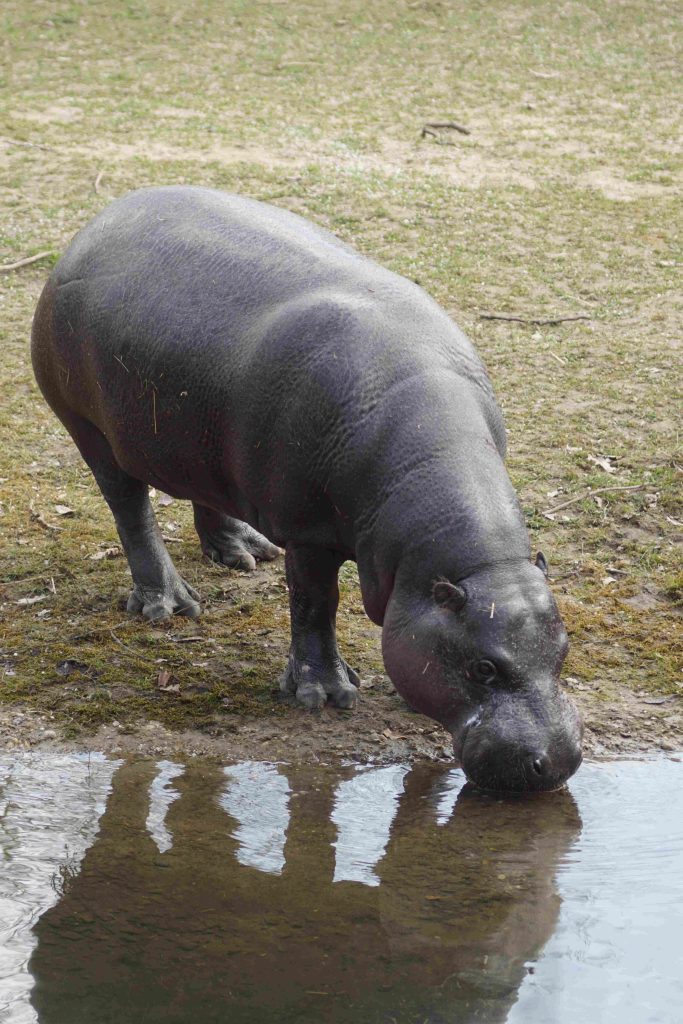 Virunga National Park is also home to other types of mammals, including the hippopotamus and the forest elephant, an imposing aquatic mammal. Both live near Lake Edward, which is situated within Virunga National Park. Mammals can also be found near Lake Albert, which is also in the DRC but not within Virunga National Park.
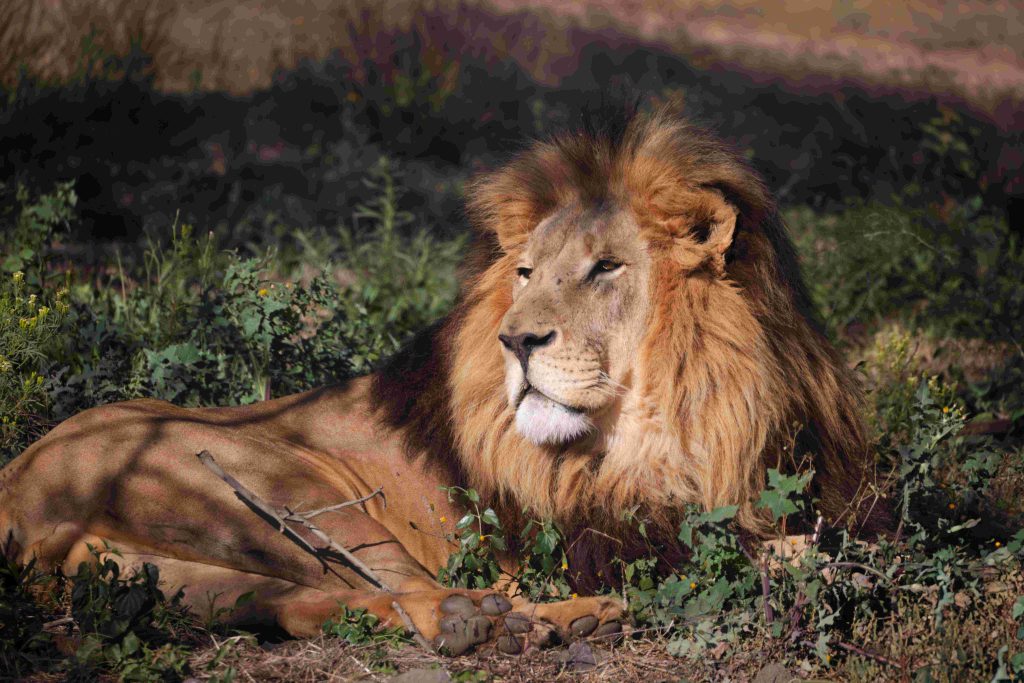 Among the carnivorous mammals, the park is home to the king of the savannah, the lion. This iconic mammal is distinguished by its famous golden mane. It coexists with other felines, and there are around fifty individuals.
The okapi, a famous ruminant and cousin of the zebra, can also be seen in Virunga National Park. It lives there in small numbers and is a mammal that is rarely sighted.
The park is also home to the buffalo and the Thomas’s cob.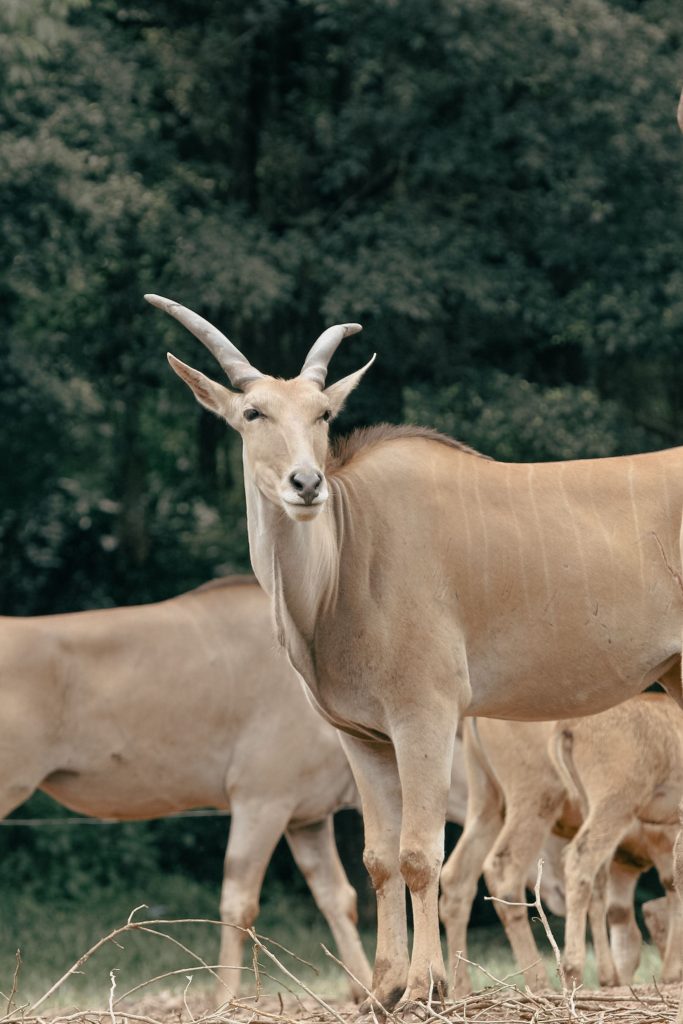
Goma Volcanic Observatory (OVG)
Volcanoes arouse as much interest as they do awe; in Goma, they are monitored by the official Goma Volcanic Observatory, which carries out scientific and technical monitoring of the two volcanoes. The agency is located on Mount Goma and reports directly to the Ministry of Research and Innovation of the Democratic Republic of the Congo.
Its main mission is to observe the two volcanoes, describe their volcanic activity and monitor their geochemical activity in order to alert the public and the government in the event of any activity.