Spanish influences and similarities in Madagascar.
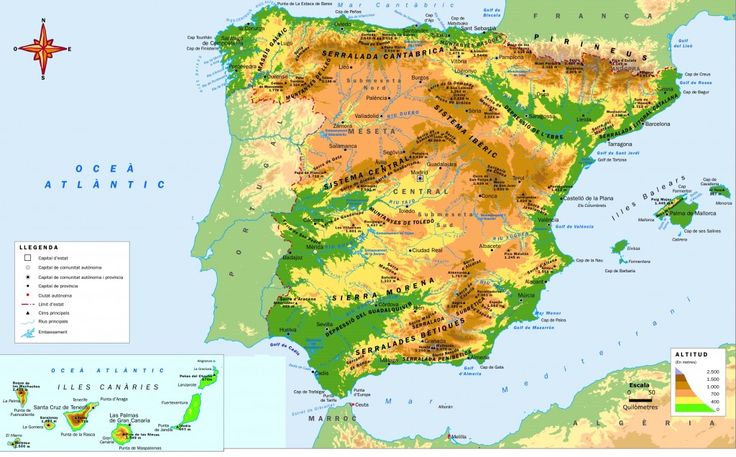
Spain is a country whose culture is deeply rooted in the global heritage, whether through its automotive industry, energy sector, banking sector, engineering expertise, or intangible elements such as its language, way of life and culinary arts. The country has a vast reach in terms of its products, values, customs and ideas. Spanish influences on the world are numerous, and many sectors globally look to Spain as a benchmark. Inditex, Banco Santander, Telefónica, Repsol and BBVA are among the most prominent examples. The African continent, and Madagascar in particular, is no exception to this Spanish influence within its borders: Flamenco Week, occasional military operations, and numerous events all reflect this Spanish influence.
It is no surprise that the Iberian nation is reaping the rewards of spreading its culture across the island. In this article, we take a look at these elements of Spanish soft power, which highlight Spain’s importance in the Malagasy world. From cultural events and government initiatives to grassroots projects, we tell you everything.
Flamenco Week
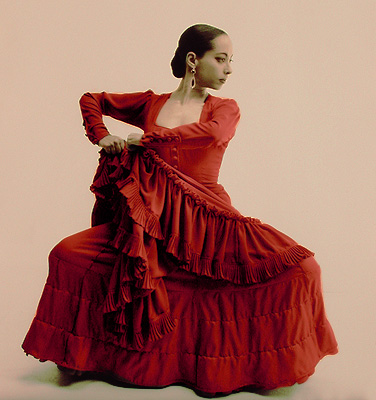 Flamenco is a traditional Spanish dance and musical genre. The term ‘flamenco’ literally means ‘flamingo’ in Spanish, a region in northern Europe spanning Hauts-de-France, Wallonia and the western Netherlands. However, the links between this art form and the North Sea region remain a mystery. It would appear that this dates back to the Eighty Years’ War (1568–1648) between Spain and the Netherlands, at which time the term referred to Spanish soldiers returning from the front to their homeland in Andalusia, bringing with them dances and customs that may have influenced the flamenco created 300 years later in the 18th century, drawing on their memories.
Historically, flamenco refers to a simple song accompanied by handclapping, followed by a dancer to enliven the vocal performance. The style has developed considerably since its emergence within the Gypsy community of Andalusia; the dances have diversified into artistic movements from salon bullfighting, belly dance choreography, highly refined finger and wrist movements known as floreos, and movements derived from Indian and Arabic dances. The handclapping has been enhanced with castanets and heel tapping, and the guitar—the style’s traditional instrument—is now accompanied by percussion instruments.
In Madagascar, the style is recognised and celebrated; since 2018, the capital, Antananarivo, has hosted Flamenco Week. During this event, Spanish and Malagasy artists celebrate the style throughout the capital. Dancers, guitarists, drummers and traditional artists perform in the capital’s theatres, universities, private schools and cafés.
Flamenco Week is a time when dance, song and Andalusian music take centre stage.
The bull, the zebu: an animal, a symbol.
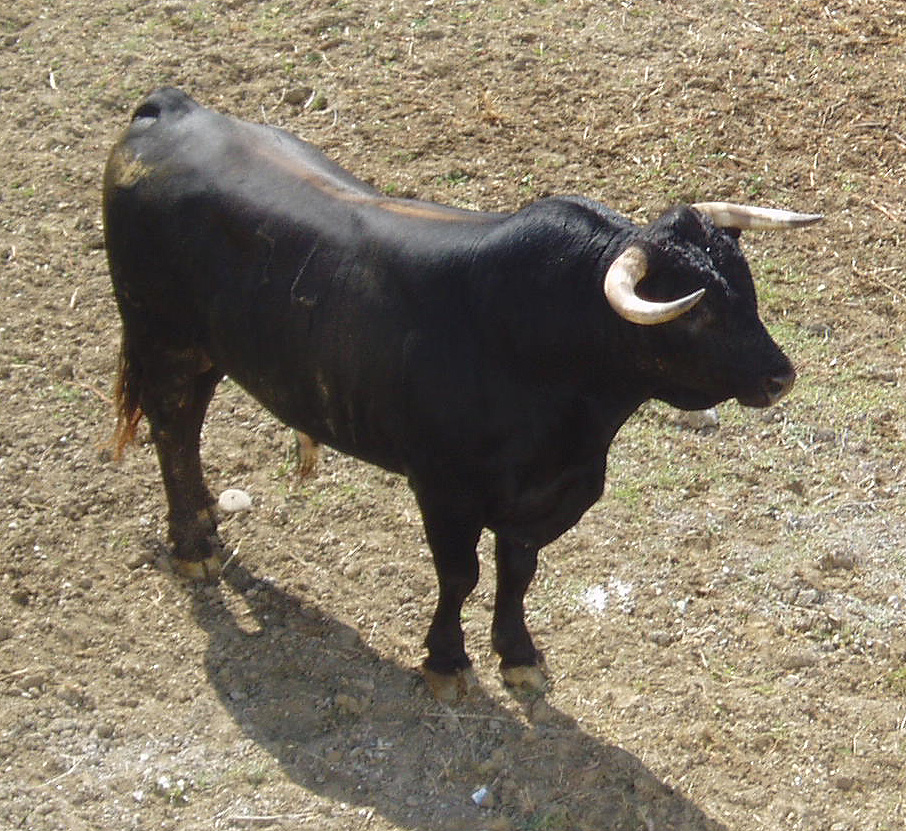 Whether by chance or circumstance, the bull is an animal that is cherished in both Spain and Madagascar. The significance of the animal is not the same in both countries, yet the emotions it evokes are similar.
In Spain, it symbolises virility, ‘breed’, distinction, strength, courage and cultural identity. It is particularly in Andalusia, again and again, where the cult of the bull is strongest.
Spain is known as the ‘Piel de Toro’, literally ‘the land of the bull’s hide’. Indeed, the animal lies at the heart of popular traditions, in both the south and the north: bullfighting, the encierro (bull runs), rejón bullfighting (bullfighting on horseback), the tienta or tentadero (a test to assess the bravery of young bulls in the arena), … The animal is imbued with powerful symbolism and is an inexhaustible source of inspiration for Spanish artists; it was depicted by Goya as early as 1825 and featured repeatedly in Picasso’s work right up to 1961, suggesting the animal has a bright future ahead.
In Madagascar, the bull is also a powerful symbol, representing love of the land, attachment to traditions, wealth, and life. Whilst the animal is not as closely associated with virility as in Spain, it remains a strongly masculine symbol. Indeed, the zebu, the local breed of cattle, is used by more than half of the Malagasy population to cultivate their land on a daily basis. The animal is also used to pull the plough and produce milk for each farm. As in Spain, the animal is the subject of bullfighting, particularly in the south-west, west and south-east regions where the practice is most common. It involves young men taking turns to ride a frenzied bull in order to subdue it. The game serves as a test of strength and a demonstration of courage for the young man. Zebu meat is also highly prized by the Malagasy people and is another important reason for the animal’s popularity.
Naval training operation
 In August 2025, the Spanish frigate Navara, flagship of the European fleet Atlanta, called at Diego Suarez with the aim of training Malagasy sailors to combat piracy and trafficking of all kinds. The mission lasted five days and was exceptionally well organised. It operated under the European flag.
The ship usually sails in the waters of the Gulf of Aden, the Indian Ocean and the Red Sea. Between 20 and 25 March 2025, the ship and its crew of between 100 and 200 personnel went ashore at Diego Suarez to train cadets from the Malagasy Navy. This was a one-off and exclusive mission; there are many similar European initiatives of this kind.
Rear Admiral Vázquez Sanz, Force Commander of the Atlanta, was in charge of the operation in Madagascar. He liaised with Captain Andry Guy Ohm Rafehizato.
Malagasy-Spanish cooperation for the development of tourism
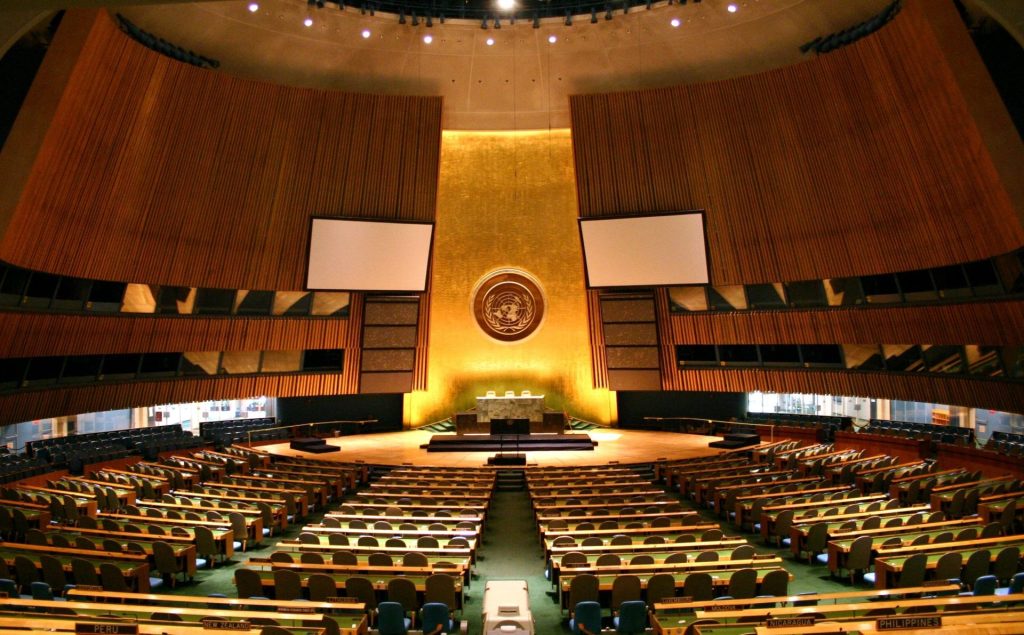 The tourism sector is an area that brings Spain and Madagascar together through a shared commitment: Madagascar actively participates in the various tourism initiatives organised by Spain within the sector. For example, Madagascar is a regular participant at the FITUR (Feria Internacional de Turismo) trade fair, held annually in Madrid.
Spanish nationals do not need to apply for a visa in advance when visiting Madagascar. They can use the electronic visa (e-visa), or they can apply for a residence permit, which is issued directly on arrival. Joint promotional activities are carried out between the two countries, highlighting the natural and cultural assets of each to boost tourism in both nations. In Madagascar, the Spanish market is identified as one of the 15 priority source markets.
Tourism is an important sector of the economy for both countries:
-Spain is the world’s second most popular tourist destination (94 million visitors per year) and the tourism sector accounts for 13% of the country’s economy.
-Madagascar, which receives a smaller number of tourists annually (350,000 visitors per year), still derives a significant proportion of its GDP from tourism – approximately 15%.
A history shaped by crossroads
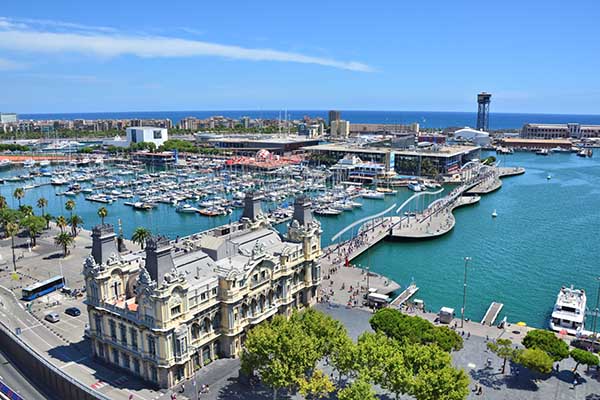 Madagascar and Spain both have extensive coastlines, stretching just under 5,000 km in Spain (4,872 km) and just under 6,000 km (5,800 km) in Madagascar. The oceans and the sea are important elements in both Spanish and Malagasy culture. The Atlantic and Indian Oceans have always been a source of maritime activity for both countries.
Indeed, whether in Spain or Madagascar, the sea holds great significance in people’s minds: Spain was one of the first countries to send missionaries and explorers across the globe to discover new lands, and Madagascar is renowned for its fishermen and the seafaring skills of its people in the surrounding islands.
Spain has, in fact, been a historic crossroads and hub for sailors and travellers of all kinds wishing to reach the Americas, Africa, India, or, more rarely, other European countries.
As for Madagascar, with its status as the fifth-largest island in the world, it has long been a historic crossroads for trade, piracy, and trafficking of all kinds.
Shared by these strong maritime attractions, the two countries share significant similarities regarding their relationship with the oceans. Both are open and welcoming to visitors to their territories.
Geography: Between Mountains and Beaches
 One thing Spain and Madagascar have in common is their terrain; both countries are dotted with numerous mountains and hills. One could easily be mistaken for the other, so similar are the landscapes. The best-known mountains on the Iberian Peninsula are the Sierra Nevada, the Pyrenees and the Cantabrian Mountains. In Madagascar, the famous mountain ranges are the Tsaratanana Massif, the Andringitra Massif and the Ankaratra Massif. It is worth noting that the Spanish mountain ranges are higher in altitude, making them more attractive areas for hiking and all kinds of mountain sports.
A passion for seafood
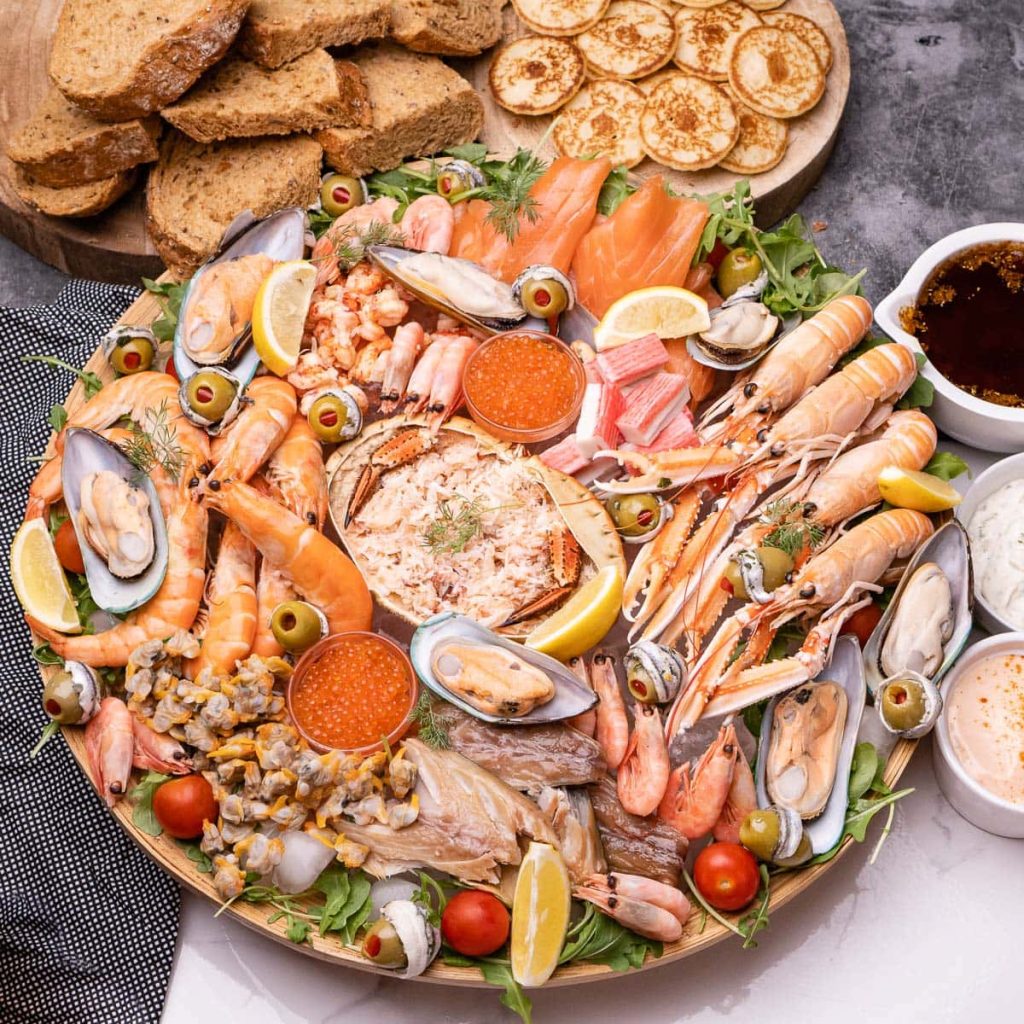 In Madagascar, as in Spain, people love to eat seafood. There are many varieties of fish consumed in Spain, and similarly in Madagascar, numerous species of fish are cooked.
(Highly) endemic biodiversity
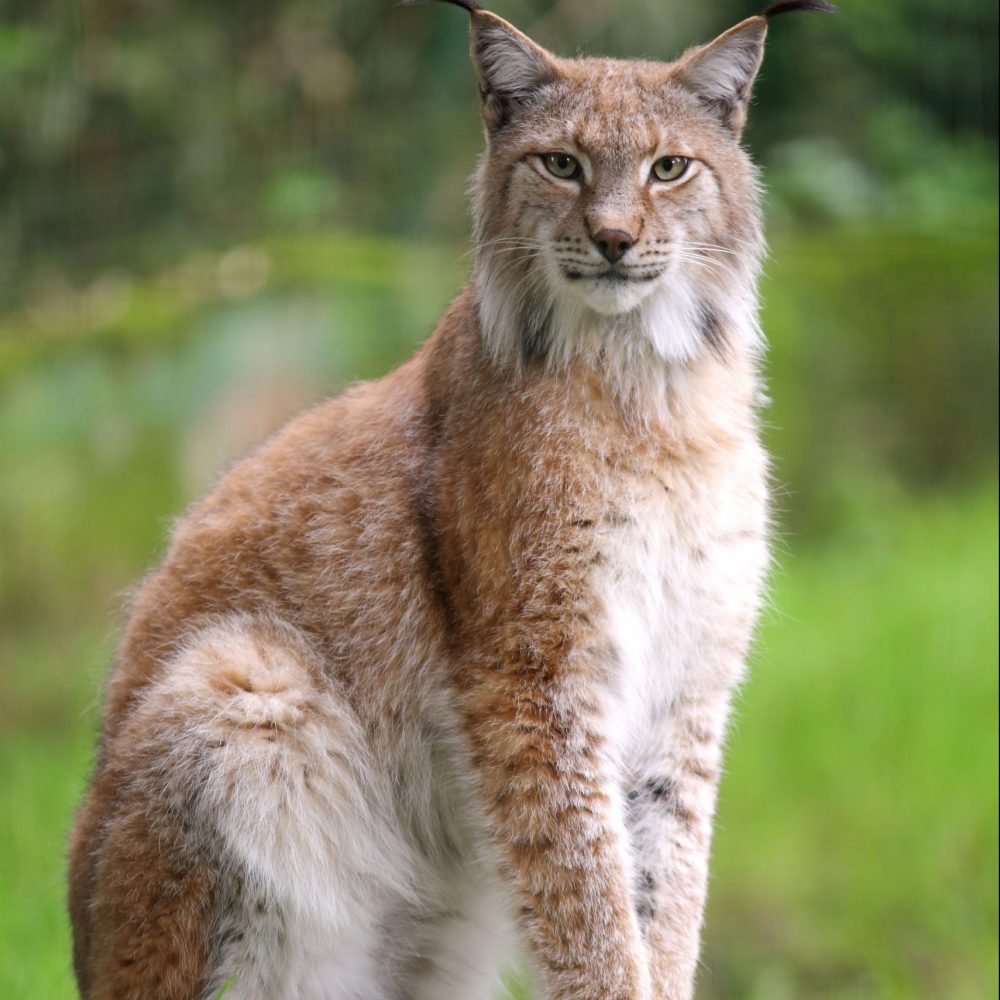 Spain boasts the richest biodiversity in Europe, home to the Iberian wolf, the lynx, the Cantabrian brown bear, the imperial eagle, the bearded vulture and many other species… Spain’s biodiversity is one of the country’s greatest assets and a key factor in its reputation.
Madagascar is no exception in this regard, as 90% of the species found on Malagasy soil are endemic to the island. These include lemurs and plant species such as the baobab or specific types of orchids; the island is home to rare wildlife, and this is its strength.
One thing the two nations have in common with regard to this wealth of flora and fauna is their conservation efforts; both nations are striving to protect fragile ecosystems in the face of climate challenges.
A love of ‘fiesta’ and socialising
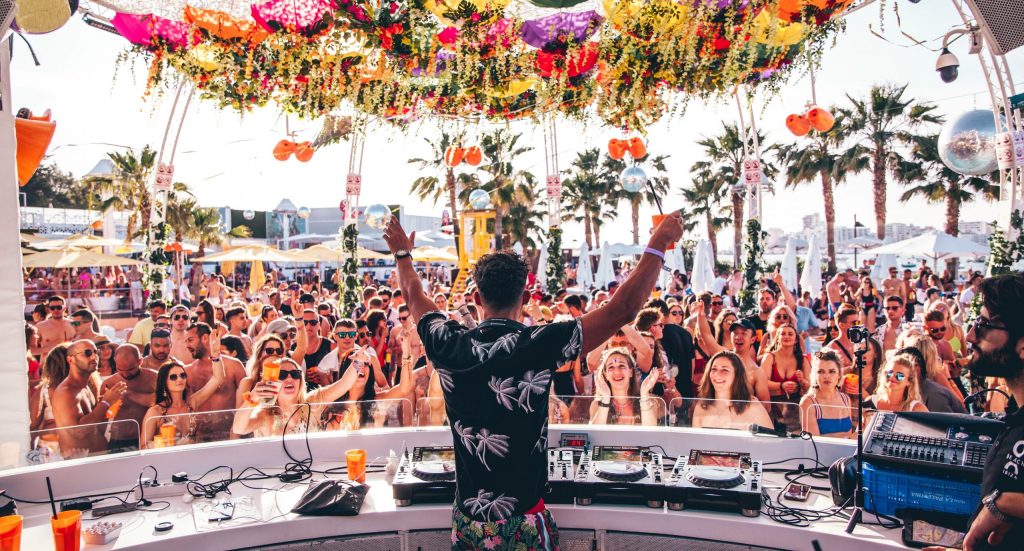 One final point shared by Spain and Madagascar is the love of relaxing moments spent with friends or fellow countrymen. People love to party just as much in Spain as they do in Madagascar. Whilst Spain enjoys the wildest nights, with international coverage of its events – DJs from all corners of the globe and revellers from across Europe (and sometimes the world) –
Madagascar has its own attractions; every year, Madagascar hosts the Donia Festival, which welcomes visitors from across the island and the wider region. The welcome is warm, and magnificent moments of social life take place outdoors.