Tourism and sport
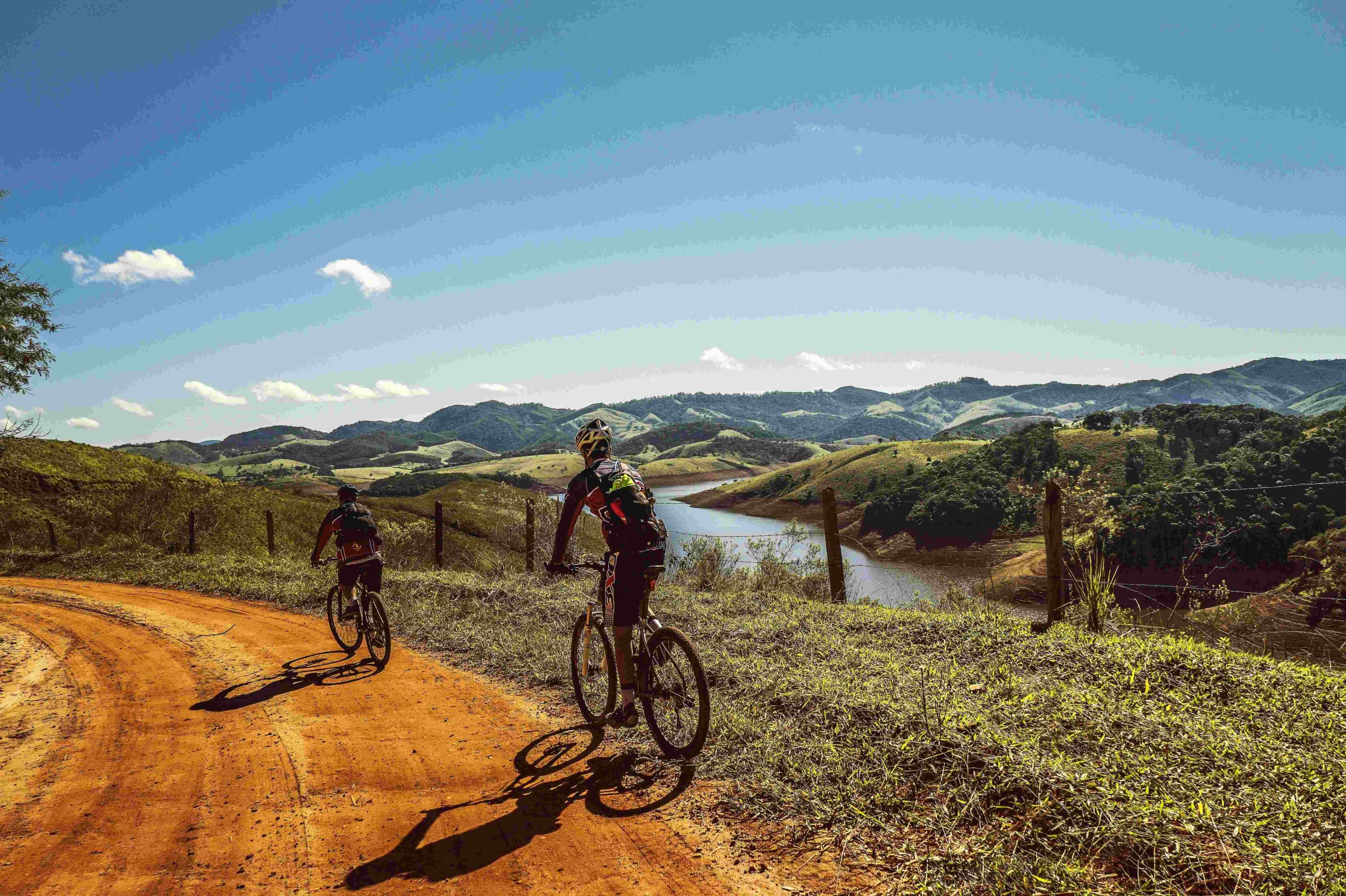
Tourism is a major industry in Madagascar, creating nearly 70,000 jobs and accounting for nearly 13% of the country’s GDP. The sector contributes to the country’s positive development and enjoys a positive image among the population. The travel industry works very well with other sectors, such as manufacturing, fashion, land use planning, agriculture, and sports. The tourism sector is teeming with connections because it is primarily linked to culture and life, and it is in sports that tourism has a strong connection. In Madagascar, as in many countries, when sports are doing well, so is tourism.
In this article, we look at the impact of sport on tourism in Madagascar. We tell you all about the physical activities that are good for tourism, the athletes and the organizations involved.
We will first examine local sporting events that benefit tourism in Madagascar, then look at major competitions and their impact on travel to the big island. We will continue with the issues surrounding sport and travel in Madagascar, and finally, in a fourth stage, we will look at the challenges facing sport and tourism as collaborating sectors.
1- Local sporting events that promote tourism: Island Games, Youth and Sports Commission, Indian Ocean Club Champions Cup, Indian Ocean Star.
Sport has always been a showcase for tourism: it brings spectators together, gets them moving, and turns them into consumers who are ready to relax and enjoy their passions. It is during major sporting events that advertisements and commercials of all kinds are broadcast.
Sporting events have several things in common with tourism: they require travel to the competition venues and therefore necessitate a stay in a hotel.
Whether short or long, sporting events, shows and competitions offer a dynamic image to participants and the host region. Through association of ideas and by extension of cause and effect, direct or indirect links with the athletes observed are perceived as athletic, robust, serious and sporting.
Both small and large competitions benefit from this analogical effect, which has been analysed during the observation of sporting events.
Indian Ocean Island Games
A sporting competition held every four years, the Indian Ocean Island Games, or JIOI, is a sporting competition bringing together seven nations in less than ten disciplines. The last edition of the games took place in 2023 in Antananarivo, Madagascar, and the next edition will take place in 2027 in the Comoros, marking the 11th edition of the Island Games.
During the JIOI, the host country sees an increase in the number of cross-border visitors and benefits from the enthusiasm generated by the competition.
Youth and Sports Commission
Created in 1988, the Youth and Sports Commission is a committee dedicated to promoting sport and the development of young people through sport. It is aimed at young people aged 14 to 17 and involves seven countries. Athletics, football, volleyball and tennis are played, the event takes place approximately every two years and is a prime tourist showcase for the participating countries. The event is followed by numerous media outlets and introduces young minds to new flavours and external perspectives.
The Indian Ocean Champions Cup
A football competition bringing together countries from the Indian Ocean, the Champions Cup was created in 2011 and takes place every year. Its advantage is that it brings together the same countries that participate in the Island Games, offering greater penetration between these countries. The competition lasts about a week for six participating clubs. The competition attracts a large number of spectators and provides excellent publicity for destinations in the Indian Ocean.
The Indian Ocean Star
The Indian Ocean Star is a cycling competition held on Reunion Island. It was created in 2002 and is open to cycling enthusiasts. For the tourism sector, it is an unrivalled showcase for the island’s landscapes. What’s more, all nationalities can take part in the competition. The competition lasts five days and is broadcast on all the island’s major TV channels.
2- Major competitions: significant impact on tourism.
The major competitions with a significant impact on tourism are the Africa Cup of Nations football tournament, the Africa Cup of Nations basketball tournament, and the Africa Cup of Nations rugby tournament.
These competitions have a major impact on the visibility of the territories because:
- they bring together several participating countries, thus attracting more spectators
- they last longer, generating more revenue from the organisation and the event itself
- they offer much larger cash prizes than other sporting competitions
- they are organised more professionally and broadcast in several countries around the world, giving them international visibility.
For these reasons, these sporting competitions have a significant impact on tourism in the various participating countries.
For the host country, it is an opportunity to demonstrate its organisational skills, security reliability and human qualities in terms of sport, as well as the quality of its hospitality. It is a showcase for the participating countries, but also for spectators of the sporting competition, of the qualities of the population: in logistics, community organisation and understanding of others. Hosting a competition leaves a calling card for the host country, like a signature of its know-how and human skills. A well-organised competition will leave a positive image of the host country, encouraging tourists to return and foreign investors to invest there.
For participants, a team that makes a splash on the sporting front and puts on a good show during the game will give a dynamic image of its country and encourage spectators to take an interest in its territory.
3- Challenges facing sport and travel in Madagascar: a young country brimming with talent
The average age in Madagascar is 19.2 years old in 2025, which is 10 years younger than the global average (30.2 years). The country is rich in sporting talent and sports enthusiasts, as evidenced by:
- its 2nd place in Africa for 3-on-3 basketball in 2024
- its 22nd place in Africa for 5-on-5 basketball in 2024
- its 2nd place in Africa for 11-a-side football in 2025
- its 3rd place in rugby sevens in 2024
In Madagascar, sport is important, just like learning foreign languages, and is instilled in young people at school and at home. Short physical activities are often common among people in their thirties as a way of keeping fit and staying healthy.
In addition, the country has many assets that make sport a lever for travel and development:
- more than 32 small public stadiums with 1,000 seats in the surrounding area, the ‘Manara Pentra’ stadium
- a school programme that requires physical training during the week
- gyms and swimming pools plus athletic equipment available in the island’s major schools
Sport plays a central role in Madagascan society and its development alongside tourism is growing.
However, there are still challenges to be overcome in order to make sport a sustainable showcase for the country and a key driver of tourism:
- the lack of strong Madagascan sporting personalities such as local champions who can be followed on social media, particularly sporting role models
- promoting sport as a way to encourage travel to the island
4- Challenges for sport and tourism as collaborative sectors
Madagascar is a country known for its biodiversity, fauna and flora, which make it a unique place. The island also has exceptional beaches and landscapes that are classified as UNESCO World Heritage Sites.
In this unique setting, the big island has assets to promote. Every year, on International Sports Day, the Ministry of Sport organises the National Sports Fair, an important event that is broadcast nationwide.
Also, with 5,000 km of coastline, water sports remain marginal in Madagascan practices, with only a few coasts in the south-west and east being used for these sports.
Although the island has numerous public facilities, they remain difficult to access for temporary and spontaneous use by passers-by, travellers and explorers.
Several sports are rarely or never practised on the island due to their low popularity, and promotional campaigns would be a great way to popularise them.
Hosting and organising sporting competitions would give Madagascar an image as a sporting nation focused on physical culture at the regional level. This would strengthen its position as a country with a promising future among its five neighbours.
Being a major regional player in sport means new performances and new records for Madagascar, but it also requires significant financial investment, which is a challenge for the country both materially and monetarily.
Because stadiums host sporting matches and festive events, embarking on the development of sport in Madagascar with a view to combining sport and tourism is a way of attracting more artists to the island. Thanks to its large capacity, this is a prelude to the development of another sector that cooperates with the tourism sector: events.