The Comoros and its list of 10 endangered wild animals
The Comoros archipelago is famous for its multitude of islands, the diversity of its population, its fine sandy beaches and the fishermen who live there, its Creole dishes and exotic foods, but also for the diversity within its diversity. On land, at sea and in the air, there are endemic animals, some of which are on the verge of extinction, that are found only on the archipelago. Livingstone’s flying fox, the long-tailed butterfly, the Comoro lemur, the hawksbill turtle, the Anjouan scops owl, the Mohéli scops owl, the Karthala scops owl, the Karthala white-eye, the Grande Comore drongo and the dugong are all species that inhabit the Comoros archipelago and are found nowhere else. Lost in the middle of the Indian Ocean, across an area of around 1,862 square kilometres, these rare species live amidst a unique flora that serves as their habitat.
In this article, we’ll take a look at the animals that can only be seen on the Comoros islands. Let’s get started!
Livingstone’s flying fox
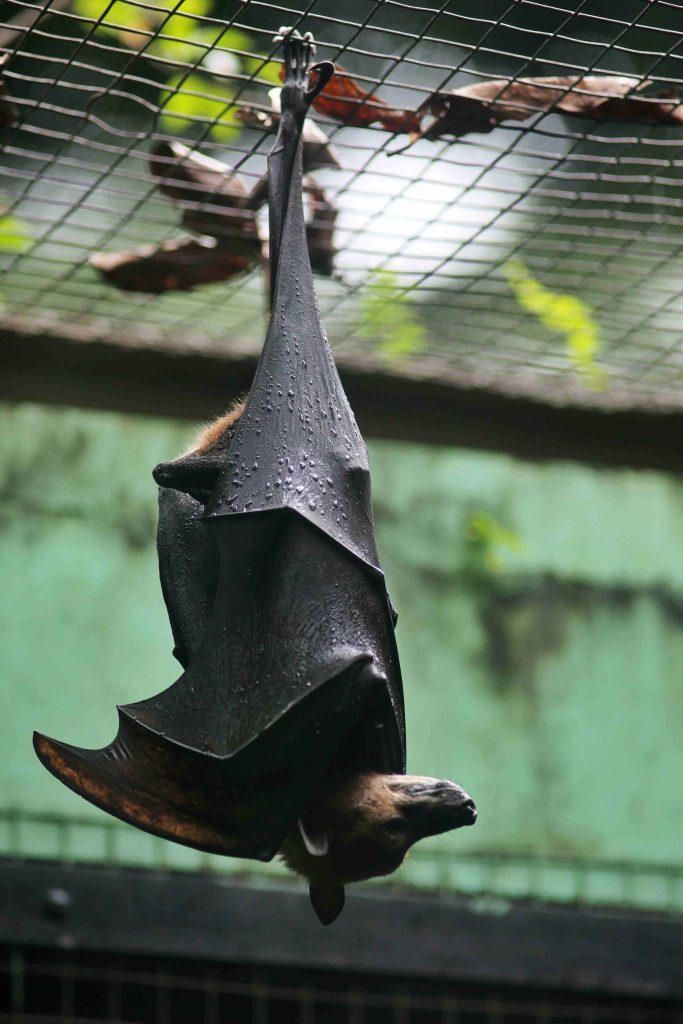 This is a giant bat that looks as though it has stepped straight out of a Walt Disney fairy tale; it measures around 30 cm in length, with a wingspan of 1.5 m and weighs approximately 1 kg. Contrary to what its imposing appearance might suggest, the species is not carnivorous but herbivorous. It owes its large size to a diet consisting mainly of fruit, flowers and pollen. When feeding, it is known to chew the pulp to extract the juice and often spits out the fibres and seeds. Almost like a human, however, it often frightens the inhabitants of the nearby villages where it makes its home, and is frequently driven out when it chooses to live close to people. Also a victim of deforestation, it is classified as a threatened species. It is frequently spotted near Dahari or in captivity at Jersey Zoo.
Long-tailed butterfly
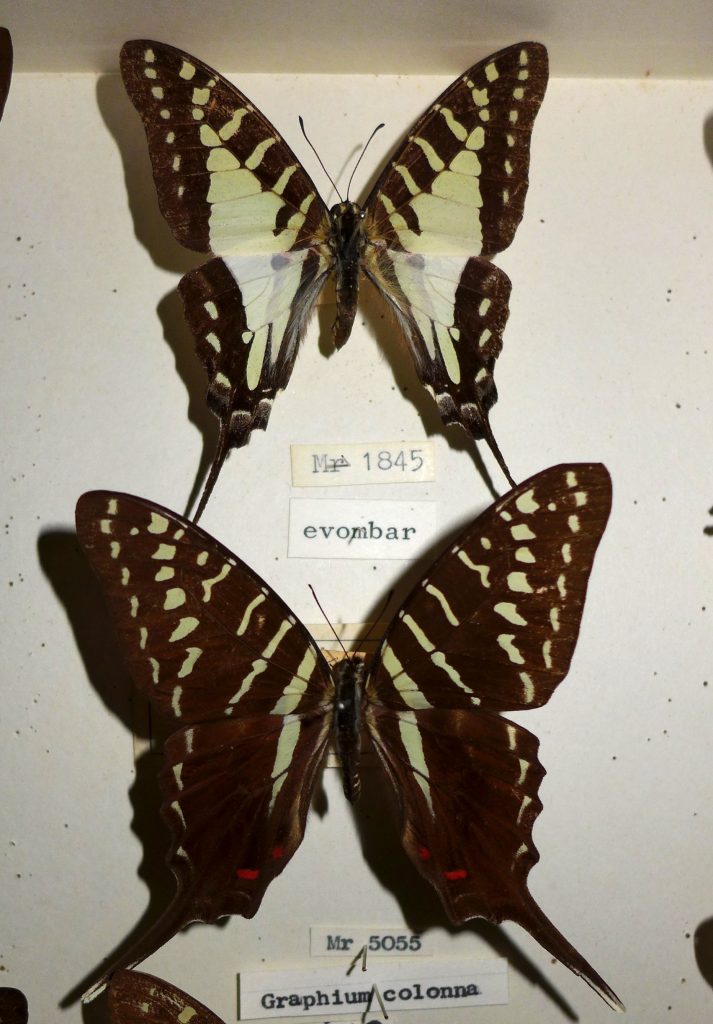 Known in English as the ‘Yellow Lady’ (Graphium levassori), the long-tailed butterfly is approximately 6 cm long and 10 cm wide and is threatened with extinction in the Comoros. It is a relatively large butterfly; it seems that large species do not fare well in the Comoros. Like all butterflies, it feeds on nectar, leaves and fruit. It is a yellow butterfly with black veins, whose natural habitat is found in the forests of the Comoros archipelago.
Comoro maki
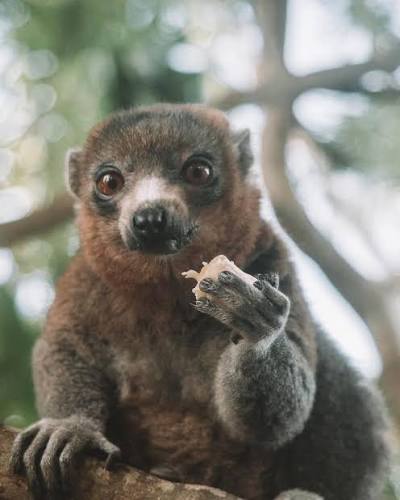 Another species threatened with extinction, this is a species of lemur that lives naturally outside Madagascar. It feeds mainly on fruit, lives in groups and is highly social. Its exuberant sociability is its downfall, as it is fairly easy to tame and is sometimes hunted by humans for food. The Comoro lemur is emblematic of the Comoros archipelago and is found on the island of Dahari.
Hawksbill turtle
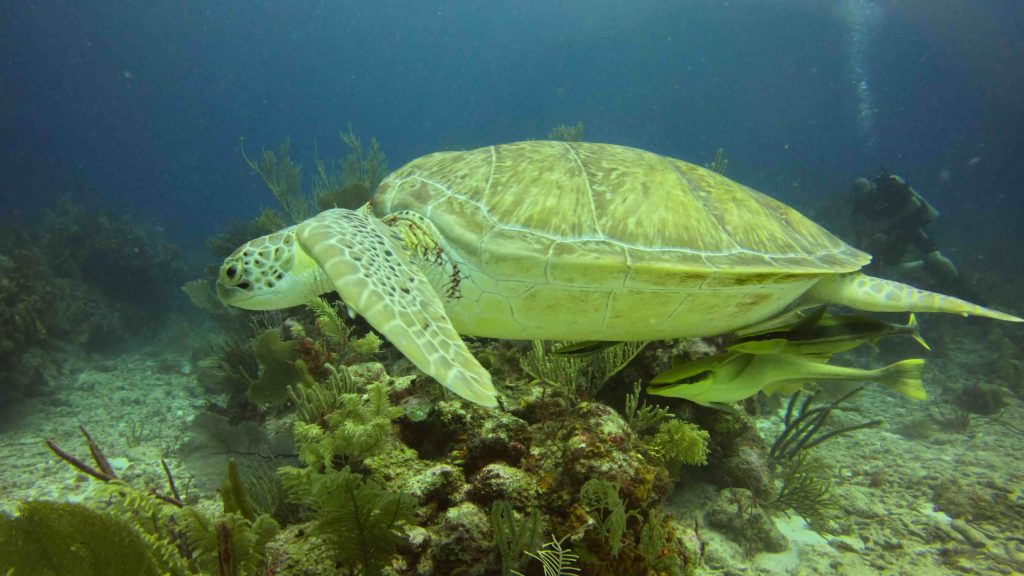 Found on Mohéli, particularly on the beaches of the Itsamia region or in the Mohéli Marine Park which protects the species, the hawksbill turtle is a rare species in the Comoros that perfectly epitomises the island. A sea turtle found both on beaches and in the oceans, it perfectly illustrates life on the island. It takes its name from its overlapping rear scutes. It is also an endangered species, not only due to the destruction of its habitat, but above all because of the poaching it faces. Its shell is highly sought after as a decorative item and is widely used in jewellery.
Anjouan Scops Owl
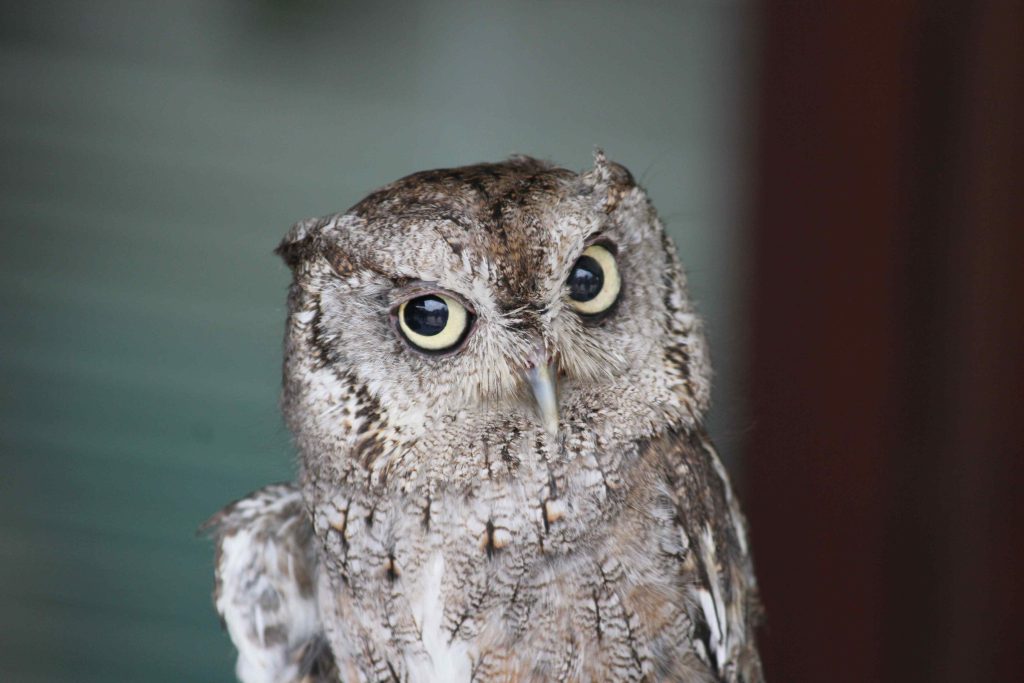 An owl endemic to the Comoros, the Anjouan Scops Owl is also an endangered species. It is not a large animal, but its conservation status is very much under threat due to the degradation of its habitat. It is a black owl found mainly on the island of Anjouan. It feeds primarily on insects, not on rodents or other animals.
Mohéli Scops Owl
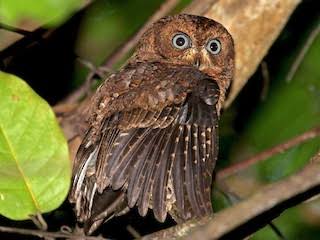 Another small animal, and one that is also endangered, the Mohéli Scops Owl is a brown owl found mainly on the island of Mohéli. Like the other owl that bears the same title of ‘duke’ in its name, it feeds exclusively on insects. It is in fact a closely related species, Otus capnodes (Anjouan Scops Owl) and Otus moheliensis (Mohéli Scops Owl), a bird of prey endemic to the Comoros archipelago.
Karthala Scops Owl
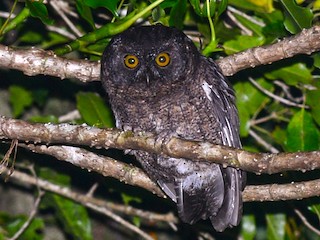 Last on the list of endangered Otus species, the Karthala Scops Owl (Otus pauliani) is a brown and black owl living on the island of Grande Comore. More specifically, it is found near the Karthala volcano, from which it takes its name. Like its fellow species, it feeds exclusively on insects and is a victim of the rapid and unchecked degradation of its habitat.
Karthala White-eye
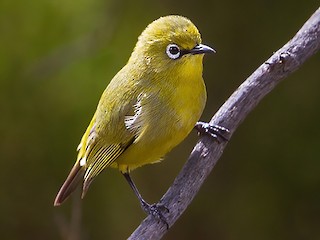 A small diurnal bird, the Karthala White-eye or Zosterops mouroniensis is a threatened species native to the Comoros. It resembles a sparrow but is entirely green in colour; it is found on the island of Grande Comore, often near Karthala, from which it takes its name. It feeds on seeds, nectar and fruit.
Grande Comore Drongo
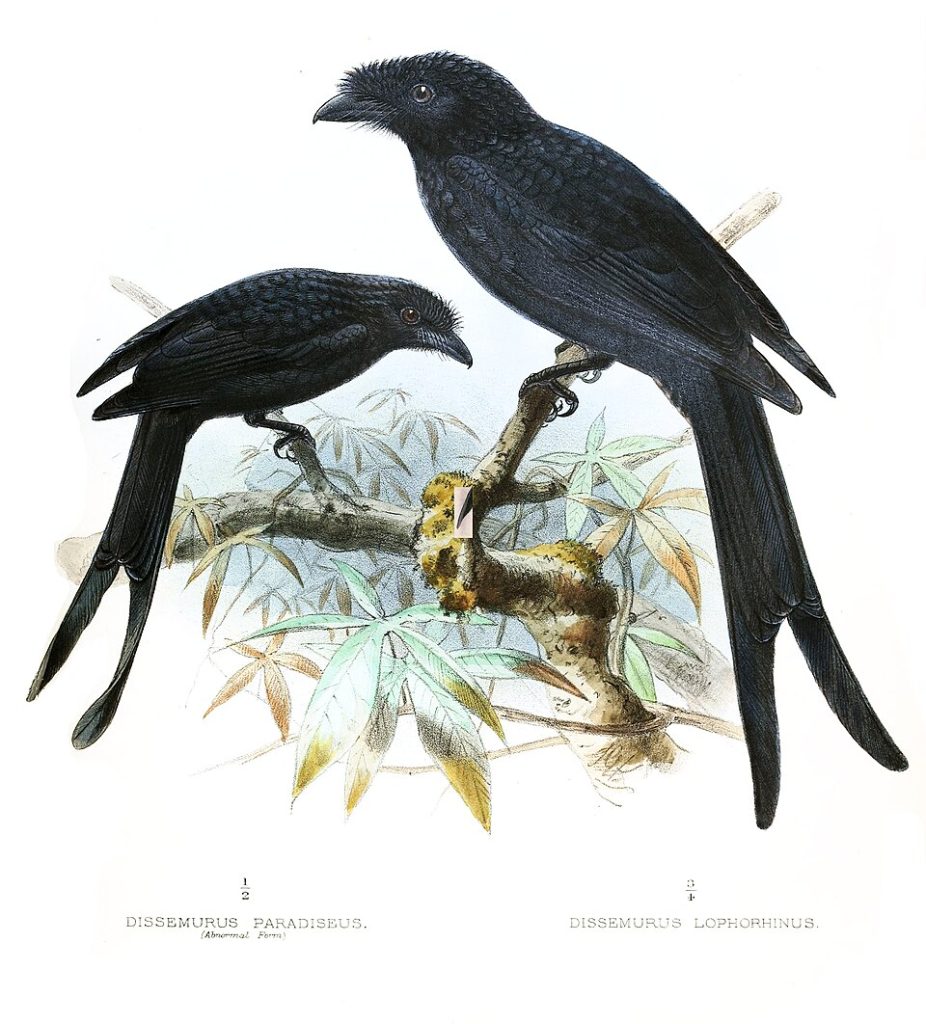 A species of black passerine, the Grande Comore Drongo (Dicrurus fuscipennis) is an endangered bird of the Comoros archipelago. It lives in the island’s tropical forests, which is why its population is declining. In appearance and size, it resembles a crow, although their diets differ: the Drongo, which lives in the tropical forests of the Indian Ocean, is insectivorous and has a forked tail. The crow, found in colder regions, is omnivorous and has a straight tail. Both species have the same black plumage.
Dugong
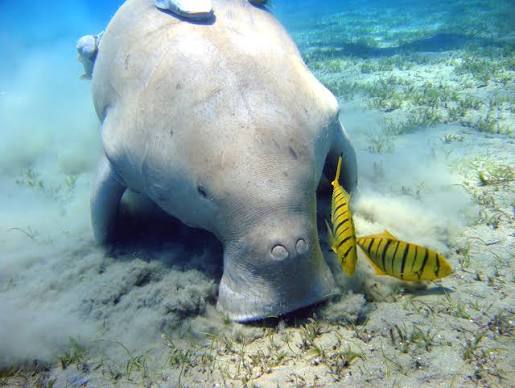 A marine mammal found in the deep waters of the Comoros archipelago. The dugong, along with the manatee, is one of only two representatives of the sirenian genus. It swims in the Indian Ocean, the Pacific Ocean and also in the Red Sea. It is classified as ‘Vulnerable’ by the IUCN. Also known as the ‘sea cow’, this marine mammal measures around 4 m in length and weighs 900 kg. Like an elephant, its snout ends in a sort of small, widened trunk. It has a pair of small, barely visible tusks and a total of 18 teeth; it can live for up to 70 years. Its population is smaller than that of the dugong, with an estimated 40,000 individuals in 2019. It is threatened by intensive fishing, collisions with boats and poaching, whilst pollution and coastal urbanisation are also detrimental to its habitat. It features in Jules Verne’s novel, *Twenty Thousand Leagues Under the Sea*.