From faces to trips.
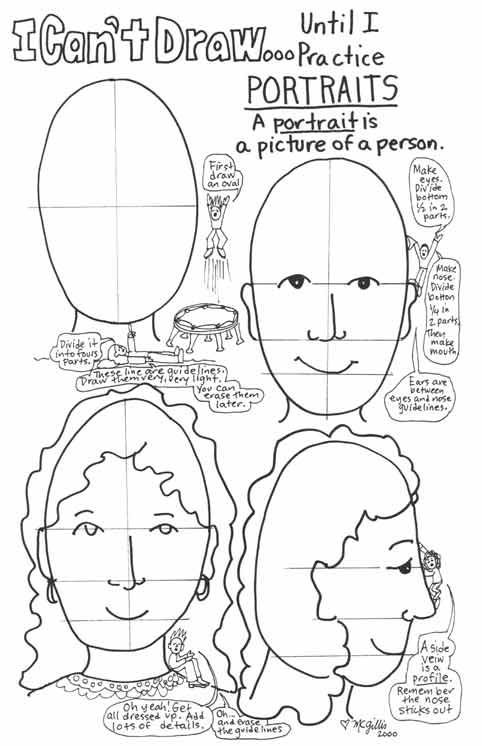
This is a face, we see it when we get up in the morning in front of our mirror. We also see it at work, but also when we travel. A face expresses words, emotions, grimaces, it is the identity of a person, his relationship to the world, more deeply a face is the identification of a nation and a race. A face is a culture, a cuisine, an escape, but also the other and oneself. In this article, we come back with you on the different faces, and the impact of the faces met in the journey. There are different types of heads, round, oval, square, triangular, hunchbacked… . There are heads that inspire love, heads that inspire hate, heads that inspire mathematics, heads that inspire fear, heads that inspire mechanics. There are heads for all tastes, and for all colors, in the article we will see with you the different types of heads, how we classify them, then we will see with you the relationship of our faces to work and then to travel.
A face starts with a chin, a mouth, lips, cheeks, a nose, ears, eyes and hair. Each element of the face has a different morphology, some elements have a particular design or present a particular attribute. When this happens, it is a mark of separation from the genetic heritage of the people being looked at.
The face is used to say good morning, it is also used to work, to discuss with colleagues, to negotiate with the boss and to ensure our children. Through the face we work and live, but then why do we sometimes need to see new faces, to change our repertoire of usual figures. What Google says, this need is the result of social, psychological and sometimes biological factors. It is people who have experienced bad weather in their lives who are more likely to recognize this type of need. The answer to this question is quite simple, when our emotions come to the end of their cycle, that is, when we are in a stereotyped reaction of our emotions with a pattern of frustration, our brain tends to have a need for novelty to comfort our brain in its honesty towards its stereotypes.
There are several types of figures, which can be classified by the size of their noses, the size of their lips, the size of their foreheads, their cheeks, the quality of their hair, it is a taxonomic work that we abstain from doing in this article. Each element of the body has its meaning on our character, organism, and habits; but also expresses a culture and the imaginary that sculpts us, this is what we will see together with you.
The different types of faces.
The South American face.
 The face most quickly assimilated to other faces from different geographical areas, the South American face is distinguished by the multitude of attributes that make it up. The South American, Argentinean or Brazilian face is very similar to the Caucasian face. In its white type, the South American face usually has an aquiline nose, thin lips with a relaxed cheekbone and satiny hair.
 In its black type, the South American face has the attributes of a normal African face, but with a more liquid, airy cheek than their African counterparts.
The oceanic face.
 The traditional oceanic face, is a brown face with straight hair, rounded nose, and tapered eye features. This is the face we will describe here in this section. The oceanic face inspires robustness and emotional diversity, and often has a wide jawline on the right and left. The cheek of the oceanic face is, therefore, wide and often bulging.
The African face.
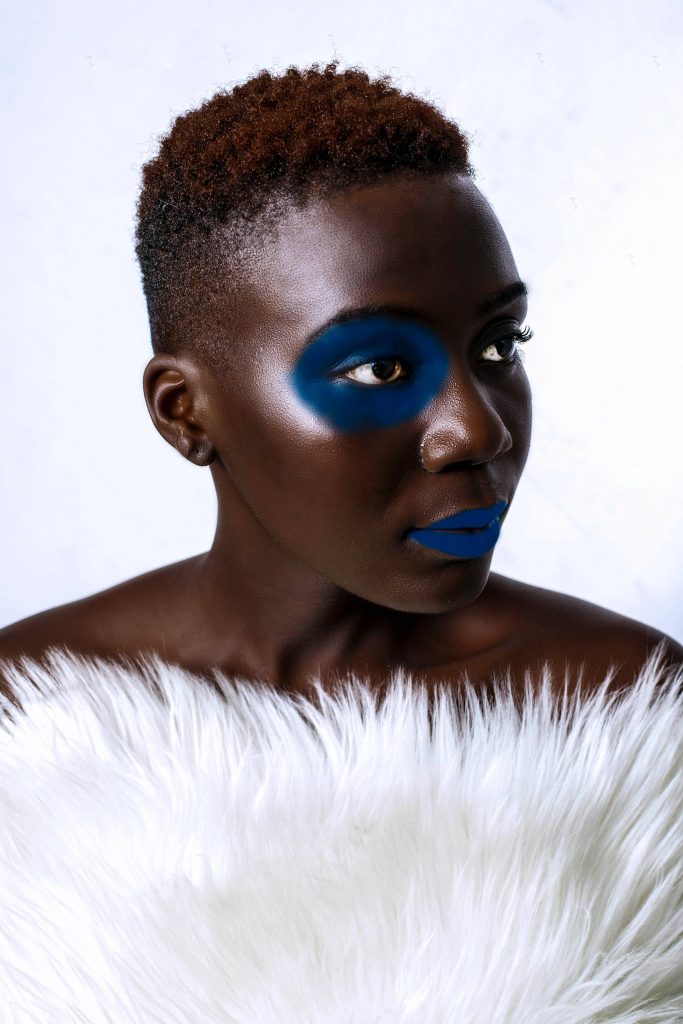 The traditional African face is black and is characterized by a blunt nose, full lips and curly hair. The African face is composed of multiple grimaces, which is what characterizes it. This face is distinguished by the use of its features for primordial masks, and for the strength of the emotions it projects.
The European face.
 The European or Caucasian face is characterized by a white skin, an aquiline nose and thin lips. It is found from the Atlantic to the Urals, and has been imported as far as Australia. Its hair is diverse and can be curly as well as blond, brown, or red.
The Norwegian face.
 Included in the European faces, the Norwegian face is characterized by an aquiline and fine nose, as well as by elongated ears. It is characteristic of the cold climates of Northern Europe, and is the most common face in cold countries.
The Jewish face.
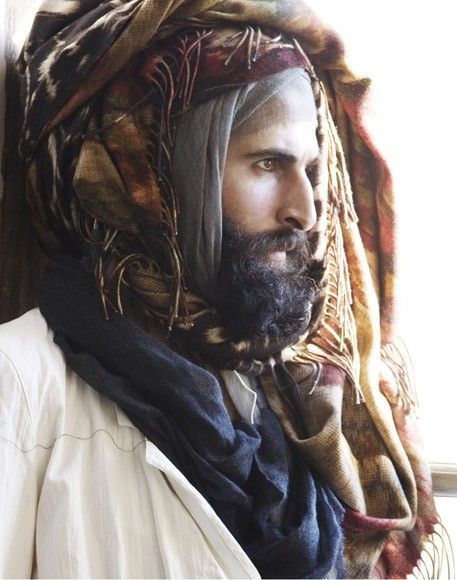 Face with an elongated nose and described as devious the Jewish face has pale skin and black hair. The face is found all over the world and can sometimes be confused with the European face.
The German face.
 A component of the European face, the German face is recognized by the firmness of its features. It has a characteristic forehead and its group.
The Asian face.
 A face with a yellow complexion, slanted eyes, and lacquered hair, the Asian face is characteristic of the Chinese culture. The face is characterized by a very volatile flow of emotions and a strong sensitivity.
The Chinese face.
 The underlying face of the Asian face, the Chinese face has a squarer skull shape than other Asian faces. Also, its lacquered hair is thicker than other Asian faces.
Its cheeks are often bulging and proceed of small characteristic dimples.
Our relationship with the face is multiple behind a face, emotions, concentration, prohibitions and authorizations. With a face, we express ourselves and we lead, there are many elements that pass through a face, grimaces, mimics and postures. When we feel sad, our face expresses it, in the same way when we feel happy, our face expresses it, our state of mind is expressed by our face. Our face says a lot about how we feel in the moment. In modern society, the face is an important tool for everyday life. For this reason, an industry has been developed to take care of it. The face shows the way we deal with emotions and our strategies in front of the emotions that run through the human body.
By extension, and because of the natural curiosity of man and his mirror nerves, when we travel, the body is as interested in the faces it meets as in the landscapes it sees. As a result, the faces we meet sometimes become personal encounters but also structural encounters. In the car, on the plane, in the hotel, when this happens, the journey as defined begins and takes on its meaning. The importance of faces in travel is that it grants an authentic experience of displacement. Also, it participates and, is a factor of disorientation. In this authenticity of the journey offered by the face, more than a journey of the mind, it is a journey of the muscle that flexes and burns to the rhythm of the atmosphere. We often learn from a journey of our body, and sometimes from ourselves. In every face we meet, in every way of thinking and acting, a small impact on our way of seeing the world.
In conclusion, a face impacts us in our travel experience by transmitting the emotional patterns of the individuals seen, and making it authentic. The faces, like the landscapes, are elements of the journey and therefore also participate in the disorientation. From the diversity of the faces, to the journey, a single destination.
A link to the purchase of the cabinet book :
https://www.amazon.fr/Cabinet-Carnet-Albert-Rakotondratsima/dp/166573388
https://www.archwaypublishing.com/en/bookstore/bookdetails/845960-cabinet-carnet