The 10 best drinks in Congo
The Congo is famous for its eponymous river, its unique fauna and its extraordinary flora. The languages spoken there include Lingala, Swahili, Munukutuba, Kituba, French and English. The region is bustling with trade and is believed to be one of the top three most dynamic areas in Africa. It offers strong alcohol and cuisine from all over the world, and to help you avoid confusion when choosing your drink, we have put together a guide to the ‘10 best drinks in Congo’ in this article. Raise your glasses as we explore the range of drinks available in Congolese bottles.
Lokoto
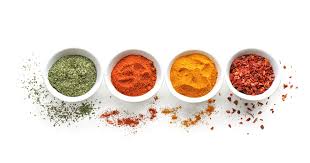
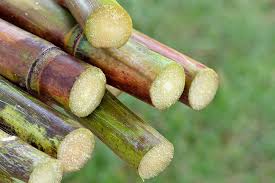 A traditional alcoholic beverage made from fermented fruit, cane sugar, spices and water. Lokoto is a spirit much loved by the Congolese, particularly in the Democratic Republic of Congo, where it is an integral part of the country’s folklore. As promised, we will spare you any unpleasant surprises and other incidents. Please note that the alcohol content varies and can exceed 50%.
Lungwila
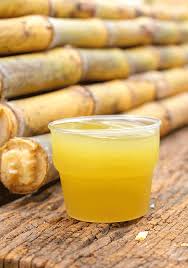 Made from fermented cane sugar and sugars, Lungwila is another traditional Congolese drink. Often confused with palm wine, it is sweeter and less fruity than the latter. If you want to try it, be aware that it has a low alcohol content. It is drunk at room temperature and is reputed to be an energising alcohol. Lungwila is also the title of a novel by Simon Mbaki Mazakala. The drink is consumed in both the Democratic Republic of Congo and Congo Brazzaville.
Agené
 A drink made from corn, fermented cassava and other local roots. Agené can be found on the streets of Kinshasa, where it is consumed as a fortifying cocktail. However, its alcohol content is very unpredictable. If you are intolerant to roots due to linamarin (a source of cyanide in cassava) or other substances such as alkaloids or ragwort, we advise against drinking this beverage. It should be noted that its consumption has been banned for some time now, but you can still find Agené retailers in the centre of Kinshasa.
Bissap
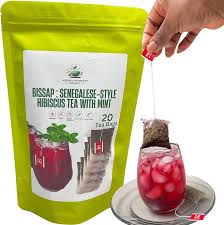
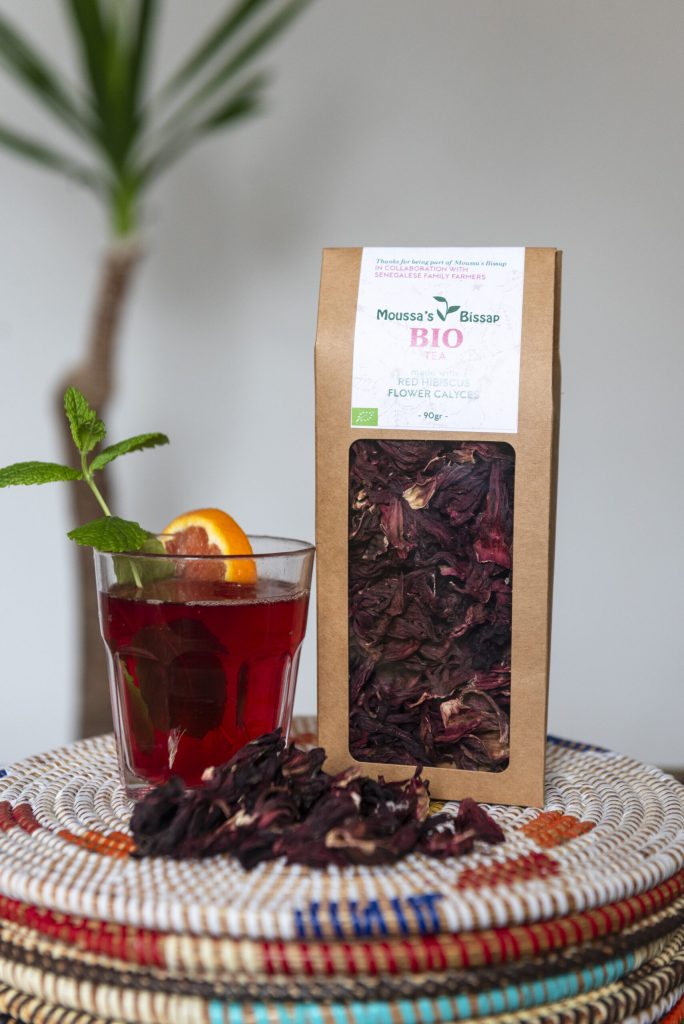 A drink we recommend you try if you want to immerse yourself fully in your destination: bissap is a tea made from dried hibiscus sabdariffa flowers, mint leaves, ginger, orange blossom and spices. It is an antioxidant drink par excellence, with benefits that include burning cholesterol. You can buy the drink ready-made and sterilised in bottles from brands such as Jambo. If you want to enjoy the drink in a more traditional way, you can buy hibiscus sabdariffa leaves at the market or in supermarkets and make your own traditional bissap tea.
Bulukutu
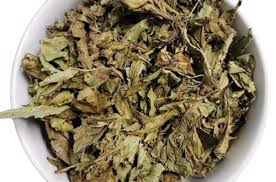 The second tea on the list, bulukutu or savannah tea, is a famous tea from central Africa. It is harvested in Congo and other sub-Saharan African countries. Its leaves are green in colour and drinking it has many benefits, including relaxation of the body. Its theine concentration is normal, so the herbal tea can be drunk in the morning or evening. This tea is rich in minerals, potassium, magnesium and iron, and you can even buy it in Europe at the pop-up grocery store ‘L’Homme Dé-Lices’ in Rennes, FRANCE.
Munkoyo
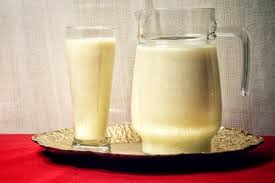 A traditional drink made from corn, sorghum or cassava and the roots of a plant called munkoyo, munkoyo or ibwatu in the south of the DRC is a popular low-alcohol beer. It has a sweet taste with a strong starchy flavour and a pH of around 4. The drink is ready as soon as it has fermented and is mainly found in the province of Katanga. The rapid saccharification of starch in liquid media enabled by the Munkoyo root has long intrigued Westerners and was the subject of research into the microbial diversity and aromatic compounds present in Munkoyo-type beers in 2019.
Tangawisi
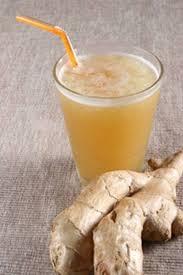 Tangawisi is a local ginger juice consumed in villages and towns throughout the Congo, particularly in the village of Bitanda and the Kaisa region. It is usually mixed with pineapple juice, sugar and lemon. It is sold by the glass in village squares at very affordable prices. It is a thirst-quenching drink that is typical of Congolese villages. If you feel like trying something exotic and unique, we highly recommend a glass of tangawisi.
Mataku
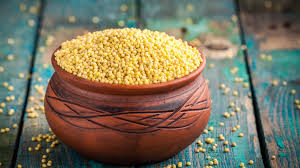 An original drink from the Congo, Mataku is made from fermented dried millet. To make it, the millet is rehydrated, mixed with coconut, dates and ginger, then filtered to obtain the juice. Mataku juice is enjoyed at family gatherings and traditional celebrations. Mataku also refers to a medicinal plant famous for its therapeutic effects, known as ‘Mataku ma bibi’, literally ‘grandmother’s buttocks’ in Swahili. It is a plant from the Sri Lankan spinach family, very popular for treating splenomegaly, prostate hypertrophy, neuralgia, colic and headaches. The drink is consumed as an infusion, and the plant can be found in markets in the Congo. If you are a fan of alternative medicine and natural remedies, you may wish to try this traditional antidote.
Primus, Tembo, Nkoyi: Local beers
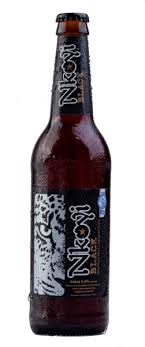
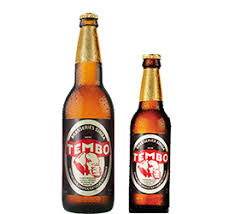
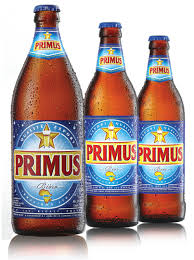 Primus Tembo and Nkoyi are local beer brands that are very popular with young people and working adults. Nkoyi is a lager and stout, Tembo is a stout, and Primus is a lager. Tembo is the historic beer brewed by Simba Brewery, the historic brewery that supplied Europe during the beer shortage of 1922. It is also known as elephant beer because ‘Tembo’ means ‘elephant’ in Swahili.
Another interesting detail about the beer market in Congo is that Primus beer is brewed by Bralima, a subsidiary of the Dutch group Heineken, which is sure to excite beer enthusiasts.
World Cola
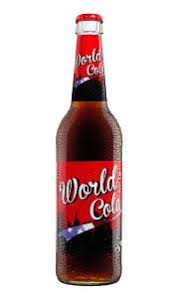 According to our sources, Word Cola is distributed in many African countries. It is the African version of Coca Cola, distributed by the French group Castel and its subsidiaries. In Congo, the drink is very popular with citizens.
TOP and D’Jino
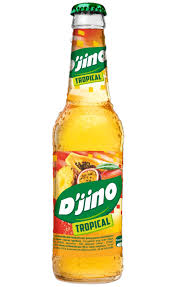
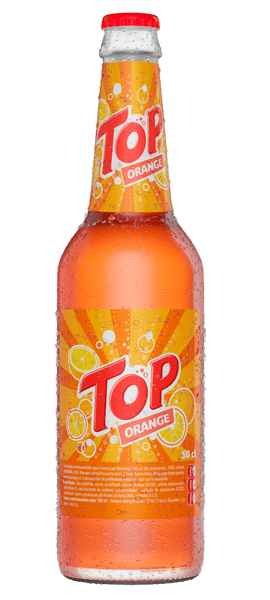 Popular drinks in Africa, D’Jino and TOP are sweet juices with fruity flavours. They are distributed by Bracongo and Bralico in the DRC and Congo-Brazzaville (subsidiaries of the Castel group). These are drinks to try if you are looking for sweet sodas to quench your thirst. What more can we say? These drinks come in a wide range of flavours that will delight your taste buds. Both juices are excellent and will leave you with unique memories of your time in Africa.
Kabisa
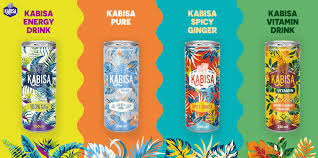 The only energy drink on our list, Kabisa has a very tropical taste and a very cheerful vibe. It is produced by the Mutalo group and is certified Halal. In the DRC, it is young people who drink it the most. It is often consumed in nightclubs or while travelling. Its aesthetic and unique appeal make it a drink that we recommend.