How Congo looks like Brazil
The Congo is a country that cherishes culture, reading, music and nature. It feels almost like one giant festival; from the neighbourhoods of Matonge to Bandalungwa (or ‘Bandal’ as the locals call it), you’ll find a festive atmosphere, lively dancing and unrivalled sounds.
The Congo is, without a doubt, a country that pulsates with its own unique flavour and expertise. It is the second-largest country in Africa and a crunchy place to visit. Culturally, the country is rich, with an average age of around 18 amongst its 116 million inhabitants, and is home to 450 ethnic groups and as many associated cultures. Strangely enough, this mix of tribes coexists without major conflict, and music, dance and gastronomy flourish unhindered.
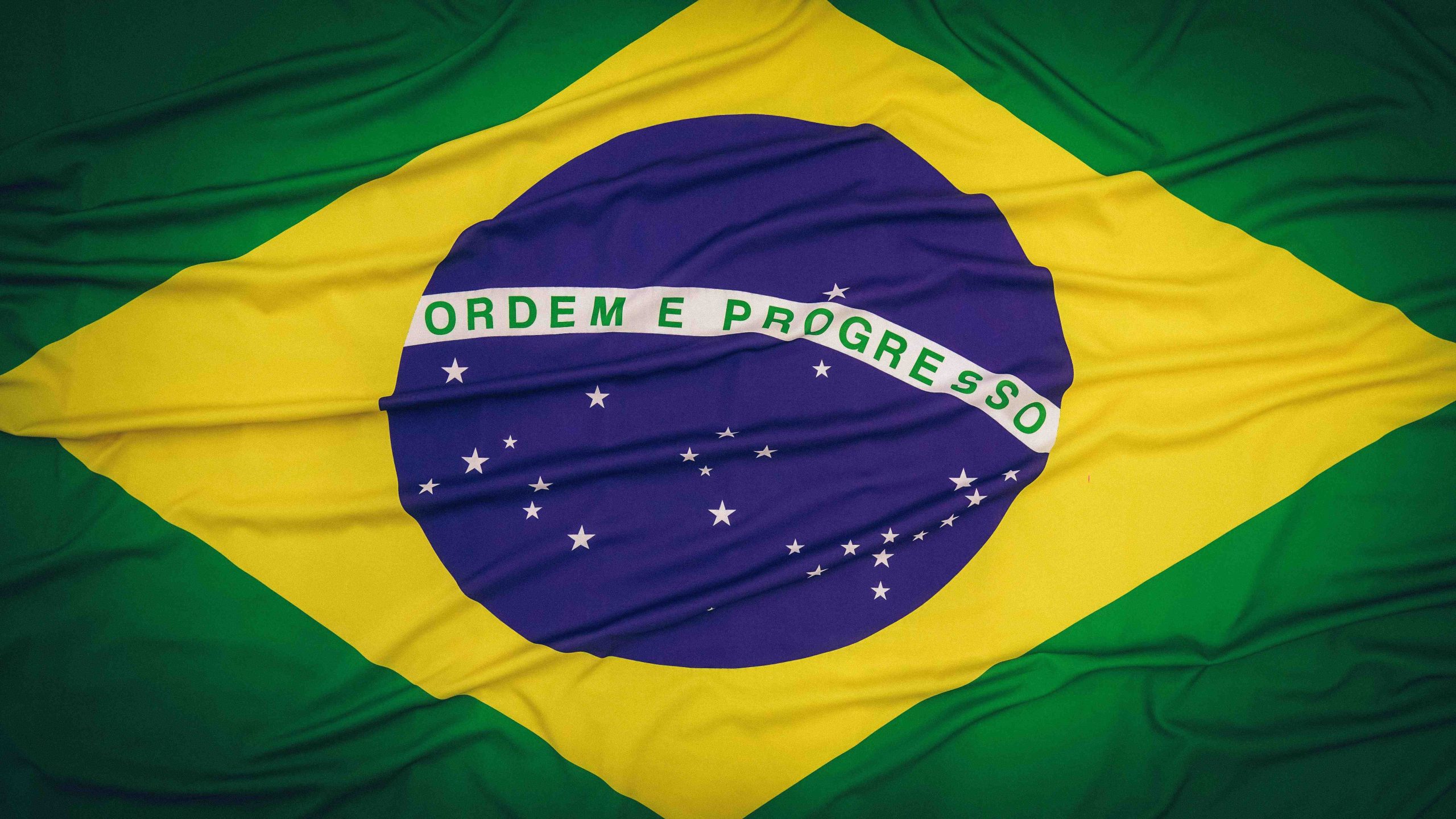
One might think the country moves like a jaguar from the American continent; at a glance, it bears a resemblance to Brazil. Imposing and vibrant, the two countries share many similarities. In this article, we’ll take a look at the similarities between the Congo and Brazil. Let’s get started.
Two vast countries
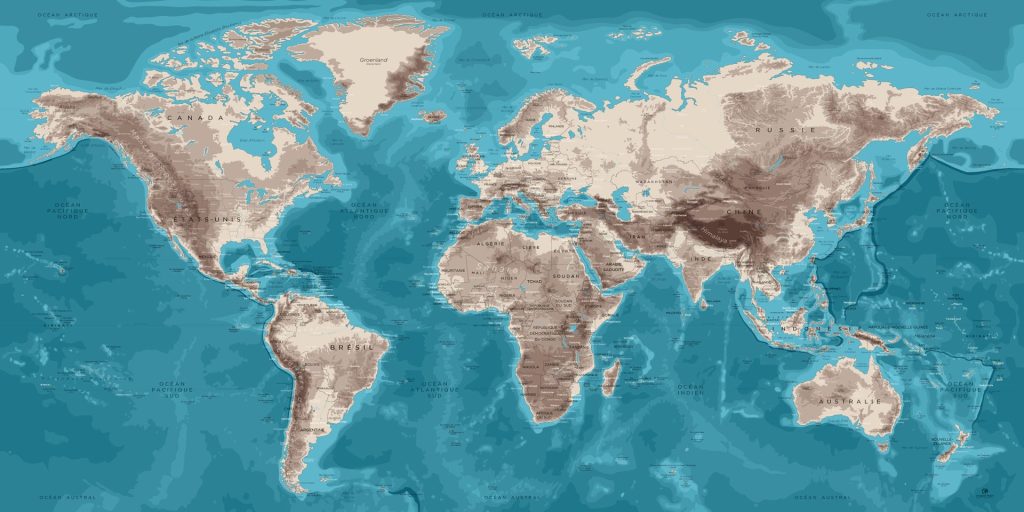 The largest country in Latin America and the second-largest in Africa. Brazil and the Congo are both countries of enormous geographical size. Covering 8,516 km² and 2,345 km² respectively, Brazil and the Congo are major landmasses in their respective regions. Both countries encompass: primary forests, coastal areas, plateaus and basins.
For example, the Brazilian Plateau (Planalto Brasiliano) is one of the most famous plateaus in the world. The Congolese Plateau, such as the Batéké Plateau, is one of the largest plateaus in Central Africa.
Furthermore, the size of both countries concentrates unique and distinctive geographical features specific to each region:
- Brazil is home to the Pantanal, the world’s largest wetland system. –
- The Congo, for its part, has the Rift Valley, a unique geographical area comprising the Great Lakes of Tanganyika and Kivu, the active volcanoes Nyiragongo and Nyamuragira, and finally Mount Stanley.
As well, both countries are areas with lush vegetation, which is another similarity. Each country is home to rare, unique woods that are a source of pride for the inhabitants.
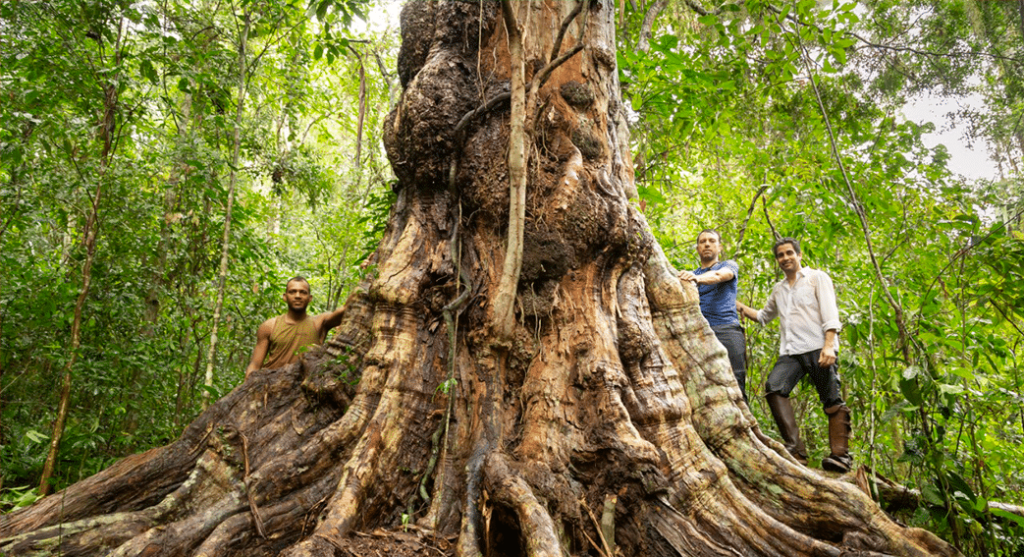
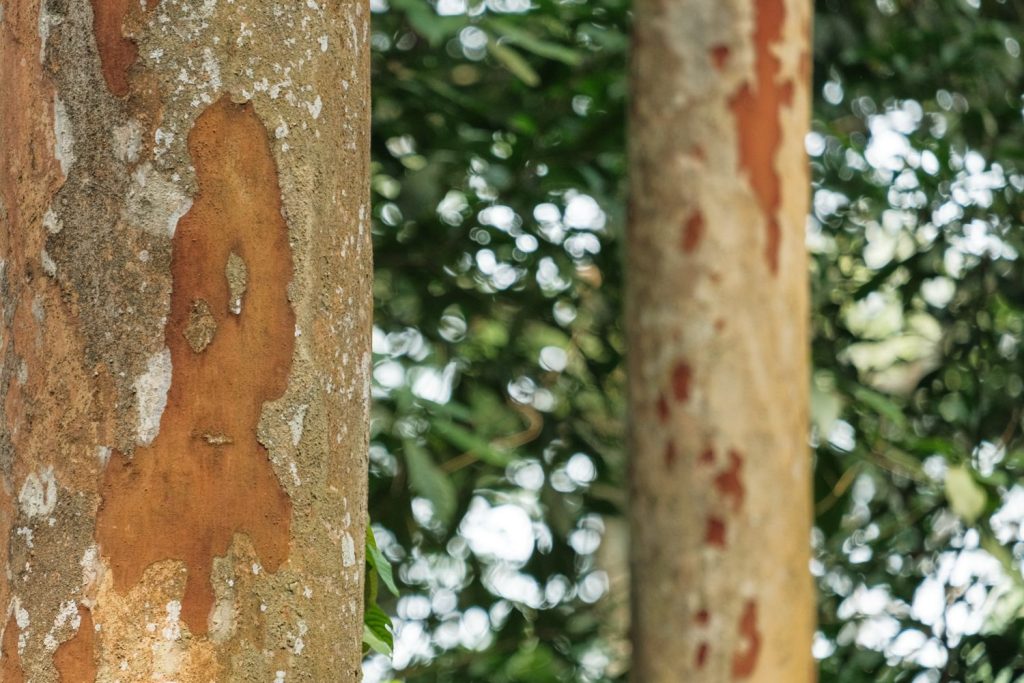
Brazilwood, the tree for which Brazil is named, was once found throughout the country’s forests. The tree is now rare and is sought after for its strength and red pigment.
Afrormosia, also known as Pericopsis elata, is a tree that once dotted the forests of the Congo. The tree is now protected, as it was highly sought after in the past for the quality of its wood.
Thus, the two geographical areas are both distinguished by their size and by the type of resources they contain.
Soils rich in precious stones
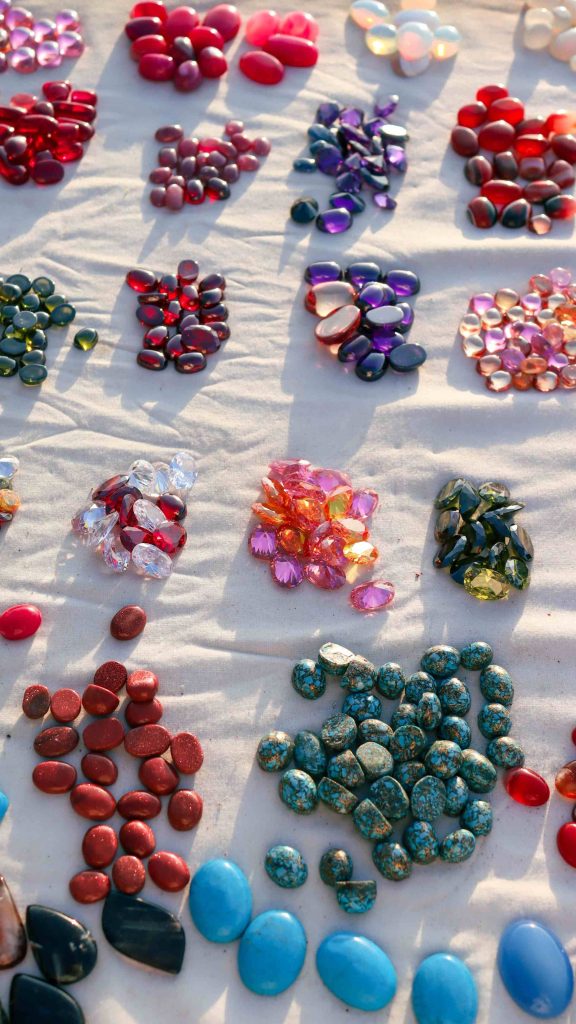 It is common knowledge that the Congo is a truly exceptional geological treasure trove. It is home to everything that fetches a high price and is easily processed. Tin (cassiterite), wolframite, diamonds, gold, lithium, tantalum and other high-quality minerals are found in Congolese soil.
Similarly, in Brazil, numerous precious minerals are produced by the Brazilian soil. Gold, bauxite (used to produce aluminium), iron and niobium are found in abundance in Brazilian soil.
Both countries enjoy an international reputation for mineral production; Brazil is the world’s second-largest iron producer, and the Congo is the world’s third-largest diamond producer.
Historically, both populations have a strong tradition of working in the mining sector. Both countries are home to industrially organised mines and the famous ‘open-cast mines’. These are typical of the rural countryside and provinces of both countries.
Overall, rare minerals play a significant role in the lives of both nations. Indeed, they contribute to population migration and are also a cause of significant environmental changes.
In both countries, gold is one of the minerals that stirs the most emotion.
Countries that love music
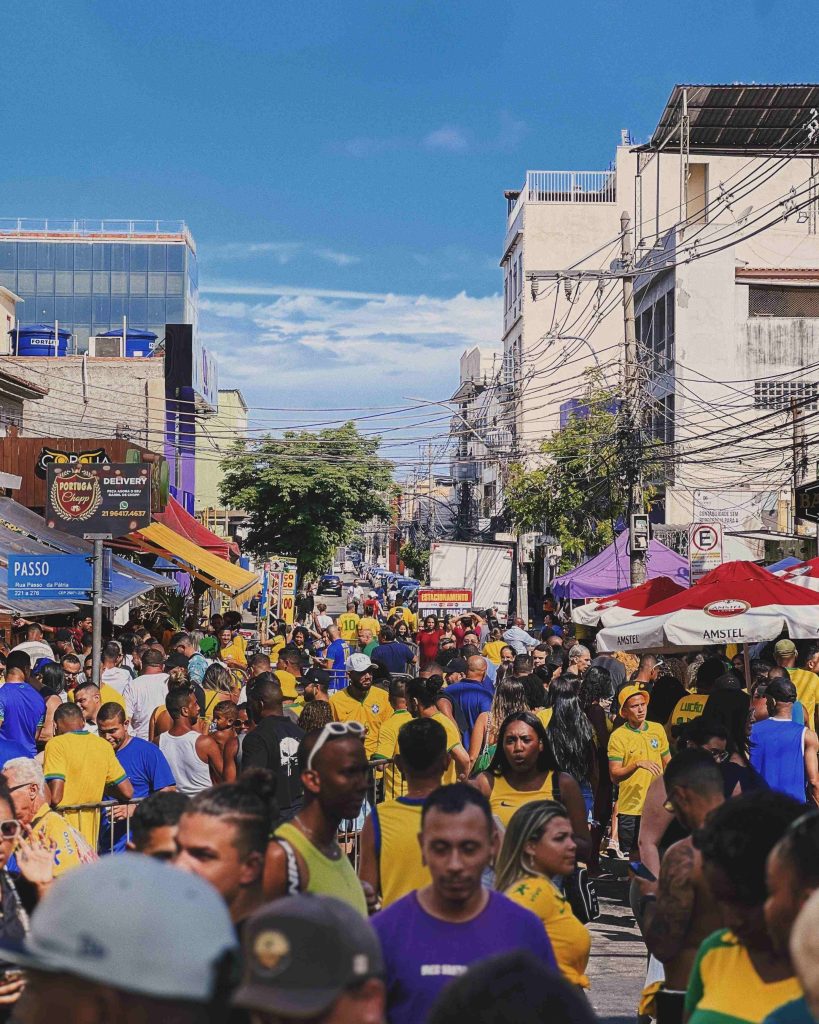 In the Congo, as in Brazil, life is expressed through song. Indeed, both countries are the birthplace of many musical genres and have strong communities that promote them:
In the DRC, musical styles such as Congolese Rumba were invented. This genre is a blend of Latin American and Cuban melodies with an African vibe, which is very rhythmic and danceable. Many artists, such as Grand Kallé, Luambo Makiadi and Tabu Ley Rochereau, are key figures in this musical style.
Furthermore, the famous Ndomobolo, an older genre that was hugely popular in the 1990s, originated in the DRC. The genre has been exported to many countries and has got entire generations dancing. It is a highly rhythmic style of music with a significant vocal component featuring bass and percussion sounds.
Furthermore, Afrobeat is another very popular and contemporary genre from the Congo. It is a genre that blends electronic music with African pop and is very popular among young people. It is generally performed by young artists. It is widely played in nightclubs and is a major part of the city’s nightlife; the style is hugely popular and is the most appreciated in the Congo.
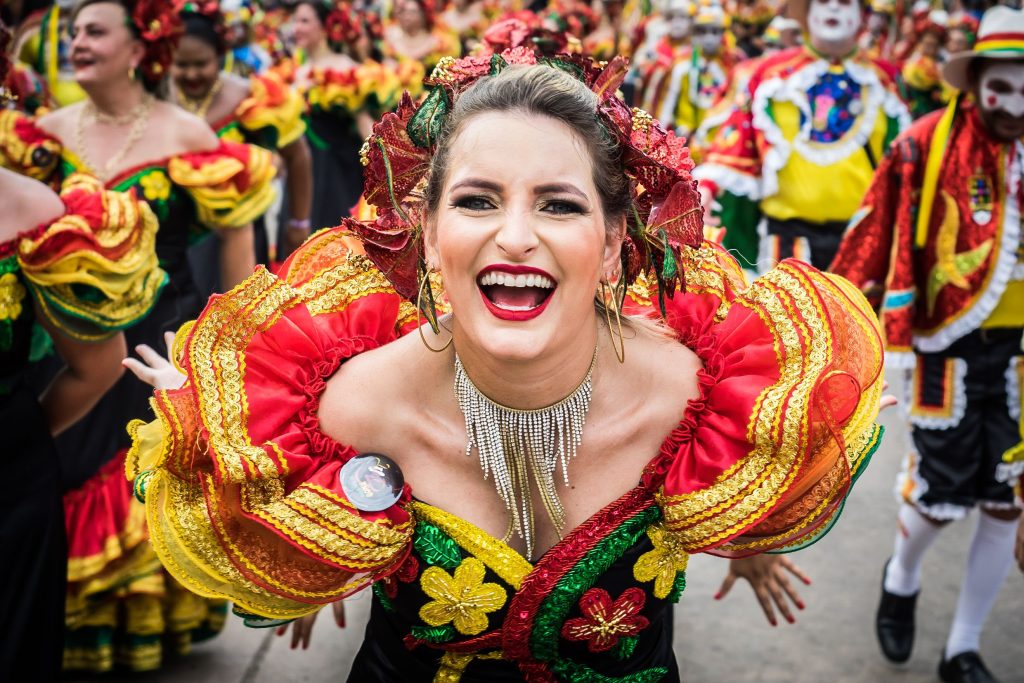 In Brazil, it comes as no surprise that Brazilian samba is the most popular genre of music; it is known throughout the world and is something of a timeless classic. It is enjoyed just as much at major celebrations as it is for livening up the atmosphere in the neighbourhood.
Aside from this style of music, you can also hear sertaneja in Brazil. It is a less upbeat style of music that bears some resemblance to North American country music. It is very popular with young professionals and artists.
In Brazil, people also listen to Forró, a dance music that resembles latino pop.
In both countries, music plays an important role, celebrated at festivals such as the World Music and Tourism Festival in Kinshasa, Congo. In Brazil, music is enjoyed during the country’s famous festivals.
Two countries where culture plays a significant role
In both Brazil and the Congo, people enjoy fine food, fashion, celebrations and socialising. Both countries have a strong appetite for social life. In the Congo, as in Brazil, people like to see others and be seen. As a result, both countries share a strong attraction to venues for celebrations and events of all kinds. Good manners are also an important part of everyday life, and it is important to be mindful of ‘what people will say’ on a daily basis.
Culture is more than just a bond between people; it is a way of life and a significant visual experience.