The European faces that shaped the Comoros
A former French colony, the Comoros archipelago was a necessary stopover on the way to the East Indies. In addition, the archipelago’s geographical location offers excellent protection from the winds for ships entering its waters, and the depth of the water and sea currents are very favorable for mooring ships. For these reasons, the islands opened up to trade in the 8th century, exchanging goods from the Persian Gulf. Over the years, spices, cotton, glass, porcelain, and iron were traded in the Comoros. True to this commercial tradition, in 2024 the country joined the World Trade Organization with a view to modernizing, standardizing, and diversifying its historic trade. Between the arrival of its first merchants in the 8th century and the present day, the archipelago has seen many faces and personalities come and go. In this article, we look back at the faces that have shaped the Comoros.
Vasco da Gama
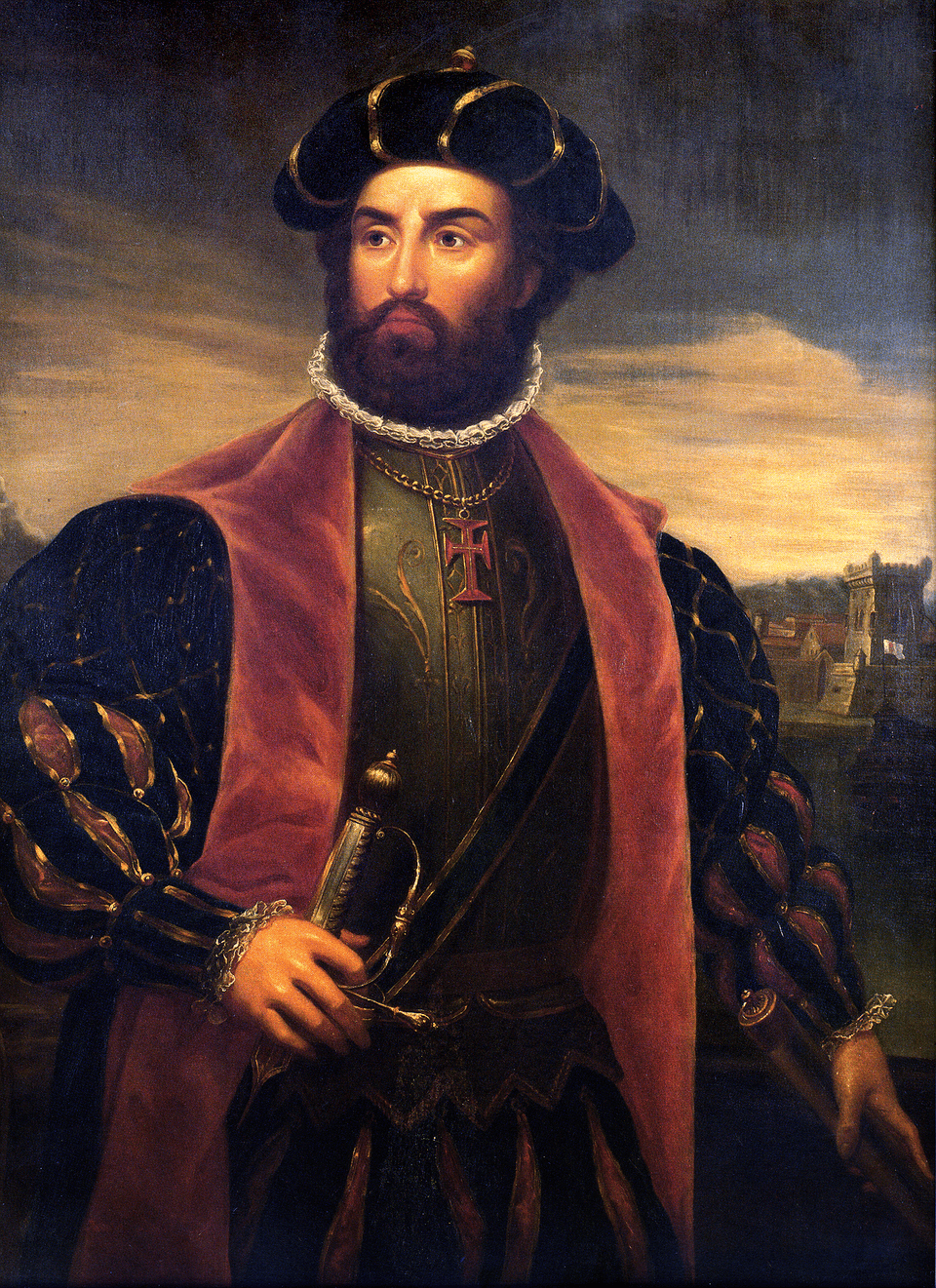
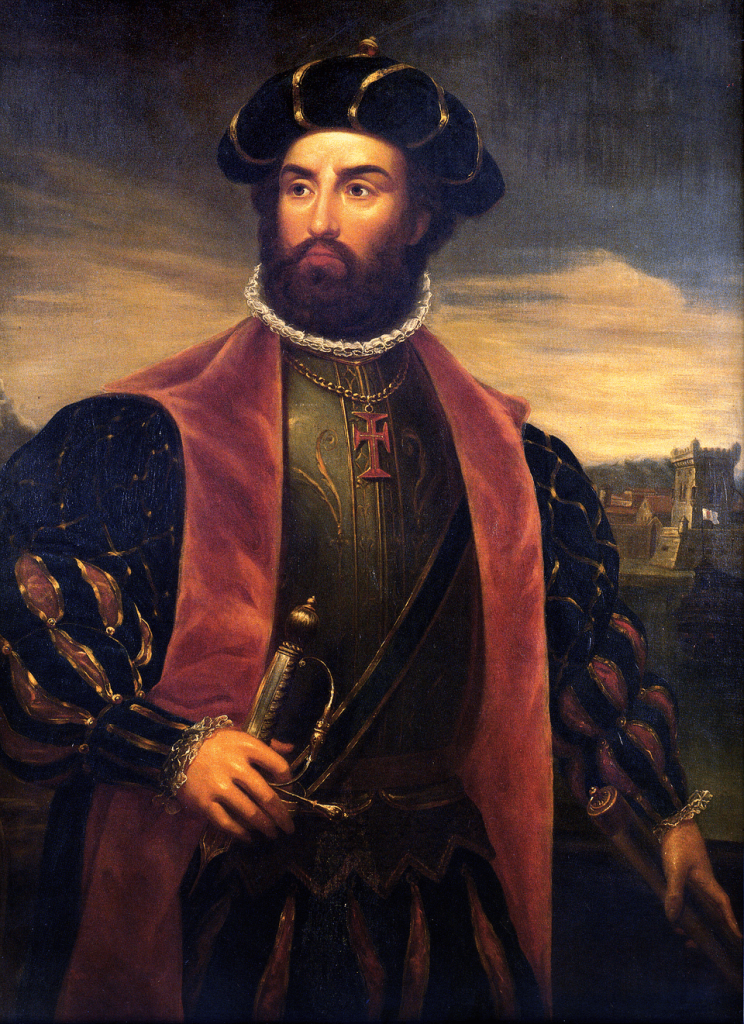 A Portuguese explorer who charted the route to India by circumnavigating Africa, Vasco da Gama was one of the first Europeans to explore the Comoros region. In 1458, he set sail at the head of a Portuguese fleet to explore the entire region and discovered the Comoros archipelago. This discovery was followed by a Portuguese settlement from 1500 to 1505, a short occupation of Comorian territory that forced the historical occupants to change their place of residence.
Vasco da Gama was a great European navigator and is considered to be the first person to reach India by sea, via the Cape of Good Hope and the Indian Ocean. He was born in Sines to a family of minor nobility. He was devoted to John II of Portugal, who entrusted him with missions that he carried out efficiently and quickly. He made three voyages to India, a territory that made him “Admiral of the Indies” after his first voyage.
Brother of Parmentier
In 1529, Parmentier visited the Comoros archipelago and part of Madagascar. The Parmentiers were two brothers, Jean and Raoul, of French nationality who were explorers and traders: they were among the first Frenchmen to cross the Cape of Good Hope in southern South Africa, and were the first Frenchmen to trade in pepper, nutmeg, and cloves without a Portuguese intermediary. Jean was born in 1494 and, in addition to being a navigator, was also a poet. Raoul was born in 1499 and was the younger of the two brothers. The brothers sailed on two separate ships but remained very close during their voyage. Jean died of scurvy on December 3, 1529, and Raoul died five days later on December 8, 1529.
Louis-Philippe I
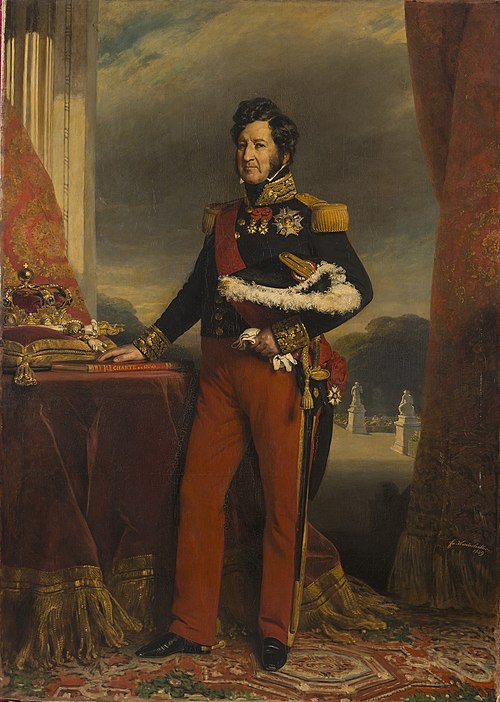 King of France from 1830 to 1848, Louis Philippe I was the royal figure who incorporated part of the Comoros, namely Mayotte, into the Kingdom of France. Louis Philippe I is known for:
- Belonging to the secondary branch of the Bourbons.
- Being pro-revolutionary, a doctrine he inherited from his governess Madame Genlis.
- being the first Frenchman to reach the North Cape in Norway, where he sent his bronze bust.
- wanting to be a king who listened to his people, like a “citizen king.”
- having been a college professor in Switzerland after the failure of his political career.
- having participated in numerous battles, including the Battle of Valmy, the Revolutionary Wars, and the Napoleonic Wars.
Léon Humblot
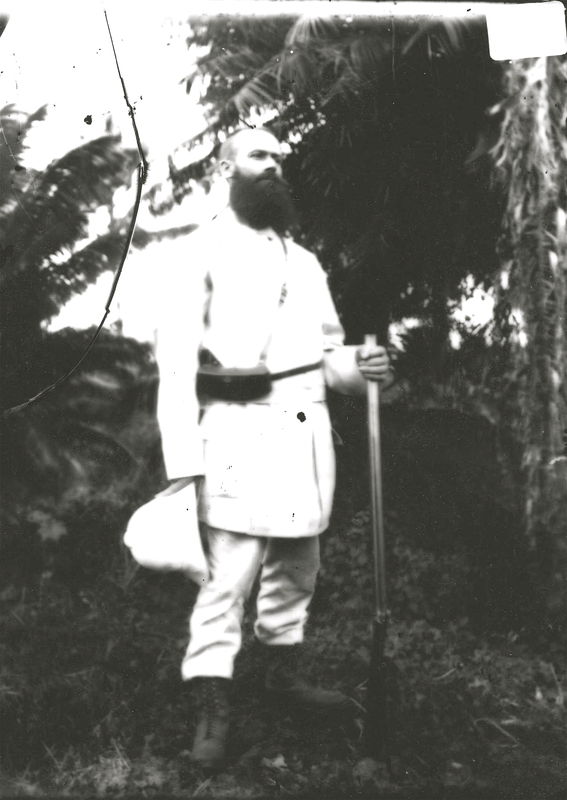 French, born on 3 June 1852 in Nancy, Léon Joseph Henry Humblot was the youngest son of a market gardener from Place d’Alliance in Nancy.
He was a botanist from the Natural History Museum in Paris. He was first sent to Madagascar to research orchids. His mission was so successful that he was sent to the Comoros for three years after his return to France in 1883.
Two years after his arrival on the Comoros islands, he signed a treaty with Sultan Bambao, ending local sultanate wars and granting him rights to Comorian agricultural land. In 1886, France established colonial rule over the Comoros archipelago. In 1889, Léon Humblot set up a colonial company and verticalised agricultural crops. From this period onwards, he was nicknamed the “white sultan”, and in the same year he became resident and sultan of the island.
Valéry Giscard d’Estaing
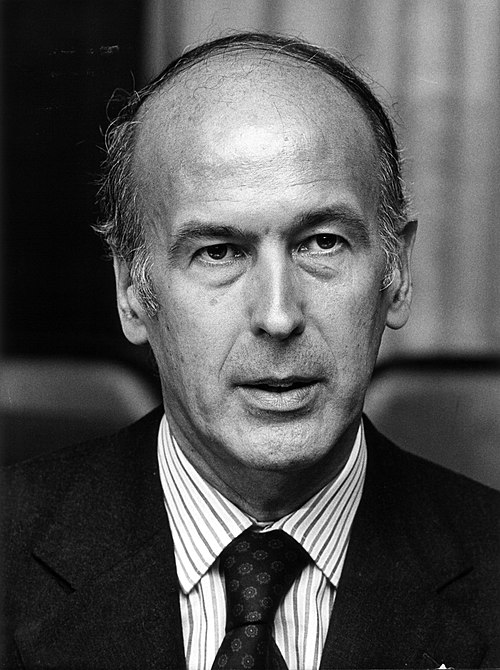 President of France from May 1974 to May 1981, Valéry Giscard d’Estaing was the French president under whom the Comoros archipelago gained its independence. Ahmed Abdallah Abderamane proclaimed the independence of the Comoros archipelago and became the first president of the Comorian islands.
Jacques Chirac
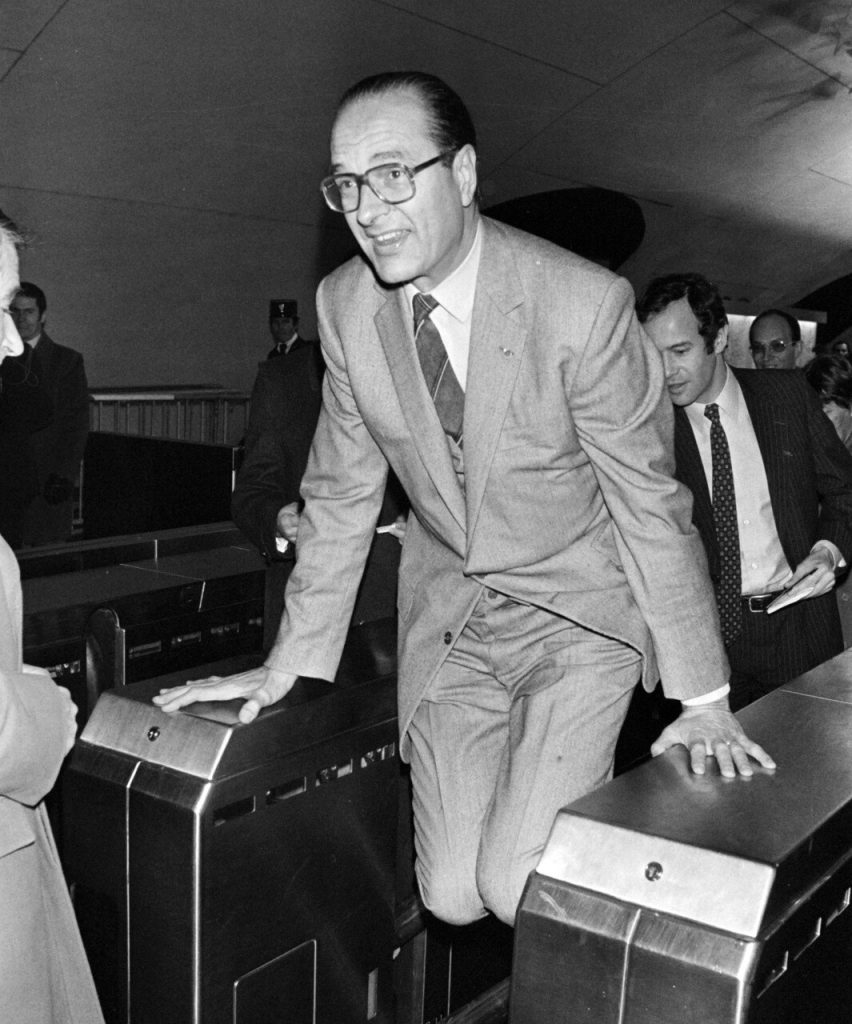 Prime Minister at the time of the Comoros Islands’ independence, Jacques Chirac is a very popular figure in the Comoros. According to popular folklore, he was the politician who wanted the island of Mayotte, historically attached to the Comoros archipelago, to remain French territory. In fact, 64% of Mayotte voted in favour of retaining its status as French territory.